Skin Diseases

Understanding Skin Allergies: Causes, Symptoms & Treatments

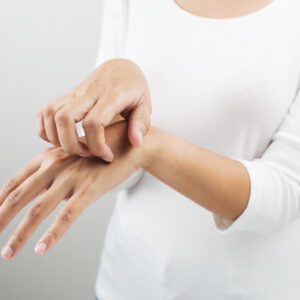
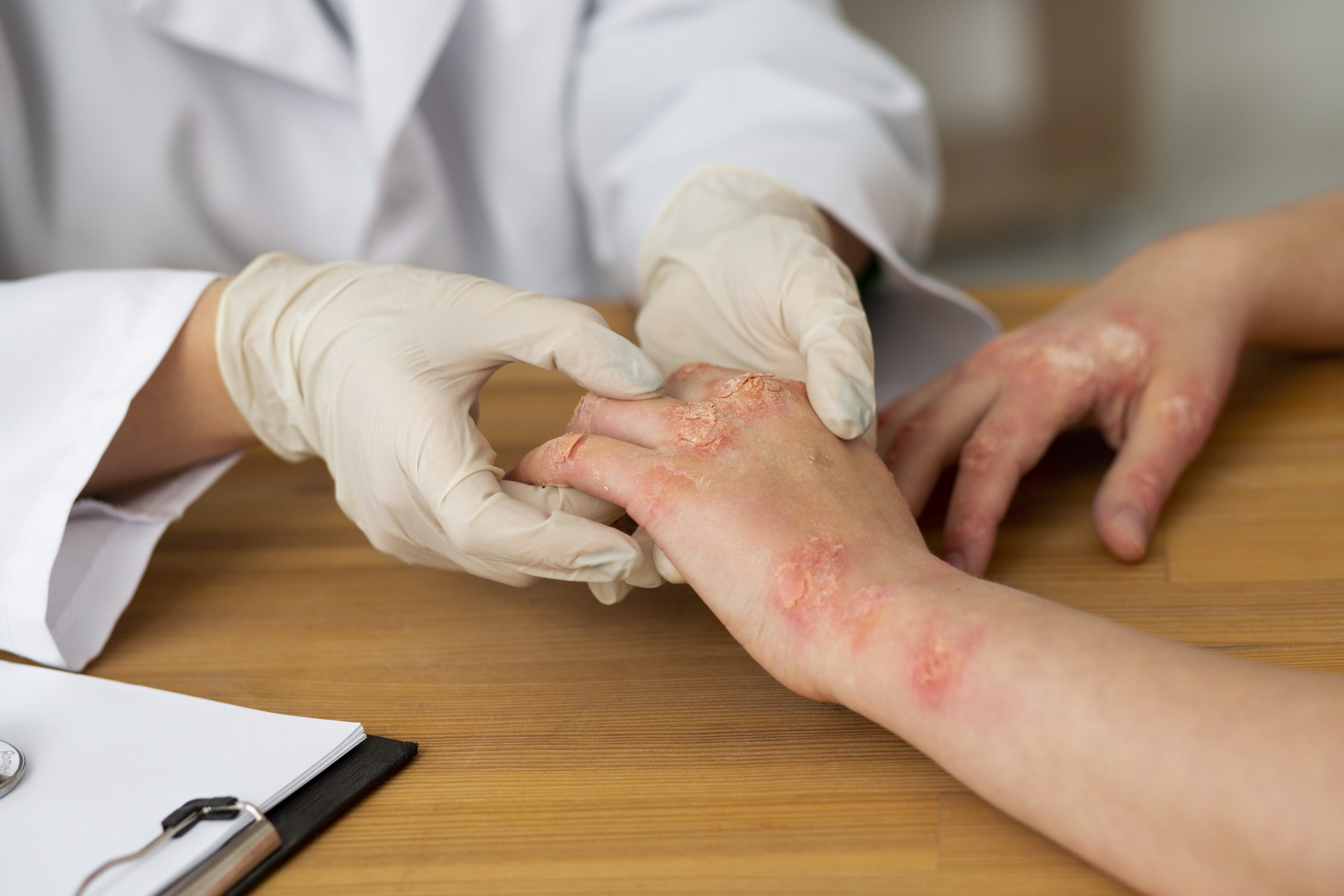
Millions of people throughout the world have skin allergies that cause painful symptoms that can make daily life very difficult. When your immune system thinks something is harmful and overreacts to it, it can cause allergic reactions that show up on your skin in different ways.

What Are Skin Allergies?

When your immune system generates antibodies to fight off things it thinks are threats, such as allergens, you get skin allergies. This immunological response makes your skin red, itchy, and inflamed, among other things that are not pleasant. It’s like your body is overprotective of things that aren’t harmful.

Common Types of Skin Allergies

Contact Dermatitis

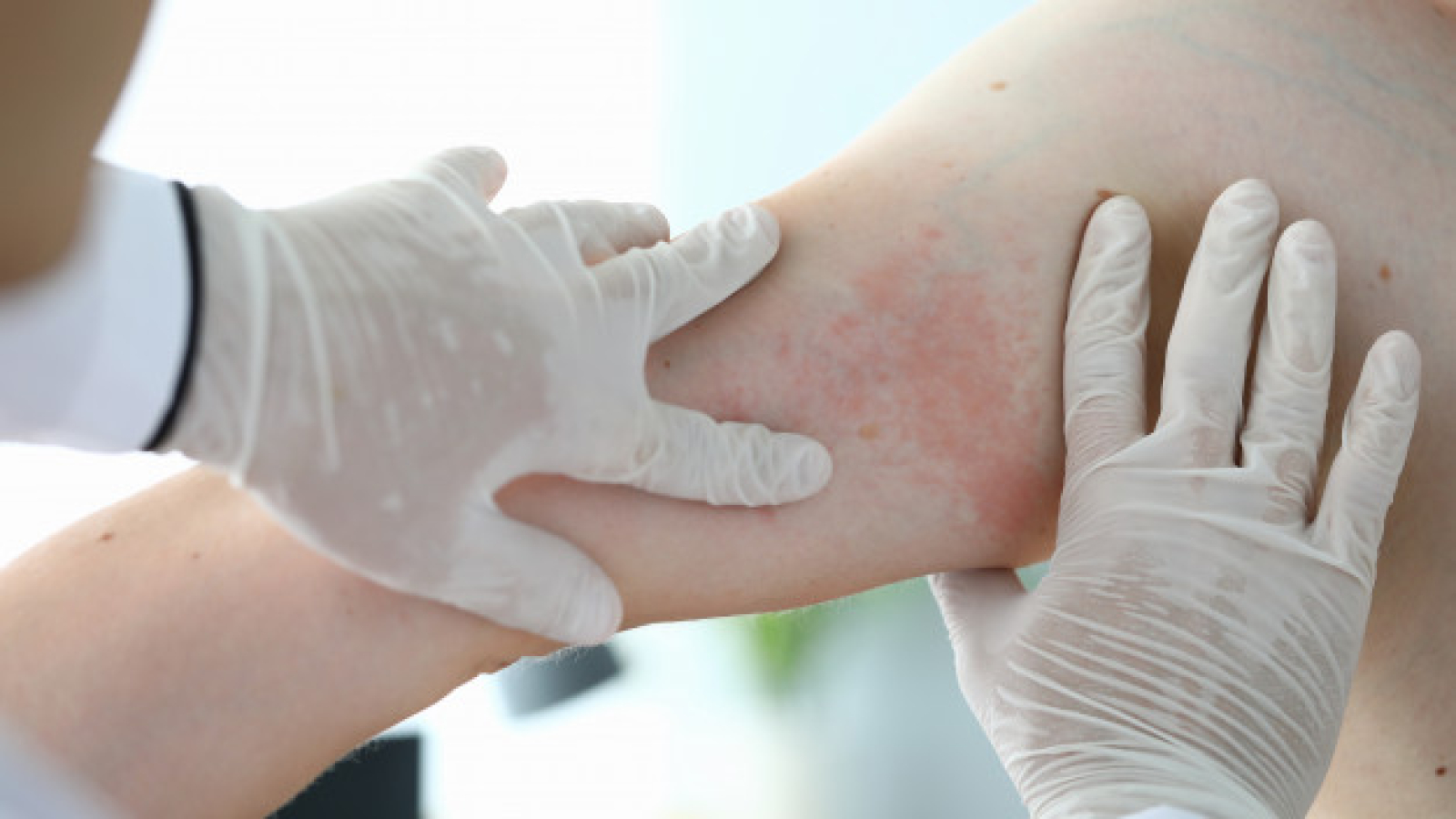
Contact dermatitis happens when your skin comes into close contact with an allergen. It usually shows up 1 to 3 days after being exposed. You may see swelling and redness around the region where you made contact. Blisters and cracks often come after that, accompanied by burning feelings and patches that look like scales.

Hives (Urticaria)

Hives are raised, itchy bumps that can show up anywhere on your body. These red lumps normally show up rapidly and go away in a few hours or days. You probably have hives if you’ve ever had red bumps that showed up after eating something new. In severe situations, it can make it hard to breathe and make the throat enlarge.

Eczema (Atopic Dermatitis)

About 30% of people have eczema, which is a long-term allergic disorder. It usually starts in childhood and causes dry, scaly skin that itches a lot. The frequent scratching makes the skin red and inflamed, and over time, it gets thicker. Skin Diseases

Angioedema

Angioedema makes soft tissues enlarge, especially around the eyes, lips, and mouth. This condition can happen with or without hives and could be a sign of a significant allergic reaction. The swelling can be very big and scary.

Primary Causes of Skin Allergies

Environmental Triggers

Urushiol oil is found in poison ivy, oak, and sumac, and it makes most people very sick. Pollen and other particles in the air can cause seasonal allergies that hurt your skin. Pet dander can make your skin itchy all the time. Dust mites that live in your mattress and furniture are a typical problem in homes.

Chemical Allergens

Nickel is in a lot of things, such as jewellery, belts, and metal things. A lot of people become sensitive to nickel without knowing it. Latex or rubber in gloves, balloons, and other stretchy things might cause reactions. Surprisingly, scents in cleaning products, detergents, and perfumes are common allergies. Preservatives like parabens and formaldehyde releasers keep things fresh, but they can also make skin sensitive.

Clothing and Fabric Reactions

That rash might be coming from your favourite garment. Dyes, chemicals used to prepare fabric, or the fibres themselves, can cause clothing allergies. Symptoms usually show up on places where clothing rubs against the skin the most. Before you wear new clothes, always wash them.

Medication-Induced Reactions

Even drugs that are supposed to assist can make things worse. Bacitracin and neomycin are two typical topical antibiotics that can cause problems. Painkillers like benzocaine and hydrocortisone can make things worse. Chemical UV filters in some sunscreens can occasionally trigger the very reactions they are supposed to stop.

Recognising Skin Allergy Symptoms

Immediate Symptoms

When something is wrong, your skin talks quickly. First, there is redness and swelling, and then there is itching and burning. The swelling and welts grow quickly. Bumps or blisters signal that the reaction is worse.

Delayed Symptoms

Some reactions take a while to happen. Over the course of days or weeks, dry, scaly patches appear. Chronic inflammation causes the skin to thicken. If something is oozing or crusting, it could be a sign of a secondary infection. If you have an itch that won’t go away, you need to see a doctor.

Warning Signs Requiring Medical Attention

Some signs need medical attention right away:
  • A rash that covers a lot of skin on the body
  • Fever with skin responses
  • Having trouble breathing or swallowing
  • Severe oedema of the face or throat

Effective Treatment Options

Immediate Care

If you think you’ve come into contact with an allergy, respond quickly. Right away, wash the affected area with soap and water. Use cool compresses to help with itching and swelling. This easy measure can stop minor responses from getting worse.

Over-the-Counter Treatments

There are a lot of beneficial things your local pharmacy can do for you. Antihistamines work well to stop itching and swelling. Hydrocortisone cream helps with inflammation. Calamine lotion is a drying and soothing agent. Muesli baths are good for your skin.

Prescription Treatments

When reactions are very bad, tougher action is needed. Topical steroids are very good at reducing inflammation. Corticosteroids taken by mouth regulate inflammation throughout the body. Epinephrine, which can be injected, is used to treat anaphylaxis in an emergency. Your doctor will decide how much treatment you need.

Professional Testing

Allergy patch testing can help find the exact things that cause your allergies. You put small amounts of possible allergens on your skin and watch for reactions over a few days. The tests can finally tell you what you’re allergic to.

Prevention Strategies

Allergen Avoidance

Your best defence is knowledge. Before you buy something, read the labels carefully. Take the chemicals out of new clothes by washing them before you wear them when you can, pick hypoallergenic products. Keep the places where you live clean and free of dust.

Protective Measures

A few simple steps can make a significant difference. When working with chemicals or cleaning materials, put on gloves. Use barrier creams before you might be exposed. Pick natural fabrics like cotton instead of synthetic ones. First, try out new products on small patches of skin.

Lifestyle Modifications

Managing stress is an unexpected way to keep allergies from happening. Taking care of your skin properly keeps its natural barrier strong. Keeping clean keeps you from getting secondary infections. These modifications to your lifestyle can make reactions happen less often and less severely.

When to Seek Professional Help

Don’t keep your pain to yourself. If home treatment doesn’t help, talk to a doctor or nurse. Repeated allergic reactions point to underlying sensitisation. A professional should look at severe symptoms that make it hard to do daily tasks. If you aren’t sure what an allergy is, you need to have it tested by an expert.

Conclusion:

Knowing about skin allergies might help you deal with symptoms and stop them from happening again. You can keep your skin healthy and comfortable by figuring out what makes it flare up and following the right treatment steps. If you have ongoing or severe allergic reactions, see a competent Dermatologist at Cleo Clinical Care who can create a personalised treatment plan and do expert allergy testing to help you get your skin in the best shape possible. For gentle, allergy-friendly skincare products specifically formulated for sensitive skin, The Skin Theory offers carefully curated solutions that minimise irritation while nourishing your skin.

FAQ’s:

Q: How long do skin allergies usually last?

Most symptoms go away in a few days to weeks, depending on the allergen and how bad the exposure was.

Q: Can adults suddenly get skin allergies?

Yes, you can get new allergies at any age, especially if you are exposed to certain things over and over again.

Q: Can skin allergies spread from person to person?

No, allergic reactions are immunological responses; thus, they can’t pass from one person to another.

Q: Does stress make skin allergies worse?

Yes, stress can make eczema worse or start it, and it can also make people more sensitive to allergies.

Q: If my skin is sensitive, should I stay away from all skincare products?

No, pick items that are gentle and don’t have a scent. You might also want to talk to professionals about what skin care products are best for you.
vitiligo-skin-disease-on-male-hands-2025-02-09-20-13-28-utc_11zon

Understanding Vitiligo: A Complete Guide

Introduction

Vitiligo affects millions of people worldwide. It creates white patches on the skin. These patches can appear anywhere on the body. Many people feel worried when they first notice these white spots.

You are not alone if you have vitiligo. About 1 in 100 people have this condition. It can happen to anyone at any age. Men and women get it equally. All skin colors can be affected.

This guide will help you understand vitiligo better. You will learn about causes, treatments, and how to live well with this condition. Knowledge is power when dealing with any skin issue.

What is Vitiligo?

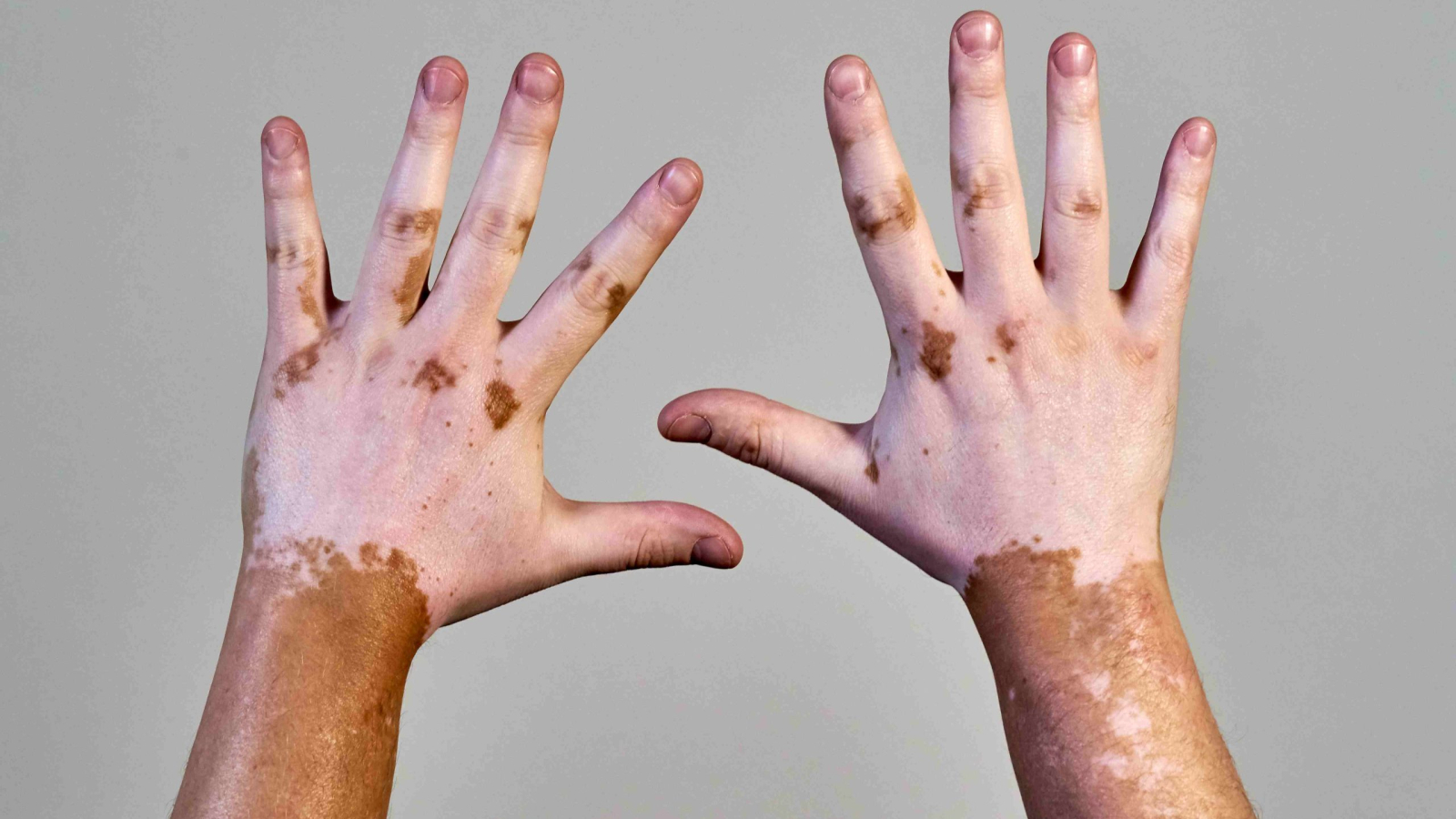
Vitiligo is a skin condition that makes white patches appear. These patches have no color because the skin cells that make color stop working. The cells that make color are called melanocytes.

The white patches can be small or large. They can be round or have odd shapes. Some people have just a few patches. Others have many patches all over their body.

Vitiligo is not contagious. You cannot catch it from someone else. You cannot spread it to other people. It is not caused by poor hygiene or diet.

The condition affects the skin’s appearance only. It does not hurt or itch in most cases. The white patches feel the same as normal skin. They just look different.

Types of Vitiligo

There are two main types of vitiligo. Each type behaves differently.

Segmental Vitiligo

This type affects only one side of the body. It usually starts in childhood. The patches spread quickly at first. Then they stop growing after a few years.

Segmental vitiligo is less common. It affects about 10% of people with vitiligo. It often affects areas with hair. The hair in these areas may turn white too.

Non-Segmental Vitiligo

This is the most common type. It affects both sides of the body equally. The patches appear in the same places on both sides. This is called symmetrical pattern.

Non-segmental vitiligo can start at any age. It progresses slowly over many years. Sometimes it stops on its own. Other times it keeps spreading.

Most people with vitiligo have this type. It makes up about 90% of all cases.

Causes and Risk Factors

Scientists do not know the exact cause of vitiligo. They think several factors work together to cause it.

Autoimmune Theory

The immune system normally protects the body. But sometimes it attacks healthy cells by mistake. In vitiligo, it attacks the color-making cells.

This is why vitiligo often happens with other autoimmune diseases. These include thyroid problems and diabetes.

Genetic Factors

Vitiligo can run in families. If your parent has vitiligo, you have a higher chance of getting it. But most people with vitiligo have no family history.

About 20% of people with vitiligo have a family member with it. This shows genes play a role. But genes alone do not cause vitiligo.

Environmental Triggers

Certain things can trigger vitiligo in some people. These triggers include:

  • Severe sunburn
  • Stress (emotional or physical)
  • Skin injury or cuts
  • Chemical exposure
  • Severe illness

These triggers do not cause vitiligo directly. They may start the process in people who are already at risk.

Signs and Symptoms

The main sign of vitiligo is white patches on the skin. These patches usually appear gradually. They may start small and grow larger over time.

Early Warning Signs

The first sign is usually a small white spot. It may appear on the hands, feet, or face. The spot has no color at all. It stands out against normal skin.

Some people notice hair turning white in the affected area. This happens because hair color comes from the same cells as skin color.

Common Locations

Vitiligo patches often appear in these areas:

  • Around the mouth and eyes
  • Hands and fingers
  • Feet and toes
  • Underarms
  • Groin area
  • Areas that rub against clothing

The patches may appear in places that get sun exposure. They also appear in areas that experience friction.

Skin Diseases

Progression Patterns

Vitiligo progresses differently in each person. Some people have slow, steady growth. Others have periods of fast growth followed by stable periods.

Stress can make vitiligo spread faster. Sun exposure may also trigger new patches. Skin injuries can cause new patches to form in that area.

Diagnosis

Only a doctor can diagnose vitiligo properly. At Cleo Clinical Care in Gulberg, Lahore, our expert dermatologist uses several methods to diagnose vitiligo.

Medical Examination

The doctor will examine your skin carefully. They will look at the shape, size, and location of white patches. They will also ask about your medical history.

The doctor may ask about the family history of vitiligo. They will want to know when you first noticed the patches. They will ask if anything triggered the start of vitiligo.

Special Tests

Sometimes the doctor uses a special lamp called a Wood’s lamp. This lamp makes vitiligo patches glow under UV light. It helps the doctor see patches that are not visible in normal light.

Blood tests may be done to check for other autoimmune diseases. These tests are not needed to diagnose vitiligo. But they help check your overall health.

Ruling Out Other Conditions

Some other skin conditions look like vitiligo. The doctor needs to make sure you have vitiligo and not something else. This is called differential diagnosis.

Conditions that may look like vitiligo include:

  • Fungal infections
  • Chemical burns
  • Birthmarks
  • Other pigment disorders

Treatment Options

There is no cure for vitiligo yet. But many treatments can help. The best treatment depends on your type of vitiligo and how much it has spread.

Topical Treatments

These are creams and ointments you put on the skin. They are often the first treatment doctors try.

Steroid Creams: These are the most common first treatment. They help bring back color to many people. But they must be used carefully. Long-term use can cause side effects.

Calcineurin Inhibitor: These are newer creams that work differently than steroids. They are safer for long-term use. They work well on the face and neck.

JAK Inhibitor: These are the newest type of cream. They block signals that cause vitiligo. They show good results in studies.

Light Therapy

Light therapy uses special UV light to treat vitiligo. The light helps color cells grow back. This treatment is done in a doctor’s office.

Narrowband UV-B This is the most common light therapy. You stand in a special booth with UV lights. Treatment is done 2-3 times per week.

Results take time to show. Most people need 3-6 months of treatment. The face and neck respond best to light therapy.

Targeted Phototherapy: This focuses light on specific patches. It is good for small areas. It causes fewer side effects than full-body treatment.

Surgical Options

Surgery may help people with stable vitiligo. The patches must not have changed for at least 6 months. Surgery is not for everyone.

Skin Grafting: The doctor takes healthy skin from another part of your body. They place it over the white patches. This works best for small areas.

Melanocyte Transplantation: The doctor takes color-making cells from healthy skin. They put these cells in the white patches. This is a newer technique.

At Cleo Clinical Care, we carefully evaluate each patient. We choose the best treatment for your specific situation. Our dermatologist has experience with all types of vitiligo treatments.

Management and Lifestyle

Living with vitiligo requires some lifestyle changes. These changes can help protect your skin and improve your quality of life.

Sun Protection

Sun protection is very important for people with vitiligo. White patches have no natural protection from UV rays. They can burn easily.

Always use sunscreen with SPF 30 or higher. Apply it to all exposed skin, including white patches. Reapply every 2 hours when outdoors.

Wear protective clothing when possible. Long sleeves and pants help protect your skin. Wide-brimmed hats protect your face and neck.

At The Skin Theory, we offer high-quality sunscreen products. Our dermatologist-recommended sunscreen provides excellent protection for sensitive skin.

Skin Care Routine

A good skin care routine helps keep your skin healthy. Use gentle, fragrance-free products. Harsh chemicals can irritate the skin.

Cleansing: Use a mild, soap-free cleanser. Avoid scrubbing the skin hard. Pat your skin dry with a soft towel.

Moisturizing: Use a good moisturizer daily. This keeps your skin soft and healthy. It also helps prevent dryness and irritation.

The Skin Theory offers a Hyaluronic Acid Moisturizer. This product helps keep skin hydrated without clogging pores.

Cosmetic Coverage

Many people use makeup to cover white patches. This can help you feel more confident. Choose products made for sensitive skin.

Foundation and Concealer Use a foundation that matches your normal skin tone. Apply concealer to white patches first. Then apply foundation over your entire face.

Self-Tanning Products Some people use self-tanning products to make white patches less visible. Test these products on a small area first.

Psychological and Social Impact

Vitiligo affects more than just your appearance. It can impact your emotions and social life. These feelings are normal and valid.

Common Emotional Challenges

Many people with vitiligo feel self-conscious. They may worry about what others think. Some people feel anxious in social situations.

Depression can happen in people with vitiligo. This is especially true when patches appear on visible areas. Professional help is available if you need it.

Building Confidence

Confidence comes from within. Remember that vitiligo does not define you. You are much more than your skin condition.

Focus on your strengths and talents. Surround yourself with supportive people. Join support groups to meet others with vitiligo.

Dealing with Stares and Comments

Some people may stare or ask questions about your skin. This can be uncomfortable. Prepare simple explanations if you choose to share.

You can say: “I have a condition called vitiligo. It makes white patches on my skin. It’s not contagious or harmful.”

Support for Children

Children with vitiligo need extra support. They may face teasing at school. Talk to your child’s teachers about vitiligo.

Help your child practice explaining their condition. Teach them to be proud of who they are. Consider counseling if they struggle emotionally.

Living with Vitiligo

Many people with vitiligo live full, happy lives. The key is finding what works for you. This includes medical treatment and lifestyle adjustments.

Success Stories

Many famous people have vitiligo. They show that vitiligo does not limit what you can achieve. Model Winnie Harlow has vitiligo and is very successful.

These examples show that vitiligo is just one part of who you are. It does not have to hold you back from your dreams.

Daily Life Tips

Choose clothing that makes you feel confident. Some people prefer to cover affected areas. Others choose to show their skin proudly.

Plan outdoor activities carefully. Always have sunscreen available. Seek shade during peak sun hours (10 AM to 4 PM).

Building Support Networks

Connect with other people who have vitiligo. Online support groups are available. Local support groups may meet in your area.

Family and friends can be great sources of support. Educate them about vitiligo. This helps them understand what you’re going through.

Prevention and Early Intervention

You cannot prevent vitiligo completely. But you can reduce your risk of new patches forming.

Stress Management

Stress can trigger new vitiligo patches. Learn healthy ways to manage stress. This includes exercise, meditation, and relaxation techniques.

Get enough sleep each night. Poor sleep can increase stress levels. Aim for 7-9 hours of sleep per night.

Protecting Your Skin

Avoid skin injuries when possible. Cuts and scrapes can trigger new patches. Be gentle when shaving or grooming.

Use gentle skin care products. Avoid harsh chemicals and fragrances. These can irritate the skin and potentially trigger vitiligo.

When to See a Doctor

See a dermatologist if you notice new white patches. Early treatment often works better than waiting. Don’t delay if patches are spreading quickly.

At Cleo Clinical Care, we offer 24/7 consultation for our clients. Our qualified dermatologist personally handles all cases. We provide a detailed medical history review before choosing treatments.

Latest Research and Treatments

Scientists are always working on new vitiligo treatments. Recent research has led to exciting new options.

New Medications

JAK inhibitors are showing great promise. These drugs work by blocking signals that cause vitiligo. They are available as creams and pills.

New research focuses on preventing vitiligo from starting. This could help people at high risk avoid developing patches.

Future Treatments

Gene therapy may become available in the future. This would fix the genetic problems that lead to vitiligo. But this is still being researched.

Stem cell therapy is another area of research. This could help grow new color-making cells. Early studies show promise.

Clinical Trials

Clinical trials test new treatments. You may be able to join a trial if you meet certain requirements. Ask your doctor about available trials.

Cleo Clinical Care stays updated on the latest research. We can discuss new treatment options as they become available.

Common Myths and Facts

Many myths exist about vitiligo. Let’s separate fact from fiction.

  • Myth: Vitiligo is Contagious

Fact: Vitiligo is not contagious. You cannot catch it from someone else. You cannot spread it to other people.

  • Myth: Poor Diet Causes Vitiligo

Fact: Diet does not cause vitiligo. However, a healthy diet supports overall skin health. Some nutrients may help with treatment.

  • Myth: Vitiligo Only Affects Dark Skin

Fact: Vitiligo affects all skin colors. It may be more noticeable on darker skin. But people of all races can get vitiligo.

  • Myth: Vitiligo Always Spreads

Fact: Vitiligo progression varies greatly. Some people have stable patches that never spread. Others have progressive vitiligo.

  • Myth: There’s No Treatment for Vitiligo

Fact: Many effective treatments exist. While there’s no cure, treatments can restore color. Early treatment often works best.

Nutrition and Supplements

Good nutrition supports overall health. Some nutrients may help with vitiligo treatment.

Helpful Nutrients

  • Vitamin D. Many people with vitiligo have low vitamin D levels. This vitamin helps the immune system. It may also help with repigmentation.
  • Vitamin B12. Some studies show that vitamin B12 may help with vitiligo. It works best when combined with other treatments.
  • Antioxidants help protect cells from damage. Foods rich in antioxidants include berries, vegetables, and nuts.

Foods to Include

Eat a variety of colorful fruits and vegetables. These provide antioxidants and vitamins. Include foods rich in:

  • Vitamin C (citrus fruits, berries)
  • Vitamin E (nuts, seeds)
  • Beta-carotene (carrots, sweet potatoes)

Professional Guidance

Always talk to your doctor before taking supplements. Some supplements can interact with medications. Your doctor can recommend safe options.

At Cleo Clinical Care, we provide complete treatment plans. This includes nutrition guidance along with medical treatments.

When to Seek Professional Help

Professional help is important for managing vitiligo. Don’t try to handle it alone.

Initial Diagnosis

See a dermatologist if you notice white patches on your skin. Early diagnosis is important. Some conditions look like vitiligo but need different treatments.

Treatment Monitoring

Regular check-ups help monitor your progress. Your doctor may need to adjust treatments. They can also watch for side effects.

Emotional Support

Consider counseling if vitiligo affects your mental health. Therapists can help you cope with emotional challenges. Support groups are also helpful.

Emergency Situations

Vitiligo itself is not an emergency. But see a doctor quickly if you have:

  • Sudden rapid spreading of patches
  • Severe skin reactions to treatments
  • Signs of infection in treated areas

Resources and Support

Many resources are available to help you manage vitiligo.

Medical Resources

Cleo Clinical Care, located in Gulberg, Lahore, we are your trusted dermatology clinic. We offer:

  • Expert dermatologist consultation
  • Latest treatment options
  • 24/7 client support
  • Personalized treatment plans

The Skin Theory. Our dermatologist-recommended skincare products include:

  • Gentle cleansers
  • Moisturizers for sensitive skin
  • High-quality sunscreen
  • Specialized treatment products

Online Resources

Many websites provide vitiligo information. Look for sites run by medical organizations. Be careful of sites selling unproven treatments.

Support Groups

Online support groups connect you with others who have vitiligo. Local groups may meet in your area. These groups provide emotional support and practical tips.

Educational Materials

Books and articles about vitiligo can help you learn more. Choose materials written by medical professionals. Avoid sources that make unrealistic promises.

Conclusion

Vitiligo is a manageable condition. With proper treatment and care, most people live normal, happy lives. The key is working with a qualified dermatologist and following a good treatment plan.

Remember that vitiligo does not define you. You are a whole person with many qualities. Your worth is not determined by your appearance.

Stay informed about new treatments. Research is constantly improving options for people with vitiligo. New treatments may become available in the future.

Take care of your overall health. Eat well, exercise regularly, and manage stress. These habits support your skin health and general well-being.

Most importantly, be patient with yourself. Vitiligo treatment takes time. Results don’t happen overnight. Stay positive and keep working with your healthcare team.

If you’re in Lahore and need expert vitiligo care, visit Cleo Clinical Care. Our experienced dermatologist provides personalized treatment plans. We’re here to support you on your journey to better skin health.

Remember, you are not alone in this journey. With the right support and treatment, you can manage vitiligo successfully and live life to the fullest.

For expert vitiligo treatment in Lahore, contact Cleo Clinical Care. Visit our clinic in Gulberg or explore our dermatologist-recommended skincare products at The Skin Theory. We’re committed to helping you achieve healthy, beautiful skin.


Skin Diseases

Autoimmune Skin Diseases: Complete Guide

1. Introduction

Your skin is your body’s largest organ. It protects you from germs and keeps you healthy. Sometimes, your immune system attacks your own skin. This causes Autoimmune skin conditions/diseases.

These conditions happen when your body’s defense system goes wrong. It sees healthy skin cells as enemies. Then it attacks them. This causes rashes, blisters, and other skin problems.

About 50 million Americans have autoimmune diseases. Many of these affect the skin. These conditions can be mild or severe. They can change how you look and feel.

This guide will teach you about these diseases. You will learn about symptoms, treatments, and ways to manage them. Knowledge helps you take better care of your skin.

2. Understanding Autoimmune Mechanisms in Skin Disease

Your immune system normally fights germs and cancer cells. It has special cells called white blood cells. These cells patrol your body looking for threats.

Sometimes this system makes mistakes. It attacks healthy skin cells instead of germs. This is called autoimmunity. “Auto” means self. Your body fights itself.

Your immune system makes antibodies. These are proteins that stick to targets. In autoimmune disease, antibodies stick to your own skin. This causes inflammation and damage.

Several things can trigger autoimmune skin disease. Genes play a big role. Some people are born with higher risk. Stress, infections, and certain drugs can also trigger these conditions.

The skin has its own immune system too. Special cells in your skin help fight infections. When these cells go wrong, they can cause skin-only autoimmune diseases.

3. Classification of Autoimmune Skin Diseases

3.1 Autoimmune Blistering Diseases

Pemphigus Group

Pemphigus causes blisters on the skin and mouth. The blisters are fragile and break easily. This leaves painful sores.

Pemphigus vulgaris is the most common type. It usually starts in the mouth. Then it spreads to other areas. The blisters form deep in the skin.

Pemphigus foliaceus affects the top layer of skin. It causes crusty sores. These often start on the face and chest.

Pemphigus erythematosus looks like lupus at first. It causes red, scaly patches. These usually appear on the face.

Paraneoplastic pemphigus is rare. It happens with certain cancers. The blisters are very severe.

Pemphigoid Group

Bullous pemphigoid causes large, tight blisters. These blisters don’t break easily. They often appear on the arms and legs.

This disease mainly affects older adults. The blisters form deeper than pemphigus. They heal better too.

Cicatricial pemphigoid affects mucous membranes. This includes the mouth, eyes, and throat. It can cause scarring.

Pemphigoid gestationis happens during pregnancy. It causes itchy blisters on the belly. Most women get better after delivery.

Other Blistering Conditions

Dermatitis herpetiformis causes small, itchy blisters. These often appear on elbows and knees. It’s linked to celiac disease.

Linear IgA disease causes blisters in lines. It can affect both children and adults. The blisters often heal without scars.

Epidermolysis bullosa acquisita causes blisters from minor trauma. The skin becomes very fragile. Even a gentle touch can cause blisters.

3.2 Connective Tissue Diseases with Skin Manifestations

Lupus Erythematosus

Systemic lupus erythematosus (SLE) affects many organs. The skin is often involved. The classic sign is a butterfly rash on the face.

This rash spreads across both cheeks. It looks like a butterfly’s wings. Sun exposure makes it worse.

Lupus can cause other skin problems too. These include mouth sores, hair loss, and finger sores. Some people get thick, scaly patches.

Cutaneous lupus affects only the skin. It doesn’t involve other organs. There are several types with different patterns.

Drug-induced lupus comes from certain medications. The skin symptoms are usually mild. They go away when you stop the drug.

Scleroderma (Systemic Sclerosis)

Scleroderma means “hard skin.” The skin becomes thick and tight. It can affect internal organs too.

Limited cutaneous systemic sclerosis affects the hands and face. The skin changes happen slowly. Most people have a better outlook.

Diffuse cutaneous systemic sclerosis affects more skin. It can involve the trunk and upper arms. The changes happen faster.

Localized scleroderma (morphea) affects only the skin. It causes hard, colored patches. It doesn’t affect internal organs.

Raynaud’s phenomenon often comes with scleroderma. The fingers turn white or blue in cold weather. This happens because blood vessels tighten.

Dermatomyositis

Dermatomyositis affects both skin and muscles. The skin changes are often the first sign. A purple rash appears on the eyelids.

The rash can also affect the knuckles. These areas become thick and dark. The person may have trouble with daily tasks.

Muscle weakness is another main symptom. It’s hardest to lift your arms or stand up. Some people have trouble swallowing.

Mixed Connective Tissue Disease

This condition has features of lupus, scleroderma, and myositis. The skin can show signs of all three diseases. People often have Raynaud’s phenomenon.

3.3 Inflammatory Skin Conditions

Psoriasis and Psoriatic Arthritis

Psoriasis causes thick, scaly patches on the skin. These patches are often red with silver scales. They can be itchy and painful.

The most common type is plaque psoriasis. It creates raised patches called plaques. These often appear on elbows, knees, and scalp.

Psoriatic arthritis affects both skin and joints. The joints become swollen and painful. About 30% of people with psoriasis develop this.

Psoriasis isn’t contagious. You can’t catch it from someone else. It’s caused by an overactive immune system.

Atopic Dermatitis

Atopic dermatitis is also called eczema. It causes red, itchy patches. These often appear in skin folds.

The condition often starts in childhood. Many children outgrow it. But some adults develop it too.

People with atopic dermatitis have sensitive skin. Their skin barrier doesn’t work well. This makes them prone to infections.

Lichen Planus

Lichen planus causes purple, itchy bumps. These often appear on wrists and ankles. The bumps have a flat top.

It can also affect the mouth and nails. Mouth sores can be painful. Nail changes include ridges and thinning.

Most cases get better on their own. But this can take months or years. Treatment helps control symptoms.

Vitiligo

Vitiligo causes white patches on the skin. This happens when cells that make color die. The patches can appear anywhere.

The condition often starts on hands, feet, or face. It can spread slowly over time. Some people lose color in their hair too.

Vitiligo affects all skin colors. But it’s more noticeable on darker skin. It can cause emotional distress.

Alopecia Areata

Alopecia areata causes hair loss in round patches. The hair falls out suddenly. The scalp usually looks normal.

The condition can affect any hair-bearing area. This includes eyebrows, eyelashes, and beard hair. Sometimes all body hair falls out.

Many people see their hair grow back. But it may fall out again. The pattern is hard to predict.

3.4 Vasculitic Skin Diseases

Cutaneous Vasculitis

Vasculitis means inflammation of blood vessels. When it affects skin vessels, it causes rashes. These rashes often look like purple spots.

The spots don’t fade when you press them. They’re caused by bleeding under the skin. The spots may be painful or itchy.

Many things can trigger vasculitis. These include infections, drugs, and other diseases. Sometimes the cause is unknown.

Henoch-Schönlein Purpura

This type of vasculitis mainly affects children. It causes purple spots on the legs. The spots may be raised.

Children may also have belly pain and joint pain. Most children get better without treatment. But some need medical care.

Hypersensitivity Vasculitis

This happens when the immune system overreacts. It’s often triggered by drugs or infections. The rash usually appears on the legs.

The rash looks like small purple spots. These may join together to form larger patches. The person may feel sick overall.

Polyarteritis Nodosa

This affects medium-sized blood vessels. It can cause painful lumps under the skin. The lumps may be along blood vessels.

The condition can affect many organs. People may have fever, weight loss, and fatigue. Early treatment is important.

4. Detailed Analysis of Major Autoimmune Skin Diseases

4.1 Pemphigus Vulgaris

Pemphigus vulgaris is the most serious type of pemphigus. It causes blisters in the deep layers of skin. These blisters break easily and leave open sores.

The disease often starts in the mouth. People get painful sores on their gums and tongue. Eating becomes difficult. The sores then spread to other areas.

The immune system makes antibodies against skin proteins. These proteins hold skin cells together. When antibodies attack them, the cells come apart.

Blood tests can find these antibodies. Skin biopsies show the pattern of damage. Both tests help doctors make the diagnosis.

Without treatment, pemphigus vulgaris can be life-threatening. The open sores can get infected. People can lose fluid and become dehydrated.

Treatment usually starts with high-dose steroids. These drugs calm the immune system. Other drugs may be added if steroids don’t work well enough.

Most people improve with treatment. But they may need to take medicine for years. Some people can stop treatment after the disease goes into remission.

4.2 Bullous Pemphigoid

Bullous pemphigoid mainly affects people over 60. It causes large, tense blisters. These blisters don’t break as easily as pemphigus blisters.

The blisters often appear on the arms, legs, and trunk. They may be itchy before they form. The area around blisters is often red and inflamed.

The immune system attacks proteins in the basement membrane. This is the layer that connects the top skin layer to deeper layers. When it’s damaged, blisters form.

Diagnosis requires skin biopsy and blood tests. The biopsy shows where the split occurs. Blood tests find specific antibodies.

Treatment is usually easier than for pemphigus. Many people respond to moderate-dose steroids. Some need other immune-suppressing drugs.

Most people have a good outcome. The disease often goes into remission. Some people can stop all treatment after a few years.

4.3 Systemic Lupus Erythematosus (Skin Manifestations)

About 80% of people with lupus have skin problems. The butterfly rash is the most famous sign. It appears on both cheeks and crosses the nose.

The rash often appears after sun exposure. It may be flat or slightly raised. It’s usually not itchy or painful.

Other skin signs include mouth sores and hair loss. Some people get thick, scaly patches. These look like psoriasis but behave differently.

People with lupus are very sensitive to sunlight. Even brief exposure can cause flares. This includes fluorescent lights in some people.

Skin problems in lupus can predict disease activity. When skin symptoms flare, other organs may be affected too. This makes skin monitoring important.

Treatment depends on which skin problems you have. Mild rashes may need only sun protection and topical creams. Severe cases need stronger drugs.

Sun protection is crucial for everyone with lupus. This means sunscreen, protective clothing, and avoiding peak sun hours. Some people need to avoid sun completely.

4.4 Scleroderma/Systemic Sclerosis

Scleroderma causes the skin to become thick and tight. This happens because the body makes too much collagen. Collagen is a protein that gives skin structure.

The changes often start in the fingers. The skin becomes shiny and hard. It may be difficult to bend the fingers. This can make daily tasks hard.

Raynaud’s phenomenon affects most people with scleroderma. The fingers turn white or blue in cold weather. They may become numb or painful.

The skin changes can spread to other areas. In severe cases, the face and trunk are affected. The skin may feel like leather.

Some people develop digital ulcers. These are painful sores on the fingertips. They happen because blood flow is poor. The sores heal slowly.

Treatment focuses on managing symptoms. Moisturizers help with dry skin. Exercises keep joints flexible. Medications can improve blood flow.

The outlook depends on the type of scleroderma. Limited disease usually progresses slowly. Diffuse disease can be more serious.

4.5 Psoriasis

Psoriasis affects about 2-3% of people. It causes thick, scaly patches called plaques. These plaques are often red with silver scales on top.

The plaques most commonly appear on elbows, knees, and scalp. But they can occur anywhere. Some people have just a few plaques. Others have many.

The patches can be itchy and painful. They may crack and bleed. This can make clothing and movement uncomfortable.

Psoriasis happens because skin cells grow too fast. Normal skin cells take about a month to mature. In psoriasis, this happens in just a few days.

Several things can trigger psoriasis flares. These include stress, infections, and certain medications. Cold weather and dry air can also worsen symptoms.

Treatment depends on how severe the psoriasis is. Mild cases may need only topical treatments. Severe cases often need systemic drugs.

Biologic drugs have changed psoriasis treatment. These target specific parts of the immune system. Many people see dramatic improvement.

4.6 Vitiligo

Vitiligo affects about 1% of people worldwide. It causes white patches on the skin. This happens when cells that make pigment are destroyed.

The patches can appear anywhere. They often start on hands, feet, or around the mouth. The patches may grow slowly over time.

There are two main types of vitiligo. Segmental vitiligo affects one side of the body. Non-segmental vitiligo is more common and affects both sides.

The exact cause isn’t known. It’s thought to be autoimmune. The immune system attacks pigment-making cells called melanocytes.

Vitiligo can have a big emotional impact. People may feel self-conscious about their appearance. This is especially true for those with darker skin.

Treatment aims to restore color or stop the spread. Options include topical drugs, light therapy, and surgery. Not all treatments work for everyone.

Many people learn to accept their vitiligo. Some use makeup to cover patches. Others embrace their unique appearance.

5. Diagnostic Approaches

5.1 Clinical Evaluation

Diagnosis starts with a careful examination. The doctor looks at all your skin, hair, and nails. They also examine your mouth and eyes.

The doctor asks about your symptoms. When did they start? How have they changed? Are there triggers that make them worse?

Family history is important. Many autoimmune diseases run in families. Your doctor will ask about relatives with similar conditions.

The doctor also asks about medications. Some drugs can trigger autoimmune skin disease. Others can make existing conditions worse.

Pictures help track changes over time. Your doctor may take photos of affected areas. This helps monitor treatment response.

5.2 Laboratory Testing

Blood tests can help diagnose autoimmune skin diseases. Different conditions have specific antibodies. Finding these antibodies supports the diagnosis.

A complete blood count checks for anemia and low white blood cells. Some autoimmune diseases cause these problems. Some treatments can also affect blood counts.

Inflammatory markers show how active the disease is. These include tests like ESR and CRP. Higher levels suggest more inflammation.

Complement levels may be low in some conditions. Complement proteins help fight infections. Low levels can suggest autoimmune disease.

Some tests are very specific. ANA (antinuclear antibody) is positive in many autoimmune diseases. More specific tests can identify exact conditions.

5.3 Histopathological Examination

A skin biopsy takes a small piece of skin for examination. This is done under local anesthesia. The procedure takes just a few minutes.

The skin sample goes to a lab. A pathologist examines it under a microscope. They look for specific patterns of inflammation and damage.

Different diseases have different patterns. The pathologist can often identify the specific condition. This helps guide treatment decisions.

Direct immunofluorescence is a special test. It uses fluorescent antibodies to find immune deposits. This test is very helpful for blistering diseases.

Indirect immunofluorescence tests blood for specific antibodies. It uses different tissues to find the target. This test can monitor disease activity.

5.4 Advanced Diagnostic Techniques

Confocal microscopy allows detailed examination of living skin. It doesn’t require a biopsy. This technique is useful for research and some diagnoses.

Dermoscopy uses a special lens to examine skin. It can help identify patterns not visible to the naked eye. This is mostly used for skin cancer screening.

Molecular diagnostic methods are becoming more common. These tests look for specific genetic changes. They may help predict treatment response.

Genetic testing may be helpful in some cases. Some autoimmune diseases have strong genetic components. Testing family members may be recommended.

6. Treatment Strategies

6.1 Systemic Therapies

Corticosteroids

Steroids are often the first treatment for autoimmune skin diseases. They reduce inflammation quickly. Most people see improvement within days or weeks.

High doses are sometimes needed at first. This is called pulse therapy. The dose is then reduced slowly over time.

Steroids have significant side effects. These include weight gain, high blood pressure, and diabetes. Bone loss is also a concern with long-term use.

The goal is to use the lowest effective dose. Some people can stop steroids completely. Others need low doses long-term.

Immunosuppressive Agents

Methotrexate is commonly used for psoriasis and other conditions. It reduces immune system activity. People need regular blood tests while taking it.

Azathioprine is another option. It’s often used when steroids aren’t enough. Side effects include increased infection risk and nausea.

Mycophenolate mofetil is newer but effective. It’s often used for pemphigus and lupus. It may cause fewer side effects than older drugs.

These drugs take time to work. Most people need 6-12 weeks to see improvement. Patience is important during this time.

Biologic Therapies

Biologics are newer drugs that target specific immune proteins. They’re very effective for many conditions. But they’re also expensive.

TNF inhibitors work well for psoriasis and psoriatic arthritis. They can dramatically improve symptoms. But they increase infection risk.

IL-17 inhibitors are newer options for psoriasis. They may work when other treatments fail. Side effects are generally mild.

IL-23 inhibitors are the newest class. They may work longer than other biologics. Some people need injections only every few months.

6.2 Topical Treatments

Topical steroids are the most common skin treatments. They come in different strengths. Mild steroids are safe for long-term use.

Strong steroids work faster but have more side effects. They can thin the skin and cause stretch marks. They shouldn’t be used on the face long-term.

Calcineurin inhibitors are non-steroidal options. They’re safe for long-term use on the face. They don’t think the skin likes steroids.

Newer topical agents are becoming available. These include JAK inhibitors for atopic dermatitis. They may be as effective as steroids.

Proper application is important. Use just enough to cover the affected area. Rub in gently until absorbed.

6.3 Phototherapy

Ultraviolet light can help many skin conditions. UVB light is safer than UVA. It’s often used for psoriasis and vitiligo.

PUVA combines UVA light with a drug called psoralen. It’s more effective than UVB alone. But it has more side effects.

Treatments are given 2-3 times per week. Most people need 20-30 treatments. Improvement is gradual over several weeks.

Side effects include sunburn-like reactions. Long-term use may increase skin cancer risk. Regular skin checks are important.

Home phototherapy units are available. These let people treat themselves. But medical supervision is still needed.

6.4 Supportive Care

Wound care is important for blistering diseases. Keep wounds clean and covered. Change bandages regularly.

Gentle cleansing helps prevent infection. Use mild soap and lukewarm water. Pat skin dry instead of rubbing.

Moisturizers help all skin conditions. They should be applied to damp skin. This traps moisture and heals the skin barrier.

Pain management may be needed. Topical numbing creams can help. Oral pain medications may be necessary for severe cases.

7. Living with Autoimmune Skin Diseases

7.1 Psychological Impact

Autoimmune skin diseases can affect how you feel about yourself. Visible symptoms may cause embarrassment. Some people avoid social situations.

It’s normal to feel upset about your condition. Many people go through stages of grief. These include denial, anger, and eventually acceptance.

Depression and anxiety are common. They can make skin symptoms worse. Stress affects the immune system and can trigger flares.

Counseling can help you cope. A therapist can teach stress management techniques. Support groups connect you with others who understand.

Body image issues are common. Some people feel less attractive. Learning to accept changes in appearance takes time.

7.2 Quality of Life Considerations

Skin diseases can affect your daily activities. Painful conditions may limit movement. Visible symptoms may affect work choices.

Sleep can be disrupted by itching or pain. This makes you tired during the day. Good sleep hygiene is important.

Relationships may be affected. Some people worry about being contagious. Education helps friends and family understand.

Work accommodations may be needed. These could include flexible hours or modified duties. Many employers are understanding.

Travel requires extra planning. You need to pack enough medication. Consider the climate of your destination.

7.3 Practical Management Tips

Develop a daily skin care routine. Use gentle products designed for sensitive skin. Avoid harsh scrubs and fragrances.

Sun protection is crucial for many conditions. Use broad-spectrum sunscreen daily. Wear protective clothing and hats.

Choose clothing carefully. Soft, breathable fabrics are best. Avoid rough materials that can irritate skin.

Keep your environment comfortable. Use a humidifier in dry weather. Avoid extreme temperatures when possible.

Create a support network. This includes family, friends, and healthcare providers. Having support makes coping easier.

7.4 Patient Education and Self-Management

Learn about your condition. Understanding your disease helps you manage it better. Ask your doctor for reliable resources.

Keep a symptom diary. Note when flares occur and possible triggers. This helps you and your doctor adjust treatment.

Know your medications. Understand what each drug does and its side effects. Keep a current list of all medications.

Know when to call your doctor. Learn the signs of serious complications. Don’t hesitate to seek help when needed.

Stay organized. Keep medical records and test results. This helps when seeing new doctors.

8. Complications and Comorbidities

8.1 Skin-Related Complications

Infections are a major concern. Open wounds can become infected with bacteria. This is especially true for blistering diseases.

Signs of infection include increased redness, warmth, and pus. Fever may also occur. Infected wounds need immediate treatment.

Scarring can occur with severe inflammation. Some conditions heal without scars. Others may leave permanent marks.

Skin cancer risk may be increased. This is especially true after phototherapy. Regular skin checks are important.

Poor wound healing can be a problem. This is more common in people taking steroids. Proper wound care is essential.

8.2 Systemic Complications

Many autoimmune skin diseases can affect internal organs. Lupus can affect the kidneys, heart, and brain. Regular monitoring is needed.

Cardiovascular disease risk may be increased. This is due to chronic inflammation. Heart-healthy lifestyle choices are important.

Bone problems can occur with long-term steroid use. This includes osteoporosis and fractures. Calcium and vitamin D help prevent this.

Eye problems can occur with some conditions. This includes dry eyes and inflammation. Regular eye exams are recommended.

8.3 Treatment-Related Complications

Immunosuppressive drugs increase infection risk. This includes common infections like colds. More serious infections can also occur.

Live vaccines should be avoided. These include some flu vaccines and travel vaccines. Talk to your doctor before any vaccination.

Drug interactions can be dangerous. Some medications don’t mix well. Always tell all doctors about your medications.

Regular monitoring is needed with most treatments. This includes blood tests and physical exams. Don’t skip these appointments.

9. Special Populations

9.1 Pediatric Autoimmune Skin Diseases

Children can develop autoimmune skin diseases. The symptoms may be different from adults. Children may not be able to describe their symptoms well.

Growth can be affected by chronic illness. Steroids can also slow growth. Monitoring height and weight is important.

School attendance may be affected. Some children miss school due to symptoms or treatments. Work with school nurses and teachers.

Emotional support is crucial. Children may be teased about their appearance. Counseling can help build confidence.

Family stress is common. Having a sick child affects everyone. Support for the whole family is important.

9.2 Pregnancy and Autoimmune Skin Diseases

Pregnancy can affect autoimmune diseases. Some conditions improve during pregnancy. Others may worsen.

Many medications aren’t safe during pregnancy. Treatment plans often need to change. Work closely with your doctor.

Some conditions can affect the baby. Lupus can cause pregnancy complications. Close monitoring is needed.

Breastfeeding may be affected by medications. Some drugs pass into breast milk. Discuss options with your doctor.

Planning future pregnancies is important. Some medications need to be stopped before trying to conceive.

9.3 Elderly Patients

Older adults may have more severe symptoms. Their immune systems may not work as well. Healing may be slower.

Multiple medications are common. This increases the risk of drug interactions. Regular medication reviews are important.

Mobility problems can make skin care difficult. Family help may be needed. Consider occupational therapy.

Social isolation is a concern. Visible skin conditions may cause embarrassment. Encourage social connections.

End-of-life considerations may be relevant. Focus on comfort and quality of life. Involve palliative care if needed.

10. Current Research and Future Directions

10.1 Emerging Understanding

Scientists are learning more about what causes autoimmune skin diseases. Genetic studies are identifying new risk factors. This may lead to better treatments.

The microbiome is an area of active research. These are the bacteria that live on our skin. Changes in these bacteria may trigger disease.

Biomarkers are being developed. These are tests that predict disease activity. They may help personalize treatment.

Artificial intelligence is being used to analyze skin images. This may help with diagnosis and monitoring. It could make care more accessible.

10.2 Novel Therapeutic Approaches

New biologic drugs are being developed. These target different parts of the immune system. They may work when current treatments fail.

Cell therapy involves using living cells as treatment. This includes stem cells and modified immune cells. Early results are promising.

Gene therapy aims to correct genetic defects. This is still experimental. But it may offer cures in the future.

Topical biologics are being developed. These would have fewer side effects than injected drugs. They’re easier to use, too.

10.3 Clinical Trials and Research Participation

Clinical trials test new treatments. They’re essential for medical progress. Participating helps advance care for everyone.

There are different phases of trials. Phase 1 tests safety. Phase 2 tests effectiveness. Phase 3 compares to standard treatment.

Informed consent is required. You must understand the risks and benefits. You can leave a trial at any time.

Finding trials can be challenging. Your doctor can help identify appropriate studies. Online databases also list trials.

11. Prevention and Risk Reduction

11.1 Identifying Risk Factors

Family history is the strongest risk factor. If relatives have autoimmune diseases, your risk is higher. But having the genes doesn’t guarantee disease.

Environmental triggers can start autoimmune diseases. These include infections, stress, and certain medications. Avoiding triggers may reduce risk.

Smoking increases the risk of several autoimmune diseases. It can also make existing conditions worse. Quitting is always beneficial.

Sun exposure can trigger some conditions. But complete sun avoidance isn’t healthy either. Balance is important.

11.2 Preventive Strategies

Stress management may help prevent flares. This includes exercise, meditation, and adequate sleep. Find what works for you.

Infections can trigger autoimmune diseases. Good hygiene reduces infection risk. Vaccines are important for prevention.

A healthy diet supports immune function. Eat plenty of fruits and vegetables. Limit processed foods and sugar.

Regular medical care helps catch problems early. Don’t skip routine checkups. Early treatment often works better.

11.3 Lifestyle Modifications

Exercise is beneficial for most people. It reduces stress and improves mood. Start slowly and build up gradually.

Sleep is crucial for immune function. Aim for 7-9 hours per night. Good sleep hygiene helps.

Alcohol can worsen some conditions. It can also interact with medications. Limit consumption or avoid completely.

Social connections are important for mental health. Isolation can worsen symptoms. Maintain relationships despite challenges.

Cleo Clinical Care (Cleo.pk)

  • Boutique clinic specialization in autoimmune skin conditions
  • 24/7 on-call consultation for sudden flares
  • One-on-one consultation with detailed medical history
  • LightStim photo facial therapy – the only clinic in Pakistan offering this
  • Pocket-friendly treatment plans for long-term care
  • Complete skin rejuvenation plans beyond just treatments
  • Personalized dermatologist care with all procedures performed by a qualified dermatologist

The Skin Theory (the skin theory.pk)

  • Dermatologist-recommended skin care products for sensitive skin
  • Specially selected skincare for autoimmune conditions
  • Gentle cleansers and barrier repair creams
  • Detailed product guidance and selection help
  • Quality over price philosophy for autoimmune skincare


  1. Conclusion

Autoimmune skin diseases are complex conditions. They affect millions of people worldwide. But understanding and treatment have improved dramatically.

Early diagnosis is crucial. It allows treatment to start sooner. This often leads to better outcomes.

Treatment options continue to expand. New drugs are being developed. Many people can now live normal lives.

Support is available from many sources. Don’t try to manage these conditions alone. Building a strong support network is important.

Research continues to advance rapidly. New discoveries are made regularly. The future looks promising for better treatments.

Living with an autoimmune skin disease is challenging. But with proper care and support, most people do well. Knowledge and preparation are your best tools.

Remember that you’re not alone. Many people understand what you’re going through. Help is available when you need it.

Stay hopeful about the future. Medical advances continue to improve lives. Your condition doesn’t define you.


 

black-woman-scratching-red-spots-on-her-skin-2025-03-18-16-59-46-utc_11zon

What Are Bacterial Infections? Symptoms, Types, and How to Treat Them

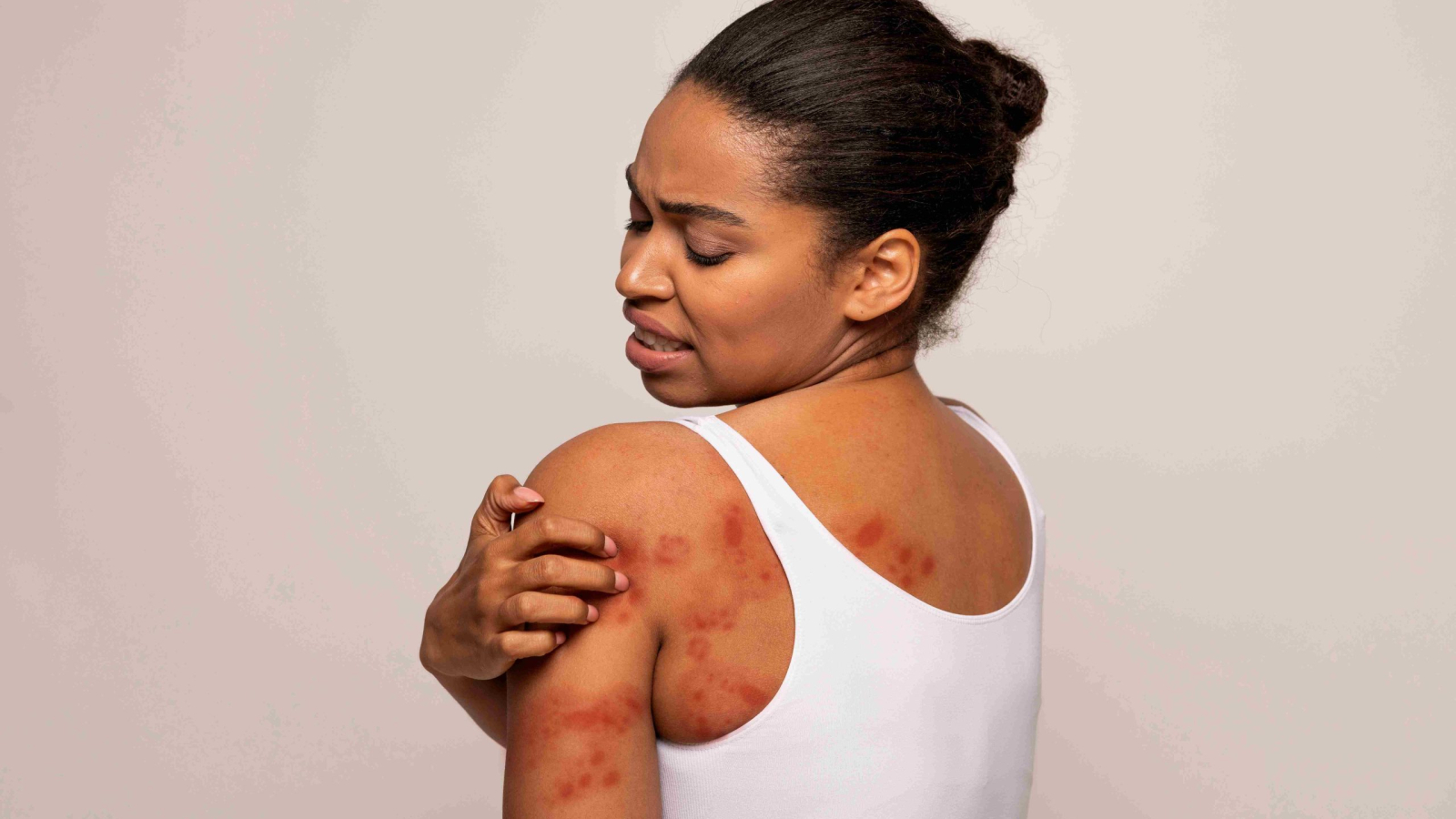
Bacterial infections happen when bad bacteria get into your body and start to multiply. These tiny, single-celled organisms can harm your skin, lungs, blood, and other important organs. If they aren’t treated, they can cause several health problems.

What Are Bacterial Infections?

When bacteria that cause disease get into your body through cuts, dirty food, droplets in the air, or direct contact, you get a bacterial infection. Bacteria are living things that can reproduce on their own and release toxins that hurt your cells and tissues. Viruses, on the other hand, are not living things. Most bacteria are not harmful and can even be helpful. They help with digestion and keep bad microorganisms from growing. But pathogenic bacteria can cause infections that are very bad and need to be treated right away.

Common Types of Bacterial Infections

Skin Infections

Cellulitis is a common bacterial skin infection that affects deeper layers of tissue and causes redness, swelling, and warmth. Impetigo, on the other hand, causes surface infections with honey-colored crusts.  MRSA is a serious staph infection that is resistant to antibiotics, needs special care, and can spread quickly in hospitals and other healthcare settings.

Respiratory Infections

Bacterial pneumonia is the main type of respiratory bacterial infection. It causes lung inflammation, a cough that brings up mucus, and trouble breathing. Strep throat hurts and swells the throat and tonsils, while whooping cough makes a cough that lasts for weeks and is very loud.

Urinary Tract Infections (UTIs)

UTIs happen when bacteria get into the urinary system. Cystitis affects the bladder and makes it hurt to urinate. Pyelonephritis is a more serious kidney infection that causes a high fever, severe back pain, and can permanently damage the kidneys if not treated.

Gastrointestinal Infections

Food poisoning from E. coli and Salmonella that comes from improperly stored or prepared foods is one type of gastrointestinal bacterial infection. Gastroenteritis is when the stomach and intestines become inflamed, which can cause diarrhea, cramps, and dehydration.

Blood Infections

Blood infections are the most dangerous types of bacterial infections. Sepsis is a whole-body response to infection that can lead to organ failure and death. Bacteremia happens when bacteria get into the blood directly, which can spread the infection to other parts of the body.

Bacterial Infection Symptoms

General Symptoms

  • Chills and fever
  • Tiredness and weakness
  • Lymph nodes that are swollen
  • Muscle and headache pain
  • Feeling sick and throwing up

Location-Specific Symptoms

Skin Infections:
  • Redness and swelling
  • Warmth and softness
  • Blisters full of pus
  • Wounds take longer to heal
Respiratory Infections:
  • A cough with colored mucus that is productive
  • Not being able to breathe
  • Pain in the chest
  • Throat pain
Urinary Infections:
  • Painful urination
  • Urine that is cloudy and smells bad
  • Going to the bathroom a lot
  • Pain in the pelvis
Gastrointestinal Infections:
  • diarrhea (sometimes with blood)
  • Cramps in the stomach
  • Not wanting to eat
  • Not enough water

How Bacterial Infections Spread

Direct Contact

  • Touching wounds 
  • surfaces that are infected
  • Transmission from one person to another
  • Having sex

Airborne Transmission

  • Droplets from coughing and sneezing
  • Dirty dust particles
  • Places with bad ventilation

Contaminated Sources

  • Food and water that isn’t safe
  • Medical tools that haven’t been cleaned
  • Bites and scratches from animals

Risk Factors for Bacterial Infections

  • A weak immune system
  • Long-term health problems
  • Recently had surgery or stayed in the hospital
  • Not taking care of yourself well
  • Old age or infancy
  • Drugs that weaken the immune system

Diagnosis of Bacterial Infections

Laboratory Tests

  • Blood cultures: Find bacteria in the blood
  • Urine analysis: Find infections in the urinary tract
  • Wound cultures: Check tissue samples that are infected
  • Throat swabs: Find out if you have strep throat

Imaging Studies

  • X-rays for lung infections
  • CT scans for infections inside the body
  • Ultrasound for infections in the stomach

Rapid Tests

  • Quick results with PCR testing
  • Diagnostics at the point of care
  • Tests for detecting antigens

Treatment Options

Antibiotic Therapy

  • Oral antibiotics: for infections that are mild to moderate
  • Topical antibiotics: Infections of the skin
  • Intravenous antibiotics: Very bad infections

Supportive Care

  • Taking care of pain
  • Lowering a fever
  • Replacing fluids
  • Taking care of wounds

Treatment Duration

Most bacterial infections need 7 to 14 days of antibiotics to get better. Finish the whole course, even if your symptoms get better, to stop antibiotic resistance. Skin Infections

Prevention Strategies

Personal Hygiene

  • Use soap to wash your hands often.
  • Cover and clean your wounds.
  • Don’t touch your face with dirty hands.
  • Keep your mouth clean.

Food Safety

  • Cook the meat all the way through
  • Put perishable foods in the fridge right away.
  • Don’t let things get mixed up.
  • Clean fruits and vegetables

Environmental Precautions

  • Clean surfaces with disinfectant often
  • Make sure there is enough air flow.
  • Stay away from crowded, poorly ventilated areas.

When to Seek Medical Care

Emergency Signs

  • Fever over 101°F
  • A lot of pain or swelling
  • Breathing problems
  • Being confused or lost
  • Fast heart rate
  • Symptoms of sepsis

Routine Medical Care

  • Symptoms that don’t go away after 2–3 days
  • The infection is getting worse even though it’s being treated.
  • Infections that keep coming back
  • Strange smell or discharge

Complications of Untreated Bacterial Infections

If you don’t treat a bacterial infection, it could get worse and cause sepsis, organ failure, or death. Early diagnosis and the right treatment are very important for avoiding these deadly outcomes.

Antibiotic Resistance

Overusing and misusing antibiotics make infections harder to treat because they become resistant to them. Never share or save leftover antibiotics, and always take them as directed.

Conclusion:

Bacterial infections are common but treatable, and you should see a doctor right away if you have one. Knowing the symptoms, types, and treatment options can help you make smart choices about your health. Cleo Clinical Care has a qualified dermatologist for the right diagnosis and treatment. Also, keeping good hygiene and using the right skin care products from The Skin Theory can help prevent a lot of bacterial skin infections from happening. Keep in mind that getting help early is the best way to avoid problems and make sure you fully recover from bacterial infections.

FAQ’s:

Q: How long do bacterial infections last?

With the right antibiotics, most bacterial infections go away in 7 to 14 days.

Q: Do bacterial infections spread from one person to another?

Yes, a lot of bacterial infections, such as pneumonia and strep throat, can spread through droplets and direct contact.

Q: What is the difference between viral and bacterial infections?

Antibiotics work on bacterial infections, but not on viral infections.

Q: Are all bacteria bad?

No, most bacteria are either harmless or helpful. Only pathogenic bacteria can make you sick.

Q: Is it possible to stop bacterial infections naturally?

You can avoid getting sick by practicing good hygiene, eating well, and staying away from dirty places, but you need antibiotics to treat it.