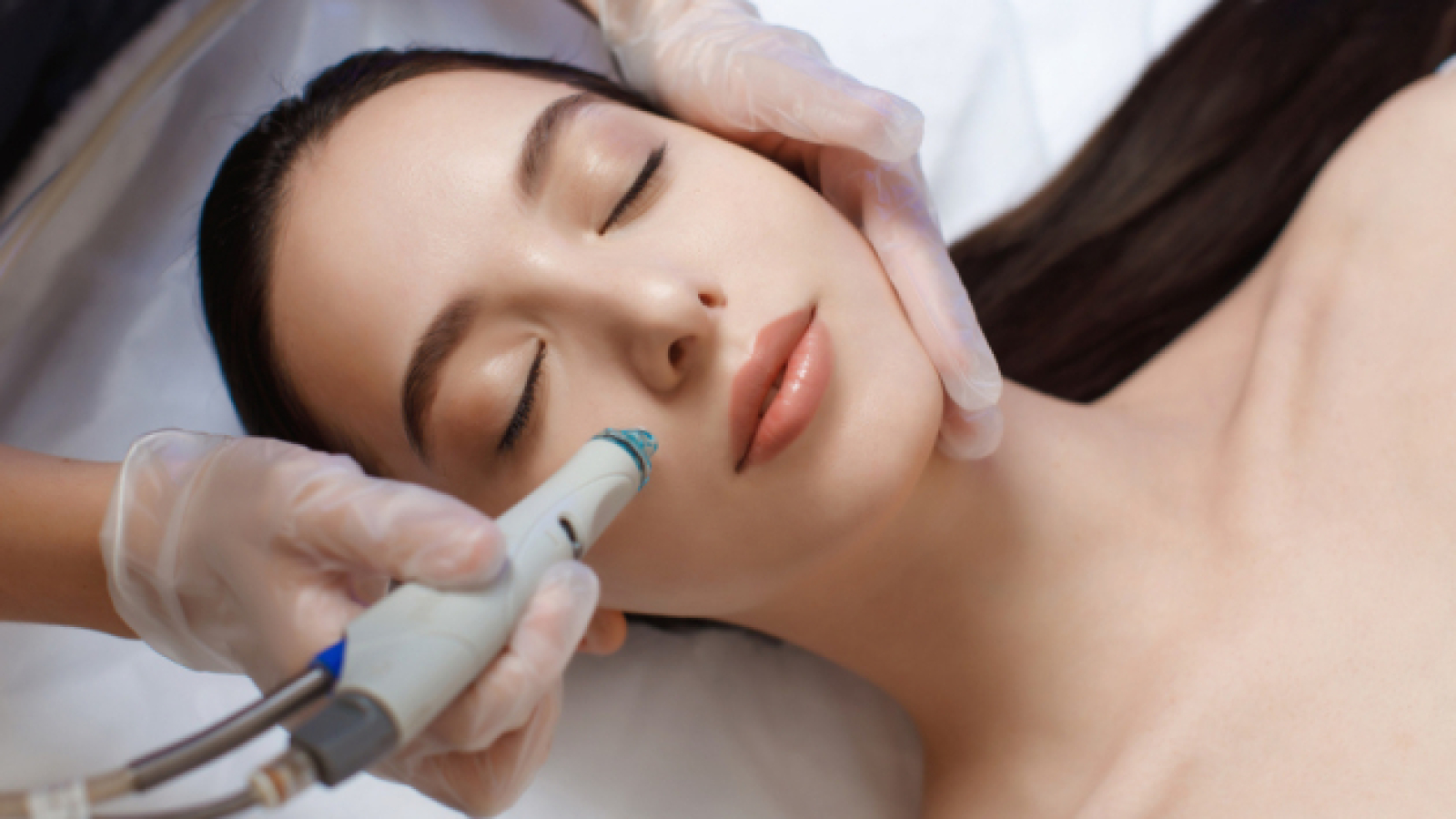
female-at-cosmetic-beauty-spa-clinic-has-facial-ha-2024-10-18-17-49-09-utc (1)

The Ultimate Guide to Hydrafacial: Benefits, Procedure, and Pricing

When it comes to achieving radiant, rejuvenated skin, Hydrafacial has emerged as one of the most effective and popular treatments available today. This revolutionary skincare procedure offers immediate results with no downtime, making it a favorite among skincare enthusiasts and professionals alike.
What is a Hydrafacial?

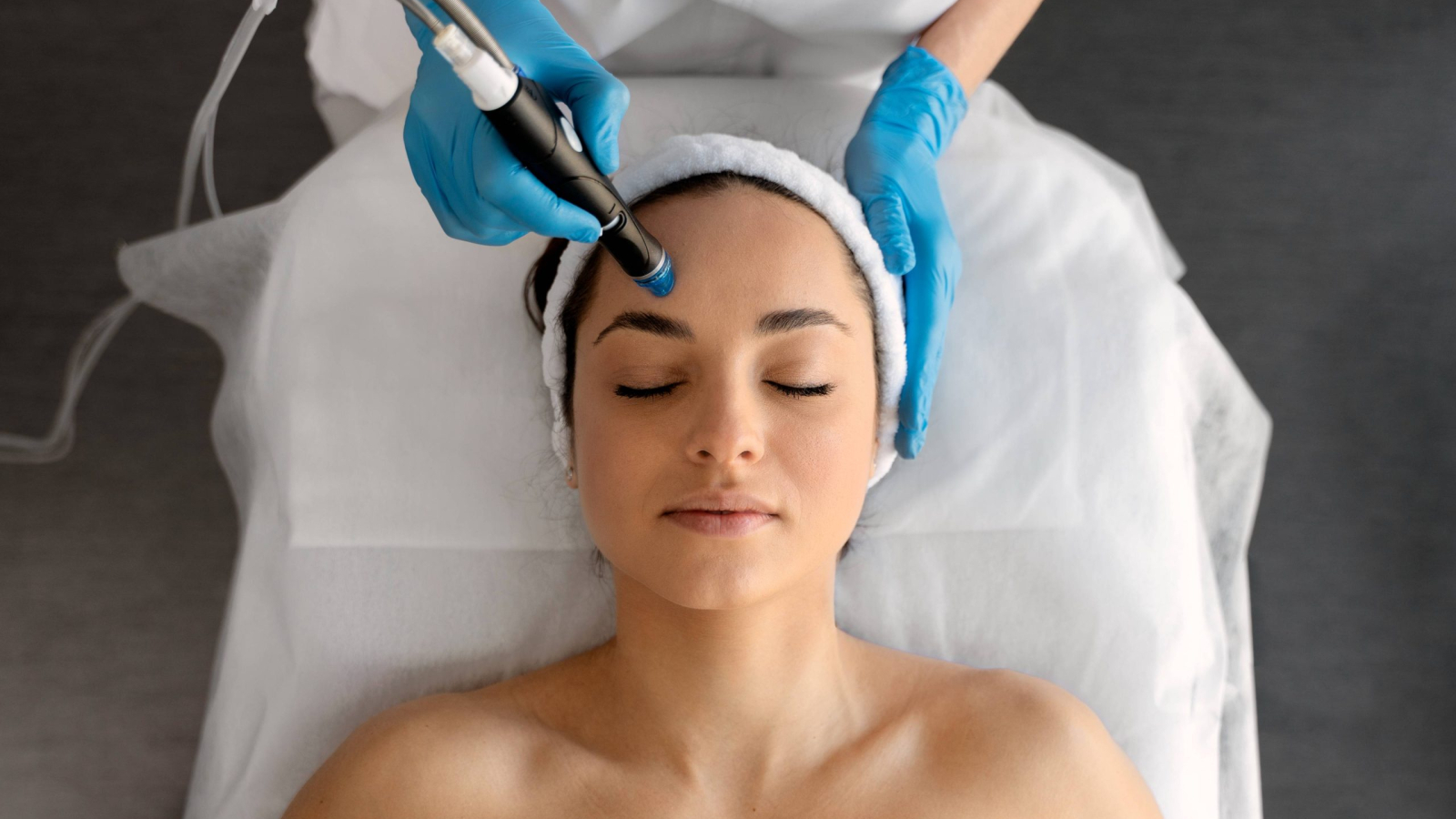
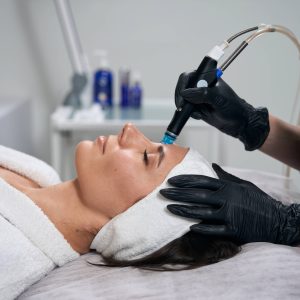
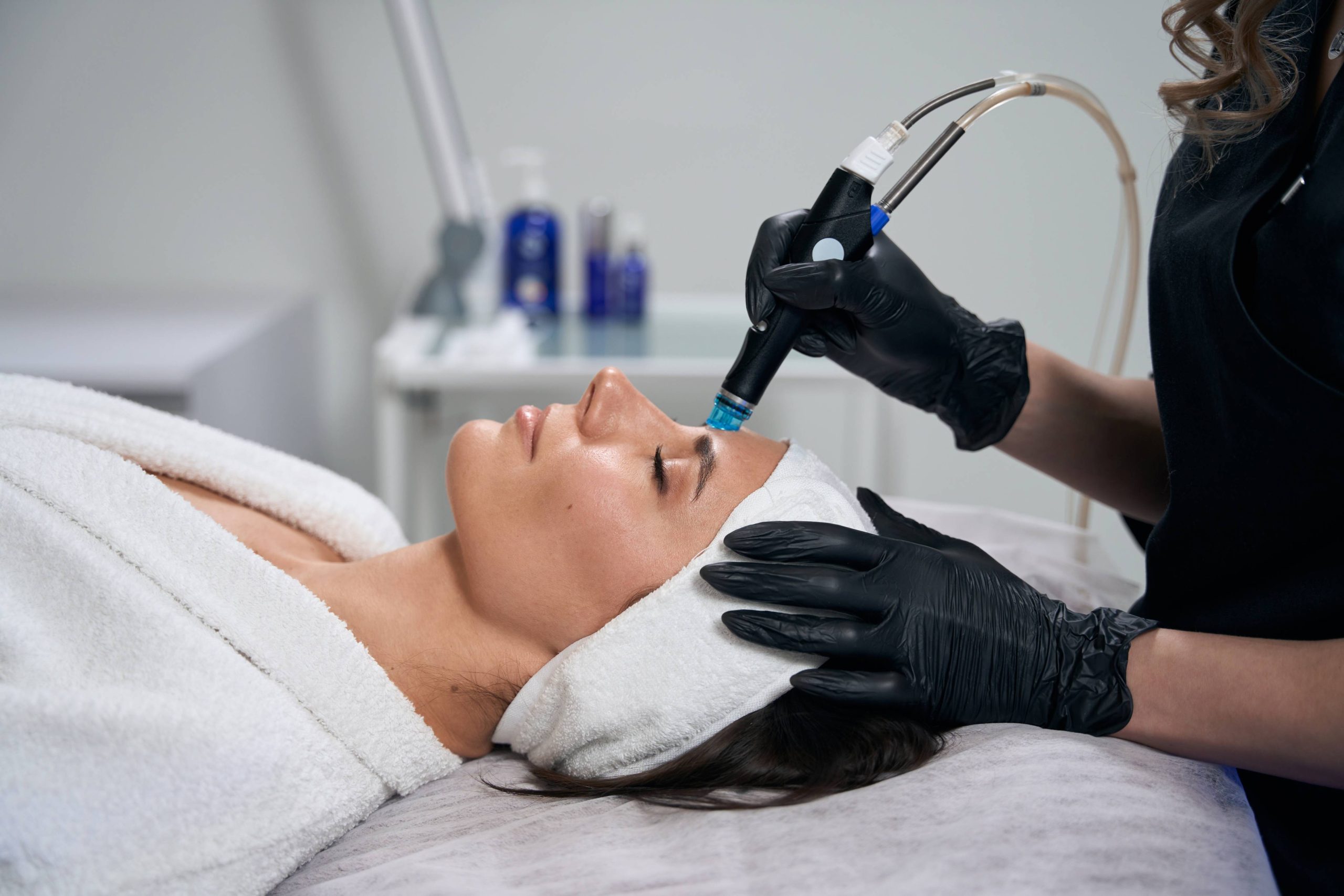
Hydra facial is an advanced, non-invasive skin treatment that combines cleansing, exfoliation, extraction, hydration, and antioxidant protection. Unlike traditional facials, the Hydra facial uses patented Vortex-Fusion technology to deliver serums deep into the skin, providing instant and long-lasting results. The multi-step treatment cleanses, exfoliates, and extracts impurities while simultaneously delivering moisturizing serums into the skin. What sets it apart from other facial treatments is its ability to address multiple skin concerns in one session, including fine lines, wrinkles, enlarged pores, congestion, and uneven skin tone. At a premium skin care clinic offering the best Hydrafacial in Lahore, trained aestheticians use medical-grade equipment to customize the treatment according to your specific skin concerns and needs.

The Hydrafacial Procedure: What to Expect

Understanding the procedure is essential for anyone considering this treatment. The Hydrafacial Lahore specialists typically follow these steps during your session:

Step 1: Cleansing and Exfoliation

The treatment begins with a deep cleansing and gentle exfoliation using a special spiral tip that removes dead skin cells and sebum from the surface of your skin. This reveals a fresh, new layer of skin beneath.

Step 2: Acid Peel

Next, a gentle acid peel is applied. Unlike traditional chemical peels that can cause redness and irritation, the Hydrafacial peel is gentle enough for all skin types while still being effective.

Step 3: Extraction

The third step involves painless extraction. Using the unique vacuum-powered vortex-extraction nozzle, the system removes blackheads, dirt, oil, and impurities from your pores without the discomfort associated with manual extractions.

Step 4: Hydration

After extraction, the skin is infused with intensive moisturizers that quench and protect. This step helps to replenish the skin with antioxidants, peptides, and hyaluronic acid.

Step 5: Protection

Finally, the skin is protected with serums containing essential nutrients to maintain and protect the results. These serums target specific skin concerns such as fine lines, hyperpigmentation, or dullness. The entire treatment typically takes about 30-45 minutes, making it perfect for busy individuals. There’s no downtime, so you can immediately return to your daily activities with glowing skin.
Hydrafacial Benefits: Why It’s Worth It

The hydra facial benefits are numerous, making it one of the most sought-after skincare treatments worldwide. Here are some key advantages:
  • Immediate Results: Unlike many other skincare treatments that require multiple sessions before visible improvements, Hydrafacial provides immediate results. After just one session, you’ll notice that your skin looks clearer, more radiant, and refreshed.
  • Suitable for All Skin Types: Whether you have sensitive, oily, dry, or combination skin, Hydrafacial can be customized to address your specific concerns. It’s gentle enough for sensitive skin yet effective for treating various skin conditions.
  • No Downtime: One of the biggest Hydra facial benefits is that there’s no downtime. You can apply makeup immediately after the treatment and resume your normal activities.
  • Consistent Results: The Hydrafacial delivers consistent results because it’s not technician-dependent. The technology ensures that you receive the same quality treatment each time.
  • Addresses Multiple Skin Concerns: In just one session, the treatment can improve the appearance of fine lines, wrinkles, enlarged pores, congested skin, and uneven skin tone.
  • Non-Invasive: The procedure is completely non-invasive, which means no needles, no pain, and no recovery time.
Many patients who search for Hydra facial near me are impressed by how the treatment can provide such significant improvements without any discomfort or recovery time.

Finding Quality Hydrafacial Services Near You

When searching for a Hydra facial near me, it’s important to consider several factors to ensure you receive a high-quality treatment.

Choosing a Reputable Clinic

Look for clinics with experienced aestheticians who are certified in Hydra facial treatments. Check reviews and before-and-after photos to get an idea of the results you can expect.

Hydrafacial in Lahore

For those in Lahore, several clinics are offering Hydrafacial Lahore services. The best Hydrafacial providers in Lahore typically have modern facilities, use genuine Hydrafacial equipment, and employ trained specialists who can customize the treatment to your specific needs.

What to Ask Before Booking

Before scheduling your appointment, ask about:
  • The experience and certification of the aesthetician
  • Whether they use genuine Hydra facial equipment
  • What specific serums do they offer for different skin concerns
  • If they provide a skin analysis before treatment
  • What add-on treatments do they recommend for your skin type

Understanding the Hydrafacial Price in Pakistan

The Hydrafacial price in Pakistan varies depending on several factors, including the clinic’s location, the expertise of the aesthetician, and any additional treatments or serums included.

Average Cost

On average, a standard Hydrafacial treatment in Pakistan ranges from PKR 8,000 to PKR 15,000 per session. Premium clinics offering the best Hydrafacial in Lahore may charge between PKR 12,000 to PKR 20,000, especially if they include specialized serums or additional steps.

Factors Affecting Price

Several factors can influence the Hydrafacial price in Pakistan:
  • Location: Clinics in upscale areas or major cities typically charge more than those in smaller towns.
  • Additional Serums: Specialized serums targeting specific concerns like hyperpigmentation or anti-aging can increase the cost.
  • Combined Treatments: Some clinics offer Hydrafacial combined with other treatments like LED light therapy or lymphatic drainage, which can affect the overall price.
  • Clinic Reputation: Well-established clinics with highly trained staff often charge premium rates.

Is It Worth the Investment?

While the hydrafacial price in Pakistan may seem higher than traditional facials, the results justify the cost for many patients. The immediate improvement in skin appearance, combined with the lack of downtime and the treatment’s ability to address multiple concerns simultaneously, makes it a cost-effective option for those serious about their skincare.

How Often Should You Get a Hydrafacial?

For optimal results, most skincare professionals recommend getting a hydrafacial treatment once a month. This frequency allows your skin to complete its natural renewal cycle between treatments. However, the recommended frequency can vary based on:
  • Your Skin Concerns: If you’re addressing specific issues like acne or hyperpigmentation, you might benefit from more frequent treatments initially.
  • Skin Type: Oily or congestion-prone skin may require more frequent sessions than dry or sensitive skin.
  • Budget Considerations: If regular monthly treatments aren’t feasible financially, even quarterly Hydrafacials can still provide significant benefits.

Comparing Hydrafacial to Other Facial Treatments

While searching for a Hydra facial near me, you might wonder how this treatment compares to other popular facial options:

Hydrafacial vs. Traditional Facials

Unlike traditional facials that rely heavily on the aesthetician’s technique, Hydrafacial uses patented technology to ensure consistent results. Traditional facials often cause redness or irritation, while Hydrafacial leaves the skin instantly glowing without adverse effects.

Hydrafacial vs. Microdermabrasion

Microdermabrasion only focuses on exfoliation, whereas Hydrafacial provides multiple benefits in one treatment. Hydrafacial is also gentler on the skin while delivering more noticeable results.

Hydrafacial vs. Chemical Peels

Chemical peels can cause significant downtime and peeling, making them unsuitable for many skin types. Hydra facial treatments are gentle enough for all skin types with no downtime, yet still deliver impressive results.

Who Should Consider Getting a Hydrafacial?

The versatility of the Hydra Facial makes it suitable for most people, but it’s particularly beneficial for those with:
  • Congested Skin: If you struggle with blackheads and clogged pores, the extraction step can provide significant improvement.
  • Dull Complexion: The exfoliation and hydration components help restore radiance to tired-looking skin.
  • Fine Lines and Early Signs of Aging: The infusion of antioxidants and hydrating serums can improve the appearance of fine lines.
  • Uneven Skin Tone: Regular treatments can help address hyperpigmentation and create a more balanced complexion.
  • Oily and Acne-Prone Skin: The deep cleansing and extraction can help control excess oil and prevent breakouts.

Preparing for Your Hydrafacial Appointment

To maximize the hydra facial benefits, follow these preparation tips:
  • Avoid sun exposure and tanning beds for at least 48 hours before your appointment
  • Discontinue use of retinoids, exfoliants, or other potentially irritating skincare products 2-3 days before treatment
  • Arrive with clean skin, free of makeup if possible
  • Let your aesthetician know about any skin conditions, allergies, or medications you’re taking
  • If you’ve had any recent cosmetic procedures or injections, inform your provider

Post-Treatment Care

After receiving a hydra fical treatment:
  • Avoid strenuous exercise for 24 hours
  • Apply sunscreen diligently (minimum SPF 30)
  • Avoid exfoliating products for 2-3 days
  • Keep skin hydrated by drinking plenty of water
  • Follow any specific instructions provided by your aesthetician
Conclusion:

Hydrafacial has revolutionized the facial treatment industry by offering immediate, visible results without downtime or discomfort. Whether you’re searching for the best Hydrafacial in Lahore or simply exploring hydra facial benefits for your skin concerns, this innovative treatment offers something for everyone. When researching the Hydrafacial price in Pakistan or looking for a hydra facial near me, remember that investing in quality treatments from reputable providers will yield the best results for your skin health and appearance.  Whether you choose a provider offering Hydrafacial Lahore services or elsewhere, make sure they’re using genuine equipment and have the expertise to customize the treatment to your specific needs.

FAQ’s:

1. How much does a Hydrafacial cost in Pakistan? 

Hydrafacial treatments in Pakistan typically range from PKR 8,000 to PKR 20,000, depending on the clinic location and additional serums used.

2. How often should I get a Hydrafacial treatment? 

For optimal results, most professionals recommend getting a Hydrafacial once a month to align with your skin’s natural renewal cycle.

3. Is there any downtime after a Hydrafacial? 

No, there’s zero downtime with Hydrafacial—you can immediately apply makeup and resume normal activities with a fresh, glowing complexion.

4. What skin concerns can Hydrafacial address? 

Hydrafacial effectively treats multiple concerns, including fine lines, enlarged pores, oily skin, congestion, uneven tone, and dullness in just one session.

5. Is Hydrafacial suitable for sensitive skin? 

Yes, Hydrafacial is gentle enough for sensitive skin and can be customized with appropriate serums for your specific skin concerns.
Cosmetic Dermatology

The Ultimate Guide to Laser Hair Removal: Cost, Benefits, and What to Expect

When it comes to eliminating unwanted hair, laser hair removal stands out as one of the most effective and popular methods available today. This advanced treatment offers long-term results and has transformed the way people manage unwanted body and facial hair.

What is Laser Hair Removal?

Laser hair removal utilizes a highly concentrated beam of light to target hair follicles and reduce unwanted hair. The process is simple but effective: the laser emits a light that is absorbed by the pigment in the hair, converting the light energy into heat. This heat damages the follicle, which inhibits future hair growth. The treatment is precise, allowing it to be used on various parts of the body, including the face, legs, underarms, and bikini line.

While laser hair removal is highly effective in reducing hair growth, it typically requires multiple sessions to achieve the best results. Each session helps to further damage the follicles, gradually delaying and reducing hair regrowth over time. For many individuals, it is an excellent solution for long-term hair removal, though maintenance treatments may be needed after the initial rounds of treatment.

Laser hair removal is particularly effective for those with light skin and dark hair, as the contrast allows the laser to target the hair pigment more effectively. However, with advancements in technology, it can now be successfully applied to a variety of skin types and hair colors, making it a versatile option for many.

At quality skin care clinics, including those offering laser hair removal in Lahore, specialists use advanced laser machines that provide precise and effective treatments. Professional hair specialists ensure that each session is tailored to your unique skin type, ensuring the best possible outcome.

The Laser Hair Removal Procedure: What to Expect

Understanding the procedure for laser hair removal is essential for anyone considering this treatment. The process requires a detailed approach but is generally straightforward.

Before Your Session

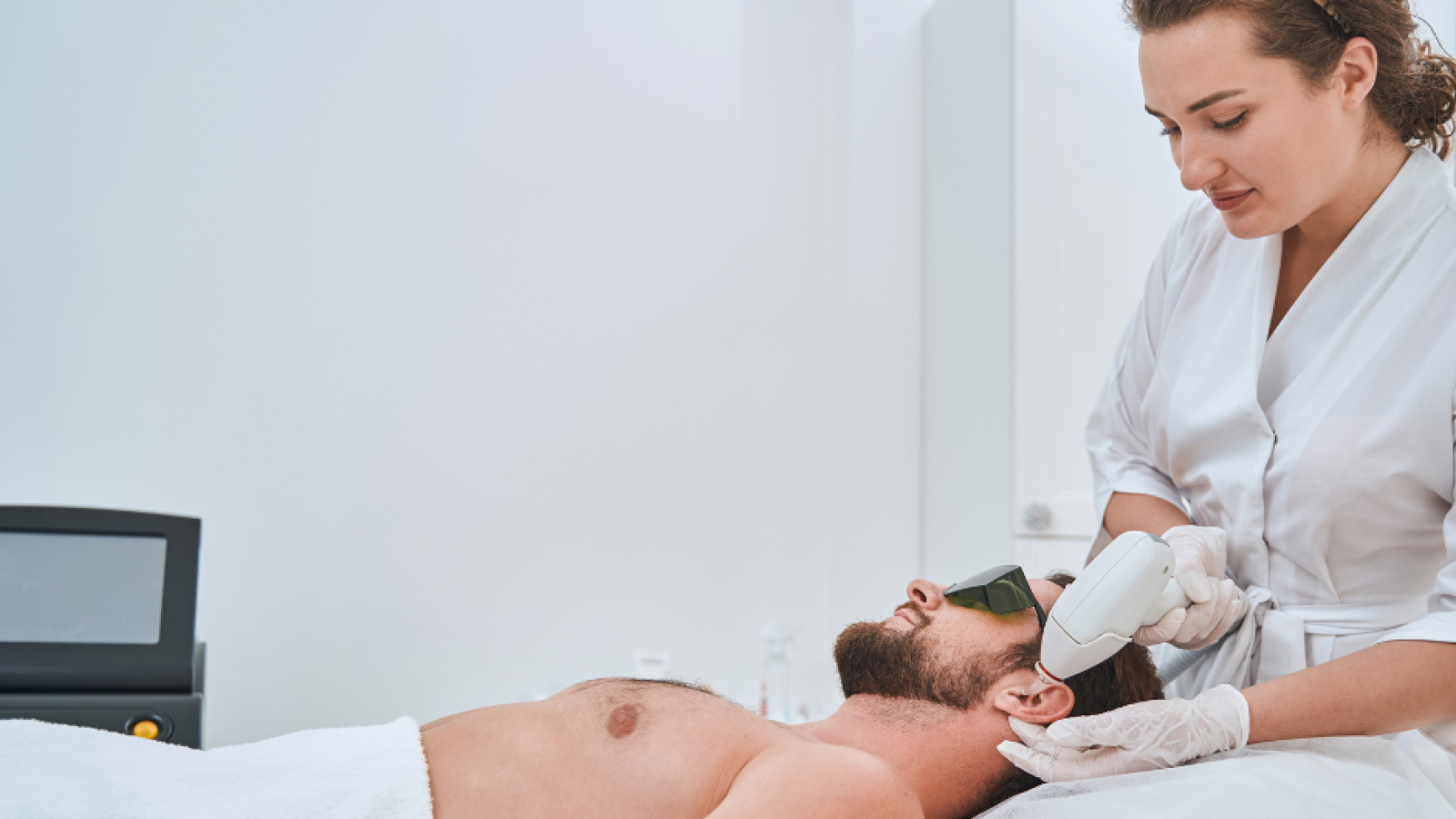
Laser hair removal begins with a consultation to assess your skin type, hair color, and treatment goals. Once a suitable treatment plan is established, the area to be treated is cleansed. Protective eyewear is provided to shield your eyes from the laser light.

During the Treatment

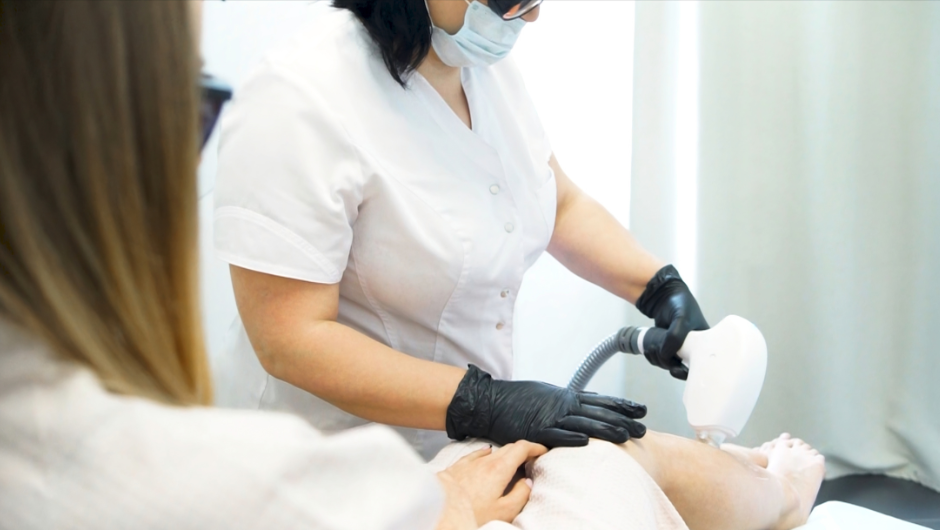
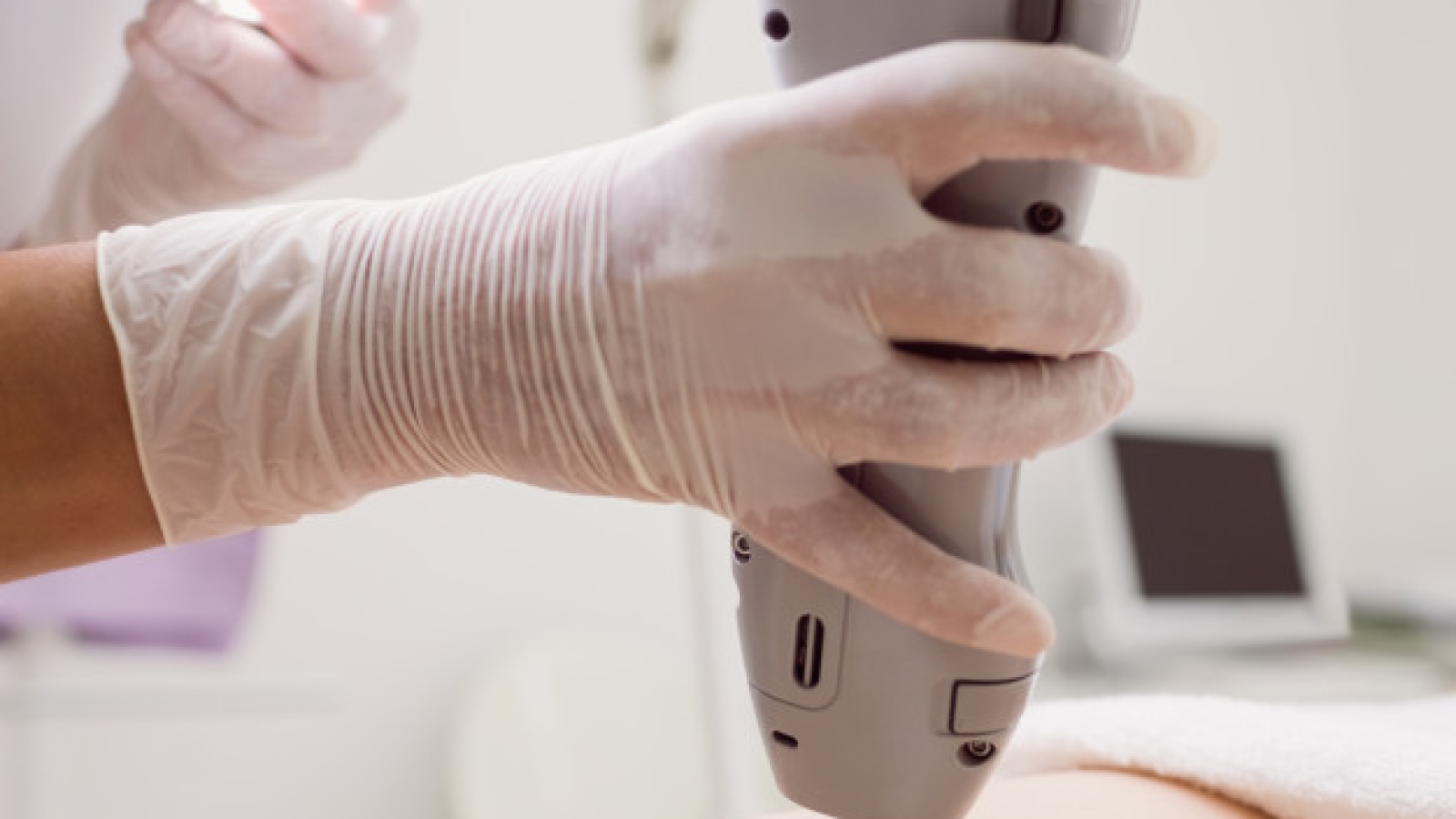
During the procedure, a hand-held laser device is passed over the skin. The device emits pulses of light, targeting the hair follicles in the treatment area. The light is absorbed by the pigment in the hair, and the resulting heat damages the follicle, preventing future hair growth.

The treatment may cause a mild sensation similar to the snap of a rubber band on the skin. However, most patients find the procedure tolerable, and discomfort is minimal. The length of each session varies depending on the size of the area being treated. Small areas, like the upper lip, may take just a few minutes, while larger areas, such as the legs, may take up to an hour.

After Your Session

After the session, you may experience slight redness or swelling, similar to a mild sunburn. This is typically temporary and should subside within a few hours. Patients are advised to avoid sun exposure and follow aftercare instructions to protect the treated area. Applying a broad-spectrum sunscreen with SPF 30 or higher daily is essential to prevent skin damage and pigmentation.

When searching for laser hair removal near me, make sure to choose a clinic that provides comprehensive pre- and post-treatment care instructions.

Benefits of Laser Hair Removal

Laser hair removal provides several advantages, making it one of the most popular choices for permanent hair reduction. Some of the key benefits include:

  • Long-lasting results: After completing a series of treatments, many people experience a significant reduction in hair growth, with results lasting for months or even years. This makes it ideal for those seeking a long-term solution to unwanted hair.
  • Speed and efficiency: Laser hair removal is relatively quick compared to other methods. Small areas, such as the upper lip, can be treated in just a few minutes, while larger areas, such as the legs or back, may take 30 to 60 minutes.
  • Minimal discomfort: The sensation during the treatment is often described as a mild stinging or snapping sensation, but it is typically well tolerated. The procedure doesn’t require any downtime, so patients can return to their daily activities immediately after treatment.
  • Precision: The laser can target specific hair follicles, leaving the surrounding skin unaffected. This makes it an excellent option for treating delicate areas, like the face or bikini line, with minimal risk of irritation.
  • Effective on various skin types: Thanks to advances in technology, laser hair removal can now be safely used on a wide range of skin tones and hair colors, although it is most effective on individuals with light skin and dark hair.

Many patients seeking face laser hair removal particularly appreciate the precision that laser treatment offers for delicate facial areas.

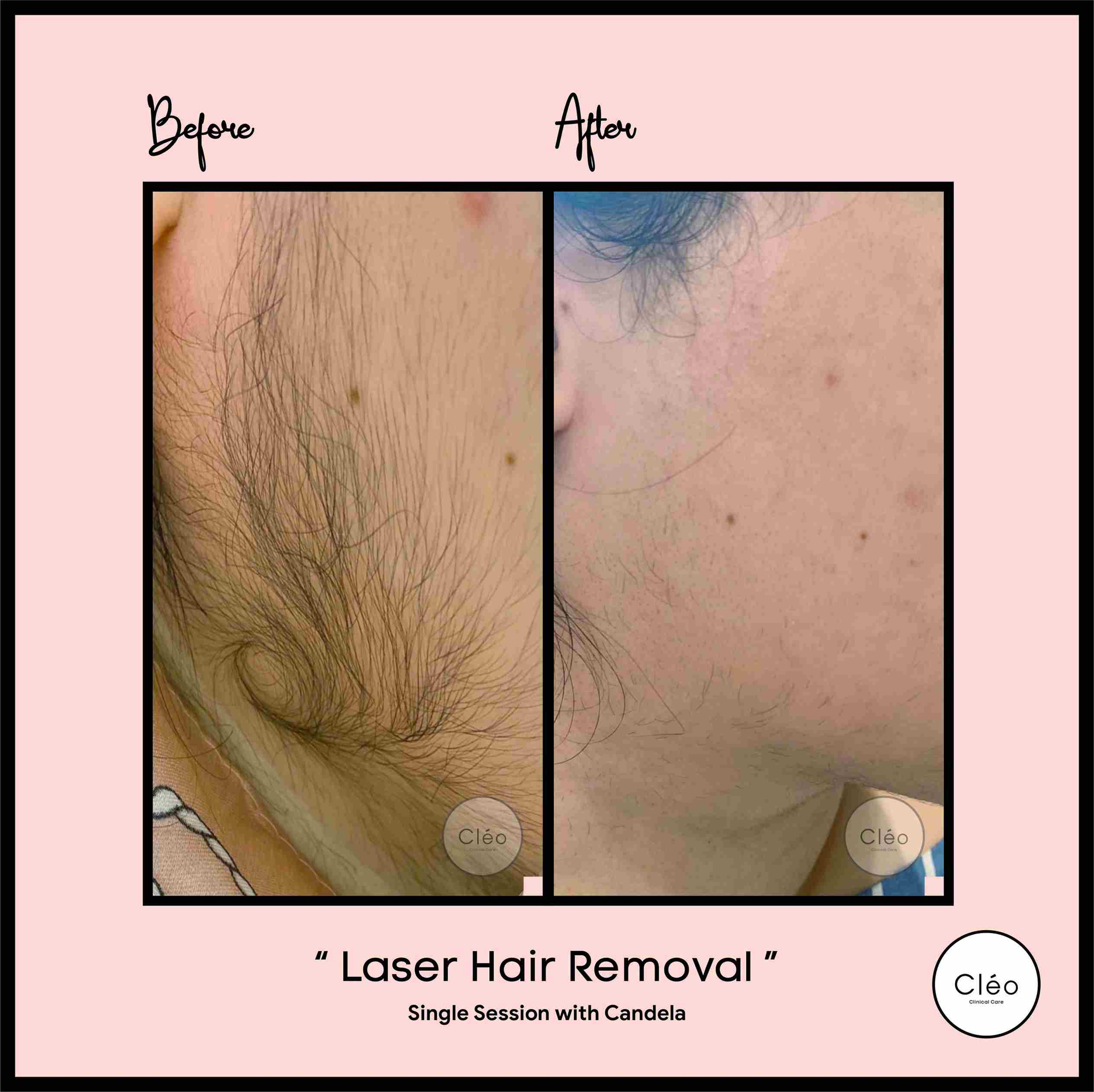
laser hair removal

Cautions and Considerations for Laser Hair Removal

While laser hair removal is generally safe, there are some factors to be aware of:

  • Skin Sensitivity: Laser hair removal can cause temporary redness, swelling, or irritation in the treated area. These effects usually subside within a few hours. However, people with sensitive skin may experience longer-lasting discomfort or irritation.
  • Potential Side Effects: Some individuals may experience mild side effects such as hyperpigmentation (darkening of the skin) or hypopigmentation (lightening of the skin). These side effects are more common in those with darker skin tones, as the laser targets melanin in the hair and skin.
  • Not Suitable for All Skin Types: Although advances in technology have improved the effectiveness of laser hair removal for various skin types, it tends to work best on individuals with light skin and dark hair. Those with darker skin tones may need specialized treatment to minimize the risk of pigmentation changes.
  • Risk of Burns or Scarring: In rare cases, improper use of the laser or incorrect settings can result in burns or scarring. That’s why it’s essential to seek treatment from an experienced professional who is well-trained in laser procedures.
  • Pre-Treatment Care: Before treatment, it’s important to avoid sun exposure and tanning, as tanned skin may absorb more laser light, increasing the risk of side effects. You may also be advised to avoid waxing or plucking the hair before treatment, as these methods can interfere with the laser’s ability to target the hair follicles effectively.

When considering IPL laser hair removal or traditional laser methods, it’s important to discuss these considerations with your provider.

How Many Sessions Will You Need?

Laser hair removal typically requires multiple sessions to achieve permanent hair reduction. Each session targets hair follicles in the active growth phase, which is why multiple treatments are necessary to ensure that all hair follicles are effectively treated.

  • Typical Number of Sessions: On average, patients require 4 to 6 sessions to see significant hair reduction. These sessions are usually spaced about 4 to 6 weeks apart to allow the hair follicles to enter the active growth phase.
  • Factors Affecting Sessions: The number of sessions required can vary based on several factors, including the area being treated, hair color, and skin type. For instance, individuals with lighter skin and darker hair may see quicker results, while those with lighter hair may require additional treatments.
  • Maintenance Sessions: While many people experience long-term hair reduction after a series of treatments, occasional maintenance sessions may be needed to keep hair regrowth at bay. These sessions are usually less frequent, typically every 6 to 12 months.

Understanding Laser Hair Removal Cost

Laser hair removal cost can vary significantly depending on several factors, such as the area being treated, the number of sessions required, and the location of the clinic.

  • Factors Affecting Cost: The cost of laser hair removal can be influenced by factors such as the size of the area being treated, the number of sessions required for optimal results, and the technology used. Advanced lasers or specialized treatments may cost more, but can offer more effective results.
  • Laser Hair Removal Price in Pakistan: For individuals seeking laser hair removal price in Pakistan, the cost can range between PKR 5,000 to PKR 15,000 per session, depending on the area being treated. Larger areas like the legs or back may require a higher cost.
  • Face Laser Hair Removal Price: The face laser hair removal price is typically lower than larger body areas, with costs in Pakistan ranging from PKR 1,500 to PKR 5,000 per session, depending on whether you’re treating the upper lip, chin, or full face.
  • Long-Term Investment: While the upfront laser hair removal cost in Pakistan or elsewhere can seem high, laser hair removal offers significant long-term savings, as it eliminates the need for regular waxing or shaving. Many individuals find that the results last for months or even years after completing their sessions.

Finding Quality Laser Hair Removal Services Near You

Finding the right clinic or specialist for your laser hair removal treatment is crucial to ensuring both safety and effectiveness. Searching for laser hair removal near me can help you identify qualified providers who offer the services you need.

Choosing a Reputable Clinic

When looking for a clinic, it’s important to choose one that uses up-to-date equipment and employs experienced professionals. Make sure the clinic has a reputation for safety and customer satisfaction. Reviews from past clients can be a great way to gauge the quality of service.

Laser Hair Removal in Lahore

If you are in Lahore, there are numerous clinics offering laser hair removal in Lahore. The cost, quality of service, and technology used can vary from one clinic to another. Be sure to look for clinics with experienced specialists who can tailor the treatment to your skin type and needs.

Factors to Consider

Location, pricing, and equipment are essential factors when selecting a clinic. Ensure that the clinic offers a consultation before treatment, where they can assess your needs, discuss any potential risks, and explain the procedure in detail.

The Importance of a Hair Specialist

When considering laser hair removal treatments, it’s essential to choose a hair specialist who is experienced and skilled in performing the procedure. A qualified professional ensures that you receive the best possible treatment while minimizing the risks.

Experienced Professionals

A trained specialist can evaluate your skin type, hair color, and any medical conditions that may affect your treatment. The right specialist will assess the best approach for your unique needs, helping you achieve the best results.

Importance of Expertise

An experienced professional can reduce the risk of complications, such as burns, scarring, or pigmentation changes. They are also able to adjust the settings of the treatment based on your skin’s sensitivity and hair type to maximize the effectiveness of the procedure.

Consultations

During a consultation, a hair specialist will review your medical history, explain the procedure in detail, and discuss your expectations. This is an opportunity to ask questions, address concerns, and ensure that you are comfortable moving forward with the treatment.

A professional consultation and treatment performed by a skilled expert will help ensure that your hair removal process is safe and effective.

Comparing Traditional Laser and IPL Hair Removal

When researching laser hair removal options, you may come across IPL laser hair removal. IPL (Intense Pulsed Light) is not technically a laser but uses a broad spectrum of light to target hair follicles. While similar to laser treatment, IPL has some distinct differences:

  • IPL uses multiple wavelengths of light, while traditional lasers use a single wavelength
  • IPL may require more sessions than traditional laser treatments
  • IPL is often more affordable than traditional laser treatments
  • IPL may work better for certain skin and hair combinations

The laser hair removal cost in Pakistan for IPL treatments is generally lower than traditional laser, with prices ranging from PKR 3,000 to PKR 10,000 per session, depending on the treatment area.

Electrolysis vs. Laser: A Brief Comparison

While this guide focuses on laser hair removal, it’s worth briefly mentioning electrolysis hair removal as an alternative option. Electrolysis hair removal cost in Pakistan tends to be higher per session than laser treatments, but may require fewer sessions overall for certain hair types.

Unlike laser treatments, electrolysis works on all hair colors and types, making it an option for those with light or gray hair that doesn’t respond well to laser treatments. However, the process is more time-consuming as it treats each hair follicle individually.

Conclusion

Laser hair removal is an excellent option for those seeking a long-term solution to unwanted hair. By understanding the procedure, benefits, costs, and considerations, you can make an informed decision about whether this treatment is right for you.

When searching for laser hair removal near me or specifically laser hair removal in Lahore, be sure to research clinics thoroughly, read reviews, and schedule consultations to find a reputable provider with experienced hair specialists. With each method, you can make an informed decision about which treatment is best for you. Remember to consult with a trained professional, like Dr. Amna at Cleo, to ensure the best care and optimal results. 

With the right provider and appropriate expectations, laser hair removal can help you achieve smooth, hair-free skin for months or even years, eliminating the need for regular shaving, waxing, or plucking. Whether you’re considering face laser hair removal or treating larger body areas, the investment in laser treatment can provide lasting results that many find well worth the cost.

FAQ’s:

How much does laser hair removal cost in Pakistan?

Laser hair removal in Pakistan typically costs between PKR 5,000 to PKR 15,000 per session, with facial treatments starting from PKR 1,500.

How many laser hair removal sessions will I need?

Most people require 4-6 sessions spaced 4-6 weeks apart to achieve significant hair reduction results.

Is laser hair removal effective for all hair colors?

Laser works best on dark hair with light skin, as the laser targets pigment; it’s less effective on blonde, red, gray, or white hair.

What’s the difference between IPL and traditional laser hair removal?

IPL uses multiple wavelengths of light and is generally more affordable, while traditional laser uses a single wavelength and may require fewer sessions.

Do I need maintenance treatments after completing laser hair removal?

Yes, most people benefit from maintenance sessions every 6-12 months to address any new hair growth.

Electrolysis Hair Removal

Comprehensive Guide to Electrolysis Hair Removal Method

When it comes to eliminating unwanted hair, two highly effective methods stand out: laser hair removal and electrolysis hair removal. Both are designed to reduce or remove hair over the long term, but they each work in unique ways and offer distinct benefits.

Electrolysis Hair Removal: The Permanent Solution

Electrolysis is another popular and effective hair removal method. Electrolysis hair removal uses an electrical current to destroy the hair follicle’s ability to grow hair. A tiny needle is inserted into the follicle, and a small electrical current is applied.

This current disrupts the follicle, preventing future hair from growing. It’s a method that has been used for decades and remains a reliable choice for permanent hair removal.

Electrolysis can be used on almost any part of the body, including delicate areas like the eyebrows, chin, and upper lip.

One of the greatest advantages of electrolysis is its versatility—it works on all skin types and hair colors, making it suitable for nearly everyone. Whether you have fine, coarse, light, or dark hair, electrolysis offers a permanent solution for unwanted hair.

Each electrolysis session can take more time compared to laser hair removal, as it targets individual hair follicles one by one. The process may take longer depending on the area being treated and the density of hair. However, it offers permanent results, meaning once a follicle is treated, it will never grow hair again.

At Cleo, we offer electrolysis as a permanent hair removal option. Our team ensures that the procedure is done with care, targeting each hair follicle with precision to guarantee the best results.

Electrolysis Hair Removal Procedure

The electrolysis procedure begins with a consultation to evaluate the hair growth pattern, skin type, and areas of concern. The skin is then cleansed, and a fine needle is inserted into each hair follicle. The needle releases a small amount of electrical current, which heats the follicle, effectively destroying its ability to grow hair.

Electrolysis is typically more time-consuming than laser hair removal because each follicle is treated individually. The procedure can be done on smaller or larger areas, but the number of follicles to be treated will influence the overall treatment time. For example, a session on the upper lip may take just 15 minutes, while larger areas like the legs could take up to an hour or more.

During the procedure, patients may feel a slight tingling or stinging sensation as the current is applied. Though it is generally well tolerated, some individuals may experience slight discomfort, especially in sensitive areas. Redness or swelling can occur, but it usually disappears after a few hours.

After the treatment, patients are advised to avoid hot showers, direct sunlight, and tight clothing that could irritate the skin. Electrolysis typically requires multiple sessions for optimal results, especially for individuals with dense hair or larger treatment areas.

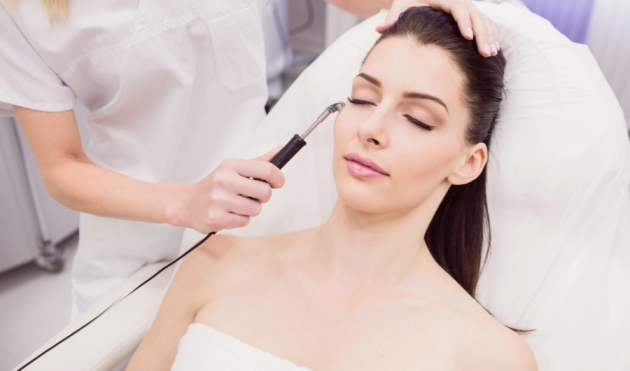
Electrolysis hair removal

Benefits of Electrolysis Hair Removal

Electrolysis, known for its long history of effectiveness, offers unique advantages:

  • Permanent hair removal: Unlike many other methods, electrolysis offers a permanent solution to unwanted hair. Once a follicle is treated, it will no longer produce hair, making it an ideal choice for those seeking a lifelong solution.
  • Versatility: Electrolysis works on all hair types and colors, making it suitable for virtually everyone. It is particularly beneficial for individuals with light hair, which may not respond as well to laser treatments.
  • Suitable for small and sensitive areas: Electrolysis is effective for treating small or sensitive areas of the body, such as the eyebrows, upper lip, and chin. It provides precise control, allowing for detailed and targeted treatment in hard-to-reach areas.
  • Safe for all skin types: Since electrolysis does not rely on pigmentation, it is safe for use on all skin tones, unlike laser hair removal, which can be less effective on darker skin tones.
  • No risk of hyperpigmentation: Electrolysis does not carry the same risk of pigmentation changes as laser hair removal. This makes it a safer option for individuals with darker skin tones.

Each method has its distinct advantages. The choice of electrolysis hair removal or laser hair removal depends on your skin type, hair color, treatment area, and long-term goals.

Electrolysis Hair Removal Cautions

While electrolysis is a safe and effective method, there are some things to consider before undergoing treatment:

  • Pain and Discomfort: Electrolysis may cause more discomfort compared to laser hair removal, especially in sensitive areas. The sensation is often described as a mild stinging or tingling. Topical numbing creams may be used to reduce discomfort, but it can vary depending on your pain tolerance.
  • Skin Irritation: After the treatment, you may experience slight redness, swelling, or irritation in the treated area. These symptoms are usually temporary and should resolve within a few hours to a few days. However, some individuals may experience longer-lasting skin irritation.
  • Multiple Sessions Required: Electrolysis often requires multiple sessions to achieve optimal results. Each treatment focuses on one follicle at a time, which means it may take longer to treat larger areas compared to laser hair removal.
  • Risk of Scarring: In rare cases, electrolysis can cause scarring, especially if the needle is inserted too deeply into the skin. This is why it is important to choose a skilled hair specialist who uses proper techniques and equipment.
  • Pre-Treatment Care: Like laser hair removal, it’s important to avoid sun exposure before electrolysis treatment. Tanning or sunburned skin may lead to increased sensitivity, which can cause additional discomfort during the procedure.

Electrolysis Hair Removal: Number of Sessions

Electrolysis is a gradual process that involves treating individual hair follicles one at a time. As a result, it often requires more sessions than laser hair removal, especially for larger areas.

  • Typical Number of Sessions: The number of sessions needed for electrolysis varies depending on the size of the area and the density of hair. Smaller areas, like the upper lip, may take around 10 to 15 sessions, while larger areas, such as the legs, may require 30 to 40 sessions or more.
  • Session Frequency: Electrolysis sessions are typically spaced about 1 to 2 weeks apart to allow the treated follicles to heal and to ensure that new hair growth is addressed. Because electrolysis targets each follicle individually, treatment times can be longer, especially in areas with dense hair.
  • Long-Term Results: After a series of treatments, electrolysis offers permanent hair removal. However, it is important to complete all recommended sessions to ensure that all hair follicles are properly treated and that hair regrowth is minimized.

Electrolysis Hair Removal Cost

Electrolysis is another popular method of permanent hair removal, but it generally requires more time and effort, which can influence the cost.

  • Factors Affecting Cost: The overall cost will depend on the number of sessions required, the density of hair, and the area being treated. Areas with dense hair growth may require more sessions, which increases the cost. Electrolysis is generally more time-consuming, so longer sessions can lead to higher costs.
  • Electrolysis Hair Removal Cost in Pakistan: In Pakistan, electrolysis treatments typically cost around PKR 2,500 to PKR 8,000 per session, depending on the treatment area and the number of follicles being treated. Larger areas or denser hair will require more sessions, leading to higher total costs.
  • Permanent Results: Despite the higher upfront cost, electrolysis offers permanent hair removal, making it a cost-effective option in the long term. After completing the necessary sessions, you can enjoy hair-free skin without the need for further treatments.

Finding Hair Removal Services Near You

Finding the right skin care clinic or specialist for your hair removal treatment is crucial to ensuring both safety and effectiveness. Searching for laser hair removal near me can help you identify qualified providers who offer the services you need.

Choosing a Reputable Clinic

When looking for a clinic, it’s important to choose one that uses up-to-date equipment and employs experienced professionals. Make sure the clinic has a reputation for safety and customer satisfaction. Reviews from past clients can be a great way to gauge the quality of service.

Electrolysis Hair Removal Near Me

Electrolysis is a less commonly offered service than laser hair removal, so it’s important to find a clinic with specialists trained in electrolysis. Look for clinics that offer consultations to discuss your hair removal goals and treatment plan.

Factors to Consider

Location, pricing, and equipment are essential factors when selecting a clinic. Ensure that the clinic offers a consultation before treatment, where they can assess your needs, discuss any potential risks, and explain the procedure in detail.

For those in Pakistan, specifically in Lahore, finding quality laser hair removal in Lahore services is important. Look for clinics with good reviews and experienced technicians who understand different skin types and hair concerns.

Hair Specialists & Expertise

When considering hair removal treatments, it’s essential to choose a hair specialist who is experienced and skilled in performing the procedure. Whether you’re opting for electrolysis hair removal or laser treatment, a qualified professional ensures that you receive the best possible treatment while minimizing the risks.

Experienced Professionals

A trained specialist can evaluate your skin type, hair color, and any medical conditions that may affect your treatment. At Cleo, Dr. Amna’s expertise ensures that each patient receives personalized care. The right specialist will assess the best approach for your unique needs, helping you achieve the best results.

Importance of Expertise

An experienced professional can reduce the risk of complications, such as burns, scarring, or pigmentation changes. They are also able to adjust the settings of the treatment based on your skin’s sensitivity and hair type to maximize the effectiveness of the procedure.

Consultations

During a consultation, a hair specialist will review your medical history, explain the procedure in detail, and discuss your expectations. This is an opportunity to ask questions, address concerns, and ensure that you are comfortable moving forward with the treatment.

A professional consultation and treatment performed by a skilled expert will help ensure that your hair removal process is safe and effective.

Conclusion

In conclusion, electrolysis hair removal and laser hair removal are effective methods for achieving long-term hair reduction. Each offers unique benefits depending on your needs and goals. Laser hair removal is quick, efficient, and ideal for larger areas, while electrolysis provides permanent results for those with fine or stubborn hair.

Searching for a dermatologist near me? Dr. Amna at Cleo offers expert advice and tailored care for laser and electrolysis treatments. Get long-lasting, smooth, hair-free skin with safe, effective procedures from a trusted professional.

Looking for electrolysis hair removal cost in Pakistan? Book a consultation for personalized pricing and boost results with expert-recommended skincare products from The Skin Theory.

FAQ’s:

Is electrolysis hair removal permanent?

Yes, electrolysis is the only FDA-approved method for permanent hair removal, as it destroys the hair follicle’s ability to regrow hair.

How much does electrolysis hair removal cost in Pakistan?

Electrolysis treatments in Pakistan typically cost between PKR 2,500 to PKR 8,000 per session, depending on the treatment area and session duration.

Does electrolysis hair removal work on all skin types?

Yes, electrolysis works effectively on all skin types and hair colors, including light, gray, or blonde hair that laser treatments can’t target.

How many electrolysis sessions will I need?

Most people require 10-15 sessions for small areas like the upper lip, while larger areas may need 30-40 sessions spaced 1-2 weeks apart.

Is electrolysis hair removal painful?

Electrolysis causes mild discomfort described as a stinging or tingling sensation, which can be reduced with topical numbing creams.

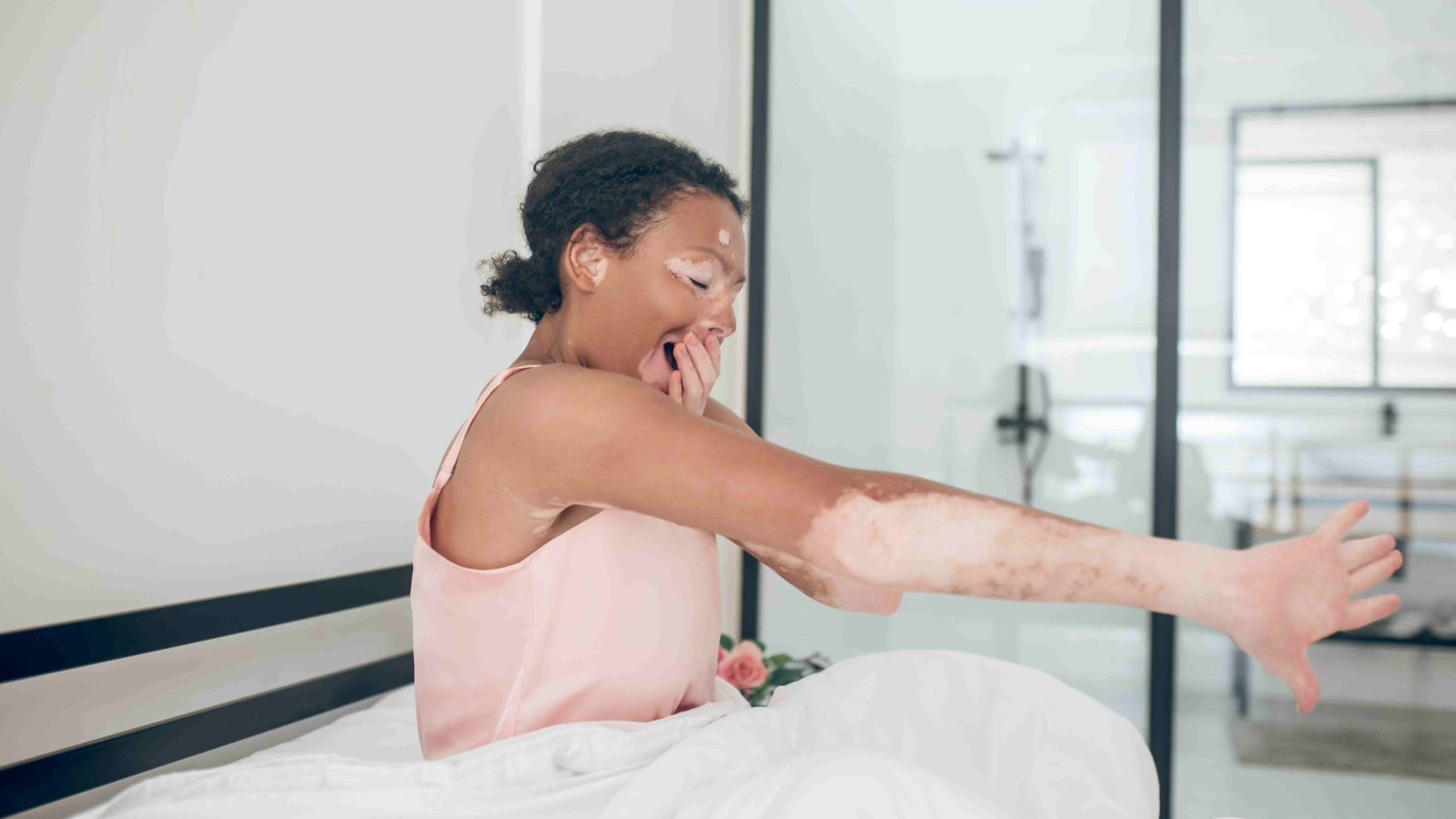
a-cute-young-mulatte-sitting-in-bed-and-looking-re-2024-10-16-23-13-13-utc_11zon

White Patches on Skin: Causes, Symptoms, and Treatment Options Explained

White spots on the skin when they initially show up can be concerning. These patches of hypopigmentation or depigmentation follow from reduced melanin synthesis in specific skin sites.  Usually benign, these varying colour changes might undermine confidence and suggest underlying medical issues. This extensive reference covers the numerous causes of white spots, their symptoms, appropriate treatment options, and when medical assistance is needed.

Typical Reasons for White Patches on Skin

Vitirigo

Affecting over 1-2% of the world’s population in all skin kinds and colours, vitiligo is a persistent autoimmune disorder. Characteristics:
  • Sharp-edged, completely white patches with total pigment loss
  • Symmetrical distribution on both sides of the body in many cases
  • Commonly affects the face, hands, armpits, groin, and around the body openings
  • May appear suddenly and gradually expand
Underlying Mechanism: Vitiligo occurs when the immune system mistakenly attacks and destroys melanocytes, the cells that produce melanin. This autoimmune response leads to complete depigmentation in affected areas. Who It Affects:
  • It can develop at any age, but typically appears before age 30
  • Equal prevalence across genders
  • Often has genetic components, with 30% of patients having a family history
  • More noticeable on darker skin tones, but equally common across all skin types

Tinea Versicolor (Pityriasis Versicolor)

This common fungal infection affects the skin’s pigmentation and is particularly prevalent in humid, warm climates. Characteristics:
  • Small, scaly patches that may be lighter or darker than the surrounding skin
  • Fine, dust-like scaling on the surface
  • Most common on the trunk, shoulders, and upper arms
  • May appear slightly pink on light skin or hypopigmented on darker skin
  • Often becomes more noticeable after sun exposure
Who It Affects:
  • Most common in adolescents and young adults
  • Increases in hot, humid weather
  • More common in people who sweat excessively
  • It can affect individuals who are immunocompromised

Pityriasis Alba

A common, mild skin condition that primarily affects children and young adults. Characteristics:
  • Pale pink or red, slightly scaly patches that eventually fade to white
  • Round or oval patches typically 0.5-2 cm in diameter
  • Primarily affects the face, especially the cheeks, but can appear on the upper arms, neck, and shoulders
  • Minimal to no symptoms beyond appearance
Who It Affects:
  • Most common in children aged 3-16
  • Often improves or resolves by adulthood
  • More visible in darker skin tones or after sun exposure
  • Slightly more common in those with atopic conditions

Idiopathic Guttate Hypomelanosis (Sunspots)

These small, porcelain-white spots develop commonly on sun-exposed areas over time. Characteristics:
  • Round or oval flat spots, typically 2-5 mm in diameter
  • Completely white with sharp borders
  • Appear primarily on sun-exposed areas: arms, legs, and face
  • Asymptomatic with no scaling or textural changes
Who It Affects:
  • More common in fair-skinned individuals
  • Prevalence increases with age, especially after 40
  • Affects up to 80% of people over age 70
  • More common in those with a significant sun exposure history

Milia

These small, white raised bumps are tiny keratin-filled cysts rather than true pigmentation disorders. Characteristics:
  • Raised, firm, pearl-like bumps 1-2 mm in size
  • White or yellowish
  • Most common around the eyes, cheeks, nose, and forehead
  • Painless and non-inflammatory
Who It Affects:
  • It can appear at any age
  • Common in newborns (neonatal milia)
  • May develop after skin injuries, blistering disorders, or certain medications
  • Can be associated with some genetic conditions

Post-Inflammatory Hypopigmentation

This temporary loss of skin color follows skin inflammation or injury. Characteristics:
  • White or lighter patches that correspond to sites of previous inflammation
  • Irregular shapes reflecting the original injury or inflammation
  • May gradually repigment over months to years
  • Sometimes accompanied by textural changes
Who It Affects:
  • It can occur at any age
  • More common and noticeable in medium to dark skin tones
  • Follows any inflammatory skin condition
  • Temporary, in most cases, with eventual repigmentation

Treatment Options by Condition

Vitiligo Treatment

Topical Therapies:
  • Corticosteroids: Medium-to-high potency for limited areas, with monitoring for side effects
  • Calcineurin inhibitors (tacrolimus, pimecrolimus): Particularly effective for facial involvement
  • Vitamin D analogs (calcipotriene): May stimulate melanocyte activity
Light-Based Therapies:
  • Narrow-band UVB phototherapy: 2-3 sessions weekly for several months
  • PUVA (psoralen plus UVA): More aggressive but higher risk of side effects
  • Excimer laser: Targeted treatment for smaller areas with higher success rates
Systemic Options:
  • Oral corticosteroids: Short courses for rapidly progressing disease
  • JAK inhibitors: Emerging treatments showing promise in clinical trials
  • Immunosuppressants: For severe, widespread cases
Surgical Approaches: For stable vitiligo unresponsive to other treatments:
  • Split-thickness grafting
  • Suction blister grafting
  • Melanocyte transfer
  • Punch grafting for small areas
Depigmentation: For extensive vitiligo (>50% body surface area):
  • Monobenzyl ether of hydroquinone permanently removes the remaining pigment
  • Creates a uniform appearance when repigmentation is unlikely

Tinea Versicolor Treatment

Topical Antifungals:
  • Selenium sulfide shampoo (2.5%): Applied to affected areas for 10 minutes daily
  • Ketoconazole shampoo or cream: Applied to affected areas for 1-2 weeks
  • Clotrimazole, miconazole: Applied twice daily for 2-4 weeks
Oral Antifungals: For extensive or resistant cases:
  • Fluconazole: Single weekly dose for 2-4 weeks
  • Itraconazole: Short-course therapy
  • Ketoconazole: Daily for 5-10 days
Maintenance Therapy:
  • Monthly prophylactic treatment during warm seasons
  • Selenium sulfide or ketoconazole shampoo is used once a month
Important Note: Pigmentation may take weeks to months to normalize after the fungus is successfully treated.

Pityriasis Alba Treatment

Moisturization:
  • Regular application of emollients to hydrate skin
  • Ceramide-containing moisturizers help restore the skin barrier
Anti-Inflammatory Options:
  • Low-potency topical corticosteroids for active, red phases
  • Topical calcineurin inhibitors (tacrolimus, pimecrolimus)
  • Coal tar preparations for persistent cases
Sun Protection:
  • Daily broad-spectrum sunscreen application
  • Proper sun protective clothing
  • Avoiding excessive sun exposure, which exacerbates contrast
Patient Education:
  • Reassurance about the benign nature and eventual resolution
  • Patience regarding repigmentation timeline (often 6-12 months)

Idiopathic Guttate Hypomelanosis Management

Cosmetic Approaches:
  • Sunless tanners to reduce contrast
  • Cosmetic camouflage products
Medical Interventions:
  • Topical retinoids to stimulate cell turnover
  • Mild dermabrasion techniques
  • Topical calcineurin inhibitors with limited success
  • Cryotherapy for selected lesions
Preventive Measures:
  • Comprehensive sun protection to prevent new spots
  • Regular use of high-SPF sunscreen
  • Protective clothing for sun-exposed areas

Milia Removal

Professional Extraction:
  • A sterile lancet to create a tiny opening
  • Gentle expression of keratin contents
  • Quick healing with minimal scarring risk
Topical Therapies:
  • Retinoids to increase cell turnover
  • Chemical exfoliants (AHAs, BHAs)
  • Adapalene or tretinoin for recurrent cases
At-Home Approaches:
  • Gentle exfoliation
  • Avoiding heavy, occlusive skincare products
  • Patience, as some milia resolve spontaneously

Post-Inflammatory Hypopigmentation Treatment

Time and Protection:
  • Natural repigmentation often occurs with time
  • Sun protection to prevent worsening contrast
  • Patience as melanocytes recover function
Active Interventions:
  • Topical retinoids to stimulate cell turnover
  • Low-potency corticosteroids if inflammation persists
  • Laser therapy for persistent cases
Treatment of Underlying Condition:
  • Managing primary skin condition (eczema, psoriasis, etc.)
  • Preventing future inflammation episodes
  • Proper wound care to minimize pigmentation changes

When to Seek Medical Attention

Consult a dermatologist when white patches:
  • Spread rapidly over short periods
  • Develop suddenly without an obvious cause
  • Affect sensitive areas (face, genitals, etc.)
  • Cause symptoms beyond appearance changes
  • Appear alongside other concerning symptoms
  • Significantly impact emotional well-being
  • Show signs of infection (warmth, increasing redness, pain)
  • Fail to improve with over-the-counter treatments

Conclusion:

From benign disorders to those needing professional medical treatment, white patches on the skin can have several origins. Choosing the appropriate treatment method depends on knowing the particular traits of every kind of white spot. Although many white spots are cosmetic, proper treatment starts with a correct diagnosis by a licensed professional. Searching for a dermatologist near me can help you get expert care. Most white spot issues improve significantly with the right management and supportive skincare products, restoring confidence and skin health. For professional dermatological advice, recommendations on eczema and vitiligo treatment, and skincare products suggested by doctors, Cleo.PK is your reliable source for skin health solutions in Pakistan.

FAQ’s:

1. From what sources do white skin patches most typically occur?

Among the most often occurring are vitiligo, tinea versicolor, pityriasis alba, idiopathic guttate hypomelanosis, and post-inflammatory hypopigmentation.

2. Are white skin patches communally contagious?

Except in cases like tinea versicolor, a fungal infection, most white patches are not communicable.

3. Can white patches disappear on their own?

Indeed, several disorders include post-inflammatory hypopigmentation and pityriasis alba often clear on their own over time without treatment.

4. About white patches, when should I consult a dermatologist?

See a doctor if patches develop rapidly, create symptoms, or don’t get better with simple treatment.

5. Exist therapies meant to bring normal skin colour?

Indeed, depending on the origin, therapies could call for cosmetic solutions, topical creams, antifungals, or light therapy.
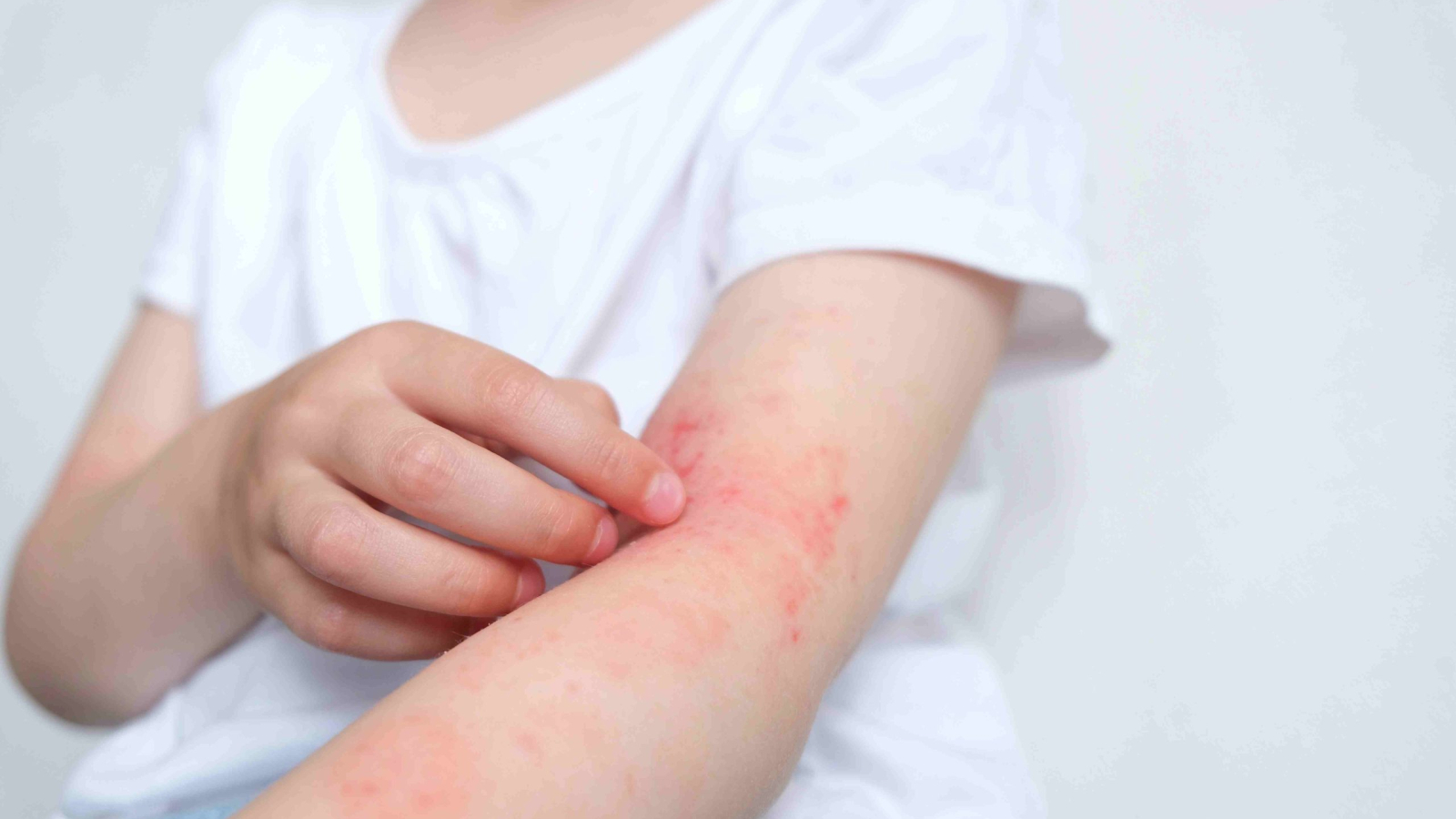
the-child-scratches-atopic-skin-2025-01-08-03-36-35-utc_11zon

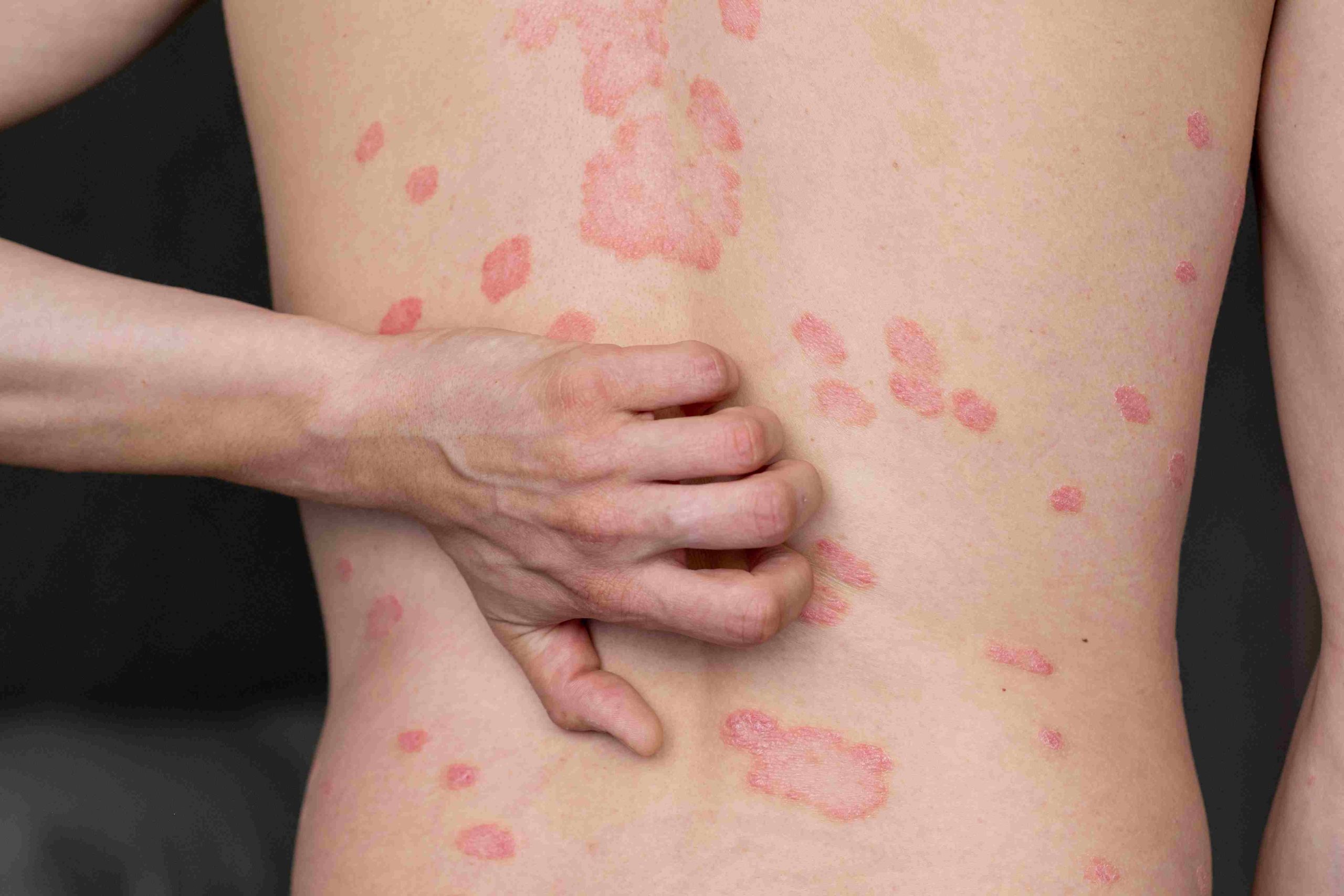
Key Differences Between Eczema and Psoriasis: A Comprehensive Guide

With eczema and psoriasis among the most common yet sometimes misdiagnosed dermatological problems, skin disorders can seriously affect quality of life. Although at first glance many disorders have similar symptoms, their different traits influence diagnosis and treatment. 

This thorough guide looks at the important variations between eczema and psoriasis to enable you to better identify their symptoms, understand these disorders, and find suitable treatment.

Visual Appearance: How to Tell Them Apart

Eczema’s Distinctive Look

Usually, eczema shows as reddish spots with ill-defined edges. On lighter skin tones, these patches show as pink to red with probable crusting and pimples. Eczema may show up on darker skin tones as little dry bump-filled dark brown, grey, or purple areas. 

During severe flares, the affected skin may ooze or leak and appear rough, puffy.

Characteristic Appearance of Psoriasis

Psoriasis shows itself as well-defined, thick plaques with silvery or white scales. More defined borders than eczema patches, these plaques are elevated. Accelerated skin cell proliferation causes the skin buildup seen in psoriasis to be thicker, with more inflammatory areas that do not mix into the surrounding skin as eczema does.

Location Patterns: Where They Typically Appear

Common Eczema Sites

Usually developing in skin fold areas or “flexor” surfaces, eczema

  • In the elbows
  • Behind knees
  • Front of the neck
  • Ankles and wrists
  • Particularly in young children, facial areas
  • Adult hands

Typical Locations for Psoriasis

Psoriasis has a distinct distribution pattern and usually affects:

  • Extensor surfaces, such as the knees’ and elbows’ exterior surfaces
  • Scalp and haversine
  • Lower back
  • Nails (pitting, discoloration)
  • ears and behind ears
  • Soles and palms, especially in some kinds

Usually, one of the first hints for differentiating between these disorders is the location difference.

Sensation Variations: Itches against Pain

The sensory perception of these disorders is somewhat different:

The severe itching of eczema

The hallmark of eczema is intense itching (pruritus), which can:

  • Get strong enough to cause disturbance of sleep.
  • Lead to a destructive cycle of scratch-itch.
  • worse at night
  • cause great misery and lower quality of living.

The Burning Sensation of Psoriasis

Although psoriasis can cause itching, usually it is marked by:

  • Burning or stinging experiences
  • Mild to moderate itching (less than in eczema)
  • Skin stiffness and discomfort, particularly during flares
  • More discomfort than strong itching

Immune System Involvement

Both disorders include malfunction of the immune system, albeit via different channels:

Eczema’s Immune Reaction

Eczema is the outcome of an excessive immune response, including:

  • T-cells of Th2 predominance
  • Relation with inflammation of the allergic kind
  • Potential hereditary elements influencing the function of skin barriers
  • Many patients have filaggrin gene mutations.

The immune system mechanism of psoriasis

Psoriasis results from another immunological mechanism involving:

  • Th1 and Th17 T-cell activation
  • Generating particular inflammatory cytokines
  • speeded-up skin cell turnover—days rather than weeks
  • Involvement of the immune system is usually employed in the fight against bacterial and fungal infections

These different immune systems help to explain why medications aiming at particular pathways benefit one ailment but not the other.

Age of Beginning and Demographics

Furthermore, unique characteristics of these disorders are their frequency and timing, which provide:

Eczema Patterns 

  • Affect roughly thirty million Americans
  • Usually starts in childhood, often before age five.
  • With ageing, it  may either improve or resolve
  • Common in homes where allergies or asthma run in the family

Psoriasis

  • Affects around 8 million Americans.
  • usually shows up after age 18.
  • often lasts all of life.
  • May exhibit family trends devoid of significant allergic links.

Sets off and influences Flare Factors

Knowing the reason for flares will assist one in controlling their condition:

Often used Eczema Set off

  • environmental allergies (pet dander, dust mites)
  • Sensitivities or food allergies
  • Strong cleansers, detergents, and perfumes
  • Some fabrics (particularly synthetic fibres and wool)
  • Anxiety and stress
  • Changing weather and sweating
  • Hormonal swings

Typical Psoriasis: Causes

  • Trauma or skin injuries ( Koebner phenomenon)
  • Diseases, especially streptococcal
  • Some drugs, including lithium and beta-blockers,
  • dry, frigid conditions
  • Alcohol intake
  • Stress from Smoking
  • Sunburn Remedial Strategies

Treatment Approaches

While some treatments cross over, many are condition-specific:

Eczema Treatment Choices

  • Frequent emollient-based moisturising
  • Topical corticosteroids to reduce inflammation
  • Calcineurin inhibitors (TCIs) topically
  • Antihistamines are used in the treatment of itching
  • Biologics aiming at particular immunological channels (such as dupilumab)
  • JAK inhibitors in more severe instances
  • Therapy with wet wraps
  • Taking care of allergies and triggers

Treatment Approaches for Psoriasis

  • Topical treatments—corticosteroids, vitamin D analogues)
  • Phototherapy (UVB or PUVA)
  • Methotrexate, cyclosporine, or another systemic drug
  • Biologics aimed at TNF-alpha, IL-17, IL-23—different from eczema biologics
  • Retinal medications orally
  • Making coal tar preparations
  • Salicylic acid for the reduction of scale

Conditions and Comorbidities

Every illness raises different related health issues:

Eczema. Comorbidity

  • Asthma
  • Allergy rhinitis
  • Food allergies:
  • Sleep disturbances brought on by itching
  • Higher chance of skin infections
  • More sadness and anxiety

Psoriasis Comorbidities

Psoriatic arthritis (affects thirty percent of individuals)

Cardiovascular ailment

Syndrome of metabolic change

Diseases of inflammation in the gut tracts

Increased susceptibility to depression

Possible relationship with other autoimmune diseases

Daily Maintenance and Lifestyle Issues

Beyond medical care, lifestyle changes are quite important:

Living with eczema

  • Mild skincare regimens using items free of fragrances
  • cotton bedding and clothes
  • Dry environment humidifiers
  • Develop tactics for trigger avoidance.
  • Regular schedule of moisturising
  • Methodologies of stress management
  • Brief lukewarm showers or baths

Having Psoriasis: Living

  • Constant exfoliation helps control scales.
  • Moisturising using thicker ointments
  • Preventing skin damage wherever is at least possible
  • Sun exposure (moderate, measured levels)
  • Anti-inflammatory dietary concerns
  • Managing weight
  • Limit on alcohol
  • Quit smoking

When should someone see a dermatologist?

Professional evaluation is indispensable for:

  • Correct diagnosis between psoriasis and eczema
  • Extreme or pervasive symptoms
  • Problems not responding to over-the-counter remedies
  • Signs of an infection: yellowish discharge, more discomfort, fever
  • Joint pain or swelling—possible psoriatic arthritis
  • major influence on emotional or quality of life

Conclusion:

Although at first glance eczema and psoriasis seem identical, their differing appearances, locations, sensations, causes, and treatment techniques make them separate diseases needing different care strategies. 

Knowing these variations will enable you to take suitable action towards controlling your skin condition and interact more successfully with medical professionals.

For expert advice, dermatologist-recommended skincare products, and support in managing conditions like vitiligo and eczema, visit Cleo.pk, your trusted resource for skincare products from The Skin Theory and finding a dermatologist near me in Pakistan.

FAQ’s:

1. How is eczema visually different from psoriasis is mostly?

Whereas psoriasis shows thick, scaly plaques with sharp edges, eczema exhibits red, leaking areas with less-defined borders.

2. Where usually do eczema and psoriasis show up?

While psoriasis typically shows on extensor surfaces like the elbows, knees, and scalp, eczema sometimes affects skin folds (elbows, knees).

3. Psoriasis vs eczema: Which condition itches more?

While psoriasis may produce burning or stinging with mild to moderate itching, eczema is usually itchier and more acute.

4. Do psoriasis and eczema have separate causes?

Indeed, allergies and irritants often cause eczema; psoriasis flares with skin damage, infections, or stress.

5. Can one treat psoriasis and eczema the same way?

Not exactly; certain therapies cross, but psoriasis usually calls for separate drugs, particularly biologics aimed at particular immune pathways.

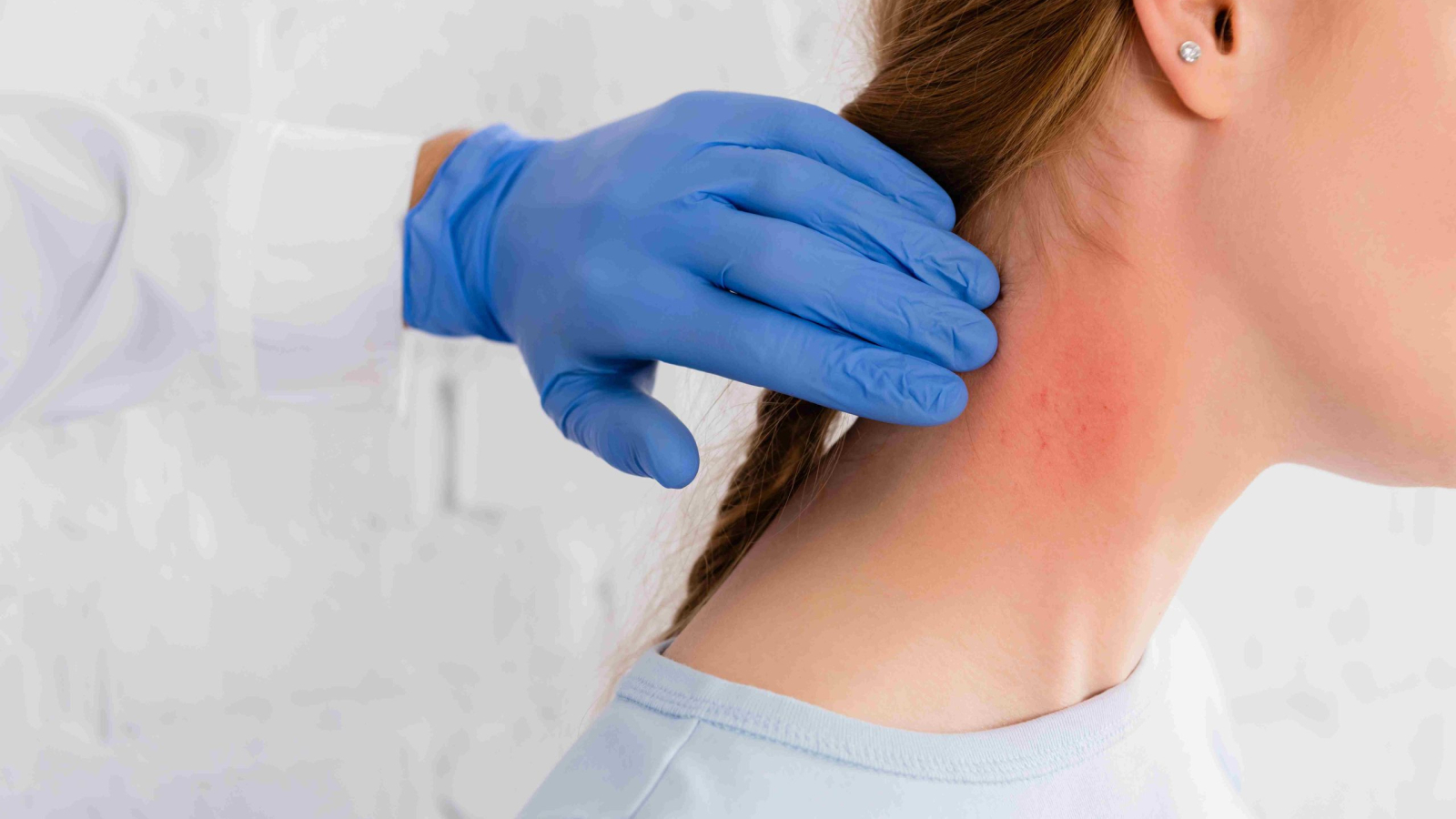
cropped-view-of-doctor-in-latex-glove-touching-nec-2024-11-19-20-54-43-utc_11zon

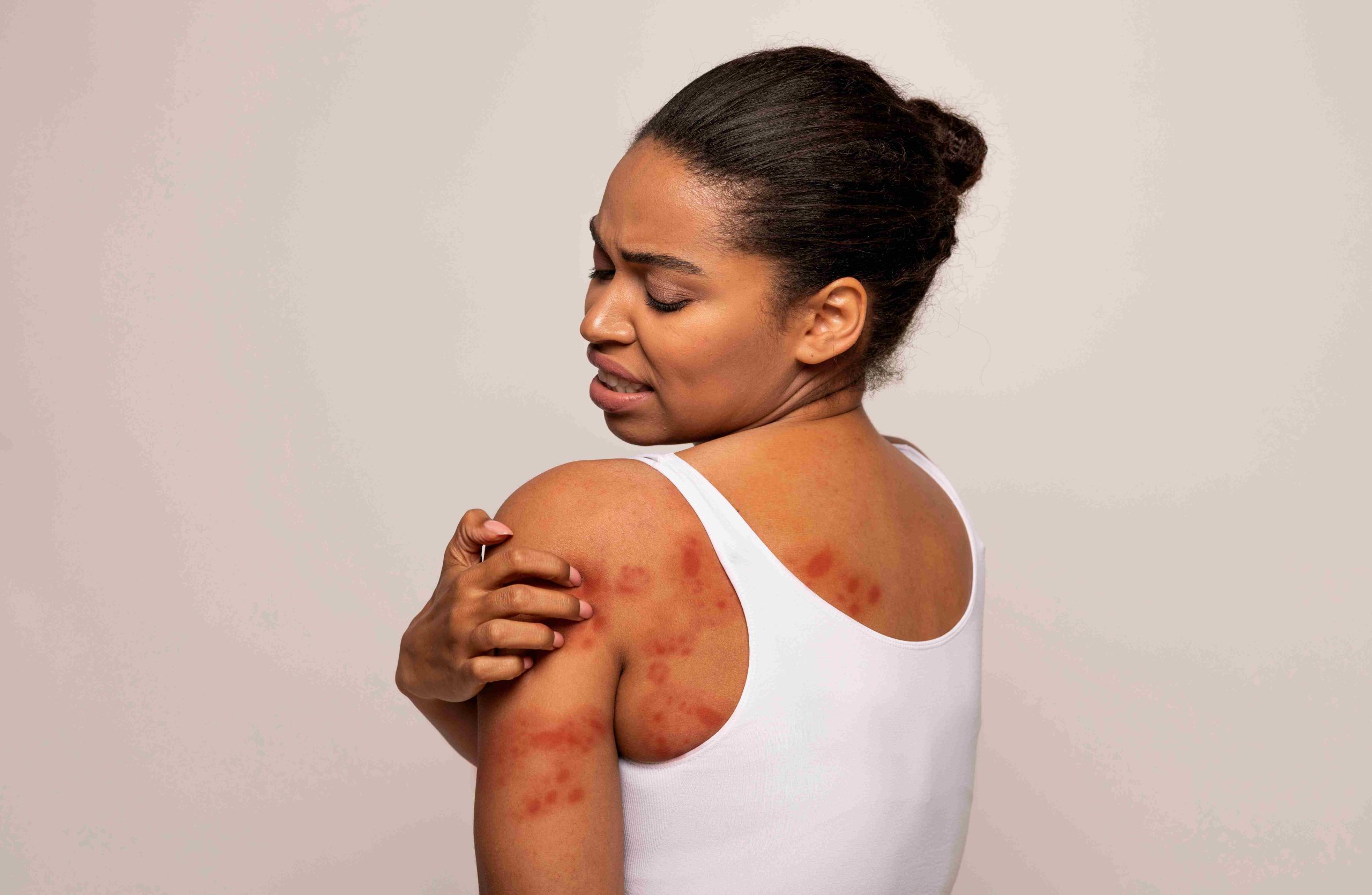
How to Relieve Eczema Itching: Expert-Backed Tips for Effective Relief

The unrelenting itch of eczema can seriously affect quality of life by interfering with daily activities, attention, and sleep. Often regarded as the most incapacitating symptom of this chronic skin ailment, this extreme itching, called pruritus, is medically known as. 

Although scratching could offer temporary relief, it eventually aggravates inflammation and causes the infamous “itch-scratch cycle” that can damage skin and slow down recovery. This thorough guide investigates evidence-based techniques combining established natural remedies with medical interventions to control eczema itching.

Understanding the Eczema Itch Mechanism

Eczema itching is not only a physical feeling. It comes from complicated inflammatory and neurological processes:

The inflammatory cascade

When eczema develops, the immune system releases inflammatory molecules like histamines, cytokines, and neuropeptides that activate specialised skin nerve fibres known as C-fibers. These nerve fibres send signals of itching to the brain, therefore inspiring the need to scratch.

Skin Barrier Compromised

In eczema, the compromised skin barrier lets irritants get through more readily, increasing sensitivity and aggravating the itching feeling. Additionally, resulting from this barrier malfunction is moisture loss, which causes dry skin that aggravates itching.

Psychological Aspects

Those with eczema generally have increased neural sensitivity; studies of their central nervous system reveal various ways in which they receive itch signals. This neurological element helps to explain why symptoms can be triggered or exacerbated by stress, worry, and even itching-related thoughts.

Medical Treatments for Eczema Aching

These clinically validated treatments aim at the fundamental reasons for eczema itching:

Topical Corticosteroids:

These anti-inflammatory drugs lower skin immune system activity.

  • Found in several potencies ranging from moderate (hydrocortisone) to super-potent formulations.
  • most successful when applied to moist skin following a bath
  • Should be taken in line with recommended schedules to prevent negative effects, including skin thinning.
  • Often used in concert with moisturisers in a “soak and seal” strategy

Calcineurin Inhibitors: Topical

Non-steroidal prescription drugs altering immune response:

Protopic, Tacrolimus; Elidel, pimecrolimus, lowers inflammation without shrinking skin, especially helpful in delicate regions such as the neck, face, and skin folds.

May, upon application, cause stinging or brief burning.

PDE4 Suppressors

  • A more recent prescription choice that blocks phosphodiesterase 4, an enzyme linked to inflammation, is Crisaborole (Eucrisa).
  • Applied anywhere on the body impacted by eczema
  • fitting for patients as early as three months old

Antihistsamines

Although several antihistamines may aid, less effective for direct itch alleviation than previously believed.

  • Mostly addressing sleep disturbance from nighttime itching, sedating antihistamines such as diphenhydramine (Benadryl) help.
  • Although they may help with allergic triggers, non-sedating antihistamines have little effect against eczema itch.
  • should be used as advised, especially with young children.

Biologic Medicines

For severe, treatment-resistant eczema:

  • Dupilumab (Dupixent) aims at particular inflammatory processes linked to eczema.
  • Given every two weeks by injection,
  • greatly lessens itching in many patients with mild to severe atopic dermatitis

Natural Methods Based on Evidence

Scientific evidence supports these natural treatments in helping with eczema itching:

Coloidal Muesli

This finely milled oatmeal makes skin protection and anti-inflammatory effects clear-cut.

  • Includes avenanthramides, substances having proven anti-itch action.
  • Available as pure powder for bathing or in commercial bath products.
  • Clinical trials reveal notably less itching than in a placebo.

Applied for spot therapy as a paste straight on irritated skin

Therapist Cold

Reducing the skin’s temperature stops the signs of itching:

  • Applied for five to ten minutes, cold compresses lower nerve activity and narrow blood vessels.
  • Temporary comfort can come from cool showers or baths (not cold).
  • Refrigerated moisteners provide barrier protection as well as a cooling effect.
  • Longer-lasting relief comes from specialised anti-itch gel packs and cooling wraps.

Therapist Wet Wraps

This focused moisture treatment greatly lessens itching:

  • Apply moisturiser and/or topical medicine to damp skin.
  • Wrap impacted areas with gauze or a moist cloth.
  • Cover with a dry layer—that of clothing or an extra wrap.
  • Leave overnight or on a six-hour schedule.
  • Especially successful for severe flares and strong itching

Apple Vinegar for Cider

Its antibacterial and pH-balancing qualities could bring relief.

  • must be appropriately diluted—one cup per full bathtub or one tablespoon per cup of water for compresses.
  • Not suggested for broken skin or open wounds
  • Stop if burning or irritation results.
  • It can help lower bacterial colonisation that fuels the itching.

Important Supplements for Essential Fatty Acids

Internal supplements could help to enhance skin barrier performance:

  • Gamma-linolenic acid (GLA) present in evening primrose oil
  • Fish oil supplies omega-3 fatty acids that help to control inflammation.
  • Consistency is essential; benefits call for consistent use over weeks to months.
  • Quality and dosage; see doctors for direction.

Lifestyle and Environmental Changes

These tweaks control and avoid triggers for itching:

Fabric Choices

Choice of clothing greatly affects comfort with eczema:

  • TENCELTM, bamboo, and 100% cotton fabrics ease irritation.
  • Steer clear of synthetic mixes, polyesters, and wool that trap heat and aggravate skin.
  • Eliminate garment tags and reduce your contact with rough seams.
  • New clothes should be washed before you wear them to eliminate manufacturing chemicals.
  • Choose sensitive skin-friendly, fragrance-free, dye-free laundry detergents.

Humidity and Temperature Control

Environmental factors strongly influence itch sensation:

  • Maintain indoor humidity between 45-55% with humidifiers in dry seasons
  • Keep room temperatures cool (68-72°F/20-22°C) to prevent overheating
  • Use cotton bedding and avoid down/feather pillows that retain heat
  • Consider air purifiers to reduce airborne allergens that trigger flares

Bathing Practices

Proper bathing techniques preserve skin barrier function:

  • Use lukewarm (not hot) water for 5-10 minutes maximum
  • Clean with gentle, fragrance-free cleansers specifically formulated for sensitive skin
  • Pat skin partially dry, leaving it slightly damp for moisturizer application
  • Apply prescribed medications, followed by moisturizer, within 3 minutes after bathing
  • Limit bathing frequency during severe flares

Stress Management Techniques

Psychological interventions reduce neurogenic itch:

  • Progressive muscle relaxation reduces stress-induced flares
  • Mindfulness meditation decreases itch intensity in clinical studies
  • Cognitive behavioral therapy helps break the itch-scratch habit
  • Regular physical activity reduces stress hormones that trigger inflammation

Specialized Approaches for Nighttime Itching

Sleep disruption from eczema itching creates a vicious cycle of flares and fatigue:

Bedroom Environment Optimization

Create a sleep-friendly setting:

  • Keep bedroom cool (65-68°F/18-20°C) and use breathable bedding
  • Use dust mite-proof coverings on mattresses and pillows
  • Vacuum often with HEPA filtration
  • Consider removing carpeting in bedrooms if possible

Pre-Bedtime Routine

Prepare skin for the night:

  • Take a quick lukewarm bath with colloidal oatmeal
  • Apply prescribed meds according to your treatment plan
  • Use richer moisturizing creams at night than throughout the day
  • Consider wet wrapping for severe flares

Scratch Prevention During Sleep 

Physical barriers inhibit unconscious scratching:

  • Cotton gloves or mittens avoid direct skin touch.
  • Children’s specialised sleepwear with integrated mittens helps to avoid nail damage.
  • Keeping nails filed smooth and short helps to lower damage chances.
  • During waking hours, one can practise distraction strategies such as pressure instead of scratching to create different reactions.

When should one visit a doctor?

While self-management techniques have benefits, professional care is vital when:

  • For many nights, itching seriously disturbed sleep.
  • Skin seems infected (oozing, yellow crust, more discomfort, warmth).
  • Once useful medications no longer control symptoms.
  • Eczema either affects the face and delicate areas or covers vast body areas.
  • Emotional suffering from itching influences daily performance.
  • New symptoms arise that have not been seen before in the evaluation.

Emerging Treatments for Itch Relief

Research keeps coming out with fresh itch-specific treatments:

Jak Agents of Inhibition

A class of drugs showing promise that:

  • Block Janus kinase enzymes related to immune signalling
  • More precisely than previous medications, target itch pathways.
  • Presented in both oral and topical forms.
  • Show a notable fast decrease in clinical studies related to itching

Modulators of Transient Receptor Potential (TRP) channels

These molecules aim at particular itch receptors:

  • Important functions in the itching sensation are played by TRPV1 and TRPA1 channels.
  • The development of topical preparations aims to inhibit these receptors.
  • It could offer focused relief free from systematic side effects.

Therapies based on Microbes

New treatments emphasising skin bacterial balance:

  • Many times, those with eczema have imbalanced skin microbiomes.
  • Prebiotics and topical probiotics could help restore normal bacterial variety.
  • Early studies promise to lower itching and inflammation.

Conclusion:

Managing eczema itching successfully calls for a multimodal strategy combining lifestyle changes, natural remedies, and medical therapies. Most people can get notable alleviation by knowing the causes of eczema itch and following these evidence-based guidelines. Recall that different people respond differently to treatment; what helps one person may not help another. 

Work with healthcare professionals to create a customised itch control strategy and be tenacious in identifying your ideal mix of treatments. For dermatologist-approved skincare solutions, treatment guidance, and expert support in Pakistan, Cleo.pk is your trusted partner in skin health.

FAQ’s:

1. Why does eczema itching have such intensity?

Inflammation, a compromised skin barrier, and increased nerve sensitivity in skin afflicted by eczema set off it.

2. For eczema itch, which medical therapies are most successful?

PDE4 drugs, calcineurin inhibitors, topical steroids, and biologics like Dupixent can all help greatly lessen itching.

3. Can natural therapies ease eczema itching?

Indeed, found to be relieving include cold compresses, wet wrap treatment, and colloidal oatmeal baths.

4. How may I stop evening eczema itching?

Thicker moisturisers, chill the bedroom; wear cotton gloves; and think about damp wraps before bed.

5. When should I see a doctor about eczema itching?

If itching interferes with sleep, symptoms of an infection show up, or present therapies cease working, get help.

Untitled design (20)

Hair Removal Options: A Complete Guide to Choosing the Best Method for You

Your skin type, hair texture, pain tolerance, budget, and desired outcomes will all affect your unique decision about hair removal. This guide will assist you in identifying the ideal approach for your situation, whether your search is for a temporary repair or a permanent one.

Understanding Your Hair Removal Needs

Think about it before deciding on a technique:
  • Skin type and any medical disorders define your sensitivity.
  • Attributes of hair: Density, coarseness, and colour
  • Treatment area: Variations in body areas correspond with different sensitivity levels.

Techniques of Temporary Hair Removal

Shaving: The Everyday Fix

What It Is: Razor-based cutting of hair at skin level. Best For: Anybody’s quick, painless hair removal needs. Effectiveness spans one to three days. Pain Level: None or minimal Affordable, fast, and works for all hair and skin types. Cons: Possibly razor burns and ingrown hairs; very short-lasting effects. Initially $5–30; monthly for replacements, $10–20.

Chemical Option: Depilatory Creams

Chemical formulations break down surface hair from the skin. For those seeking lengthier results than shaving without discomfort. Three to five days is the effectiveness. Pain Level: Might make one tingle. Benefits include less danger of cuts, effects persist longer than shaving, and softer hair regrowth. Cons: Not perfect for sensitive regions; chemical smell; possible skin irritation. Cost: $4–6 applications worth of $8–15 per bottle

Root Removal Techniques

Waxing according to the Salon Standard What It Is: Pull hair from the root with wax. Best for several body locations with medium to coarse hair. Three to six weeks is the effectiveness range. Pain Level: Moderate Long-lasting effects, hair regrows finer over time, and exfoliates skin are pros. Cons: Potential for irritation; painful; needs hair growth before treatment. Professional ($15–100+), At-home kits ($25–50)

Sugaring: The Organic Substitute

What It Is: Old method pulling hair from the root using sugar paste. Ideal for sensitive skin and fine to medium hair is Effectiveness: Three to six weeks Pain Level: Moderate to mild Pros: Less painful than waxing, all-natural chemicals reduce ingrown hair. Cons: Less successful on coarse hair; technique challenging to learn at home. Professional ($20-95), At-home components ($10–15)

Epilating: the electric alternative

What It Is: Several tweezers are electric tools designed to extract hair from the root. For medium to coarse hair on legs, arms, and gently around the bikini line. Two to four weeks is the effectiveness range. Pain Level: moderate to high Benefits include cost-effective over-time, long-lasting effects that can be used on shorter hair. Cons: Initial outlay, difficult for novices, time-consuming for big regions. Cost: $40–200 one-time buy-through

Precision via Threading: Methodology

What It Is: An Old method of catching and dragging hair with twisted cotton thread. Especially eyebrows and upper lip, facial hair is best for. Effectiveness falls between two and four weeks. Level of Pain: Moderately Benefits include great sensitivity for sensitive skin, no chemicals, and extreme exactness. Cons: Not useful for vast areas; limited to small areas; calls for professional knowledge. Cost: $10–30 every session (eyebrows, upper lip)

Long-term and permanent techniques

Laser Hair Elimination: The Modern Fix What It Is: Targeting melanin in hair follicles, concentrated light helps to stop development. Best for dark hair and several body parts. After six to twelve sessions, effectiveness is semi-permanent; annual maintenance touch-ups are required. Pain Level: Moderate—akin to rubber band snaps—described here Benefits include precision targeting, a notable decrease in hair growth, and semi-permanent outcomes. Cons: costly; calls for several treatments; less successful on blonde or grey hair. Cost: $150–500 every session; usually, six to eight sessions are needed

Electrolysis: The Only FDA-Approved Permanent Fix

What electric current does is kill individual hair follicles. Ideal for all hair colours and skin types, particularly in places needing accuracy. Efficiency: Following 15 to 30 sessions, permanently Level of Pain: Moderately to very Pros: works on all hair colours, produces permanent results, suitable for all skin tones. Cons: Time-consuming, uncomfortable without numbing; calls for several treatments. Cost: $45–150 hourly; several hours required

Dermaplaning: The Exfoliation with Two Purposes

What it is: dead skin and facial hair removal technique using a surgical scalpel For facial peach fuzz and skin exfoliating, best. Two to four weeks is the effectiveness range. Pain Level: None at all to minimal Two advantages of exfoliation and hair removal include a smooth canvas for makeup application. Cons: Only appropriate for the face, transient effects, risk of nicks should done incorrectly. Professional ($75–150) At-home tools ($15–200)

Choosing the Right Method: Quick Selection Guide

By Skin Type

Sensitive Skin: Dermaplaning, threading, suging Prone to acne: threading, cautious sugaring Mature Skin: Threading, sugaring, laser (under professional direction)

Using Hair Type

Fine hair: dermaplaning, sugaring, threading Waxing, laser, and electrolysis produce coarse hair. Blonde/Gray Hair: Laser is useless; electrolysis

Within the Body Region

Face: Dermaplaning, threading, gentle waxing, or sugaring Underarms: waxing, shaving, laser Legs, arms: shaving, waxing, epilating, laser Professional waxing/sugaring, laser, cautious shaving—bikini Back/ Chest: Waxing, laser, shaving under direction

Common Concerns and Solutions

Ingrown Hairs

Exfoliate two to three days before and after treatment; moisturise every day; stay away from tight clothes. Treat with salicylic acid-based chemical exfoliants.

Hyperspigmentation

After hair removal, always use SPF 30+ and pick suitable techniques for your skin tone. Products containing vitamin C or niacinamide can help alleviate current hyperpigmentation.

Skin Irritation: 

Patch, try new products or techniques, and follow correct pre- and post-care. Treat with hydrocortisone cream and fragrance-free moisturisers.

Special Considerations

Hormonal Conditions

Conditions like PCOS call for a thorough approach combining medical control with hair removal techniques.

Pregnancy

Throughout pregnancy, safer choices include professional sugaring, threading, and shaving. Steer clear of electrolysis, laser, and chemical depilatories.

Conclusion:

Finding your ideal hair removal method involves balancing effectiveness, pain tolerance, and budget. Consider starting with temporary methods before investing in permanent solutions.  Cleo.pk for professional consultation and quality hair removal treatment in Pakistan. Our experts can help match you with the perfect hair removal solution for your unique needs, ensuring smooth, comfortable results that fit your lifestyle and preferences.

FAQ’s:

Does shaving cause hair to come back thicker?

No, the blunt edge shaving makes it seem harsher.

Can a laser treat blonde hair?

On blonde hair, traditional lasers are useless; electrolysis is advised rather.

How can I cut down on waxing discomfort?

Plan after your menstruation; take painkillers before; and use numbing cream.

Is typical skin darkening following hair removal?

Particularly in darker complexions, it can show up as post-inflammatory hyperpigmentation.

Which among at-home and professional treatments best suits me?

Think through your skill level, time restrictions, and money.

How soon after hair removal can I tan?

Wait a minimum of 24 to 48 hours following any hair removal technique before sun exposure.

Can I mix many approaches to hair removal?

Indeed, results from combining several techniques for different body parts are usually best.