Untitled design (20)

Hair Removal Options: A Complete Guide to Choosing the Best Method for You

Your skin type, hair texture, pain tolerance, budget, and desired outcomes will all affect your unique decision about hair removal. This guide will assist you in identifying the ideal approach for your situation, whether your search is for a temporary repair or a permanent one.
Understanding Your Hair Removal Needs

Think about it before deciding on a technique:
  • Skin type and any medical disorders define your sensitivity.
  • Attributes of hair: Density, coarseness, and colour
  • Treatment area: Variations in body areas correspond with different sensitivity levels.

Techniques of Temporary Hair Removal

Shaving: The Everyday Fix

What It Is: Razor-based cutting of hair at skin level. Best For: Anybody’s quick, painless hair removal needs. Effectiveness spans one to three days. Pain Level: None or minimal Affordable, fast, and works for all hair and skin types. Cons: Possibly razor burns and ingrown hairs; very short-lasting effects. Initially $5–30; monthly for replacements, $10–20.
Chemical Option: Depilatory Creams

Chemical formulations break down surface hair from the skin. For those seeking lengthier results than shaving without discomfort. Three to five days is the effectiveness. Pain Level: Might make one tingle. Benefits include less danger of cuts, effects persist longer than shaving, and softer hair regrowth. Cons: Not perfect for sensitive regions; chemical smell; possible skin irritation. Cost: $4–6 applications worth of $8–15 per bottle

Root Removal Techniques

Waxing according to the Salon Standard What It Is: Pull hair from the root with wax. Best for several body locations with medium to coarse hair. Three to six weeks is the effectiveness range. Pain Level: Moderate Long-lasting effects, hair regrows finer over time, and exfoliates skin are pros. Cons: Potential for irritation; painful; needs hair growth before treatment. Professional ($15–100+), At-home kits ($25–50)

Sugaring: The Organic Substitute

What It Is: Old method pulling hair from the root using sugar paste. Ideal for sensitive skin and fine to medium hair is Effectiveness: Three to six weeks Pain Level: Moderate to mild Pros: Less painful than waxing, all-natural chemicals reduce ingrown hair. Cons: Less successful on coarse hair; technique challenging to learn at home. Professional ($20-95), At-home components ($10–15)

Epilating: the electric alternative

What It Is: Several tweezers are electric tools designed to extract hair from the root. For medium to coarse hair on legs, arms, and gently around the bikini line. Two to four weeks is the effectiveness range. Pain Level: moderate to high Benefits include cost-effective over-time, long-lasting effects that can be used on shorter hair. Cons: Initial outlay, difficult for novices, time-consuming for big regions. Cost: $40–200 one-time buy-through

Precision via Threading: Methodology

What It Is: An Old method of catching and dragging hair with twisted cotton thread. Especially eyebrows and upper lip, facial hair is best for. Effectiveness falls between two and four weeks. Level of Pain: Moderately Benefits include great sensitivity for sensitive skin, no chemicals, and extreme exactness. Cons: Not useful for vast areas; limited to small areas; calls for professional knowledge. Cost: $10–30 every session (eyebrows, upper lip)

Long-term and permanent techniques

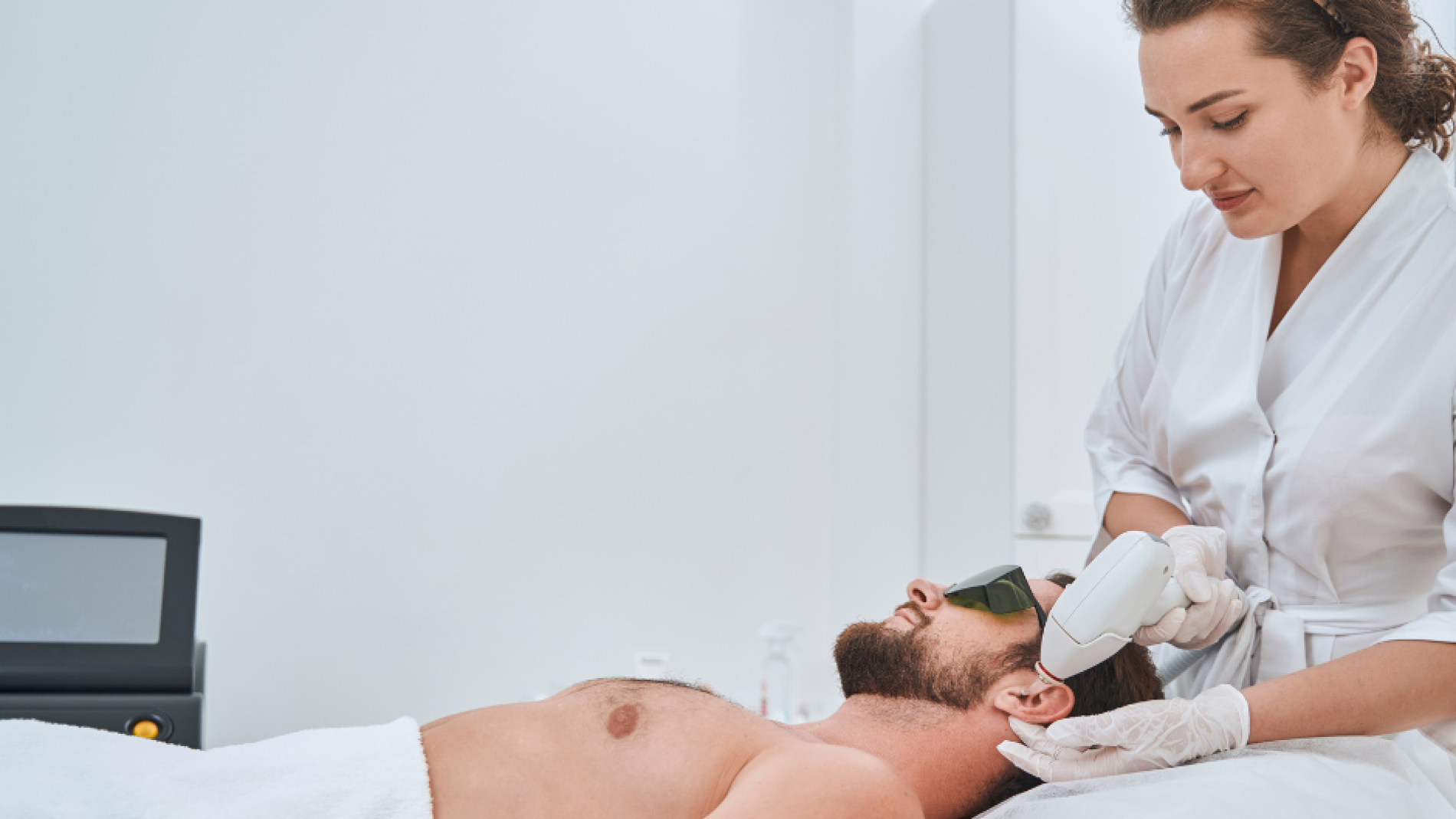
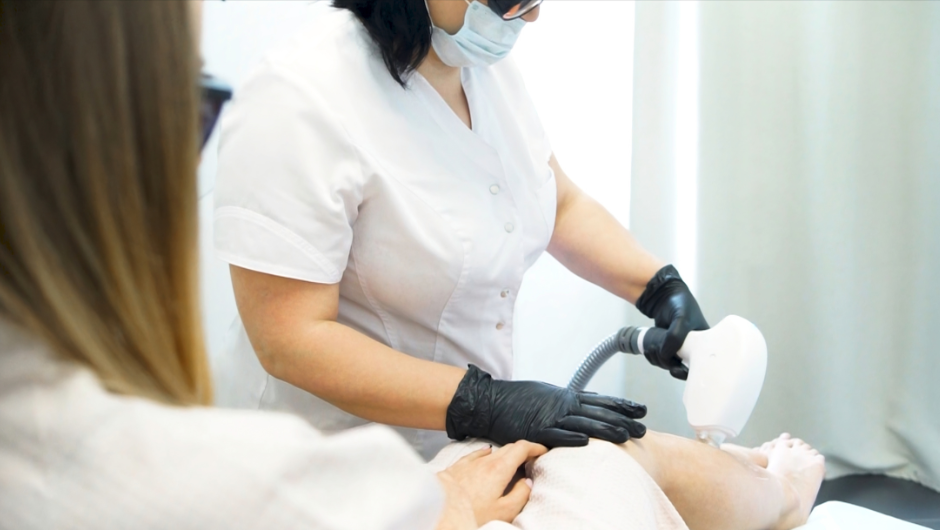
Laser Hair Elimination: The Modern Fix What It Is: Targeting melanin in hair follicles, concentrated light helps to stop development. Best for dark hair and several body parts. After six to twelve sessions, effectiveness is semi-permanent; annual maintenance touch-ups are required. Pain Level: Moderate—akin to rubber band snaps—described here Benefits include precision targeting, a notable decrease in hair growth, and semi-permanent outcomes. Cons: costly; calls for several treatments; less successful on blonde or grey hair. Cost: $150–500 every session; usually, six to eight sessions are needed
Electrolysis: The Only FDA-Approved Permanent Fix

What electric current does is kill individual hair follicles. Ideal for all hair colours and skin types, particularly in places needing accuracy. Efficiency: Following 15 to 30 sessions, permanently Level of Pain: Moderately to very Pros: works on all hair colours, produces permanent results, suitable for all skin tones. Cons: Time-consuming, uncomfortable without numbing; calls for several treatments. Cost: $45–150 hourly; several hours required

Dermaplaning: The Exfoliation with Two Purposes

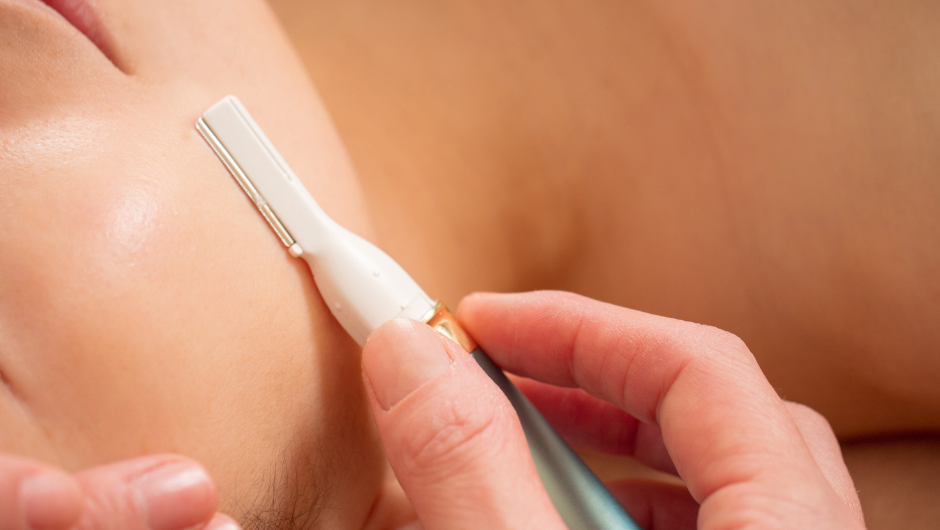
What it is: dead skin and facial hair removal technique using a surgical scalpel For facial peach fuzz and skin exfoliating, best. Two to four weeks is the effectiveness range. Pain Level: None at all to minimal Two advantages of exfoliation and hair removal include a smooth canvas for makeup application. Cons: Only appropriate for the face, transient effects, risk of nicks should done incorrectly. Professional ($75–150) At-home tools ($15–200)

Choosing the Right Method: Quick Selection Guide

By Skin Type

Sensitive Skin: Dermaplaning, threading, suging Prone to acne: threading, cautious sugaring Mature Skin: Threading, sugaring, laser (under professional direction)

Using Hair Type

Fine hair: dermaplaning, sugaring, threading Waxing, laser, and electrolysis produce coarse hair. Blonde/Gray Hair: Laser is useless; electrolysis

Within the Body Region

Face: Dermaplaning, threading, gentle waxing, or sugaring Underarms: waxing, shaving, laser Legs, arms: shaving, waxing, epilating, laser Professional waxing/sugaring, laser, cautious shaving—bikini Back/ Chest: Waxing, laser, shaving under direction

Common Concerns and Solutions

Ingrown Hairs

Exfoliate two to three days before and after treatment; moisturise every day; stay away from tight clothes. Treat with salicylic acid-based chemical exfoliants.

Hyperspigmentation

After hair removal, always use SPF 30+ and pick suitable techniques for your skin tone. Products containing vitamin C or niacinamide can help alleviate current hyperpigmentation.

Skin Irritation: 

Patch, try new products or techniques, and follow correct pre- and post-care. Treat with hydrocortisone cream and fragrance-free moisturisers.

Special Considerations

Hormonal Conditions

Conditions like PCOS call for a thorough approach combining medical control with hair removal techniques.

Pregnancy

Throughout pregnancy, safer choices include professional sugaring, threading, and shaving. Steer clear of electrolysis, laser, and chemical depilatories.

Conclusion:

Finding your ideal hair removal method involves balancing effectiveness, pain tolerance, and budget. Consider starting with temporary methods before investing in permanent solutions.  Cleo.pk for professional consultation and quality hair removal treatment in Pakistan. Our experts can help match you with the perfect hair removal solution for your unique needs, ensuring smooth, comfortable results that fit your lifestyle and preferences.

FAQ’s:

Does shaving cause hair to come back thicker?

No, the blunt edge shaving makes it seem harsher.

Can a laser treat blonde hair?

On blonde hair, traditional lasers are useless; electrolysis is advised rather.

How can I cut down on waxing discomfort?

Plan after your menstruation; take painkillers before; and use numbing cream.

Is typical skin darkening following hair removal?

Particularly in darker complexions, it can show up as post-inflammatory hyperpigmentation.

Which among at-home and professional treatments best suits me?

Think through your skill level, time restrictions, and money.

How soon after hair removal can I tan?

Wait a minimum of 24 to 48 hours following any hair removal technique before sun exposure.

Can I mix many approaches to hair removal?

Indeed, results from combining several techniques for different body parts are usually best.
Tags: No tags

Add a Comment

Your email address will not be published. Required fields are marked *