

Acne vulgaris is the most common skin ailment in the world, affecting more than 80% of people between the ages of 11 and 30. This complete guide looks at the many types of acne, what causes it, and Acne Treatment that have been shown to work to help you get clearer, healthier skin.
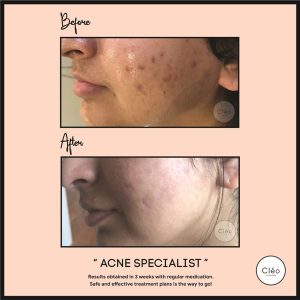
What is Acne?
Acne is a long-term skin problem that happens when hair follicles get clogged with oil, dead skin cells, and germs. Sebaceous glands make sebum, which usually moves through hair follicles to keep skin moist. When this process goes wrong, clogged pores turn into different types of acne lesions.Types of Acne
Non-Inflammatory Acne
- Blackheads (open comedones) are clogged pores that stay open and seem dark because they have oxidized.
- Whiteheads (closed comedones) are clogged pores that are covered by skin and look like little white lumps.
Inflammatory Acne
- Papules: Small, red, raised bumps that are created by irritated hair follicles.
- Pustules are red pimples with white or yellow pus in the middle.
- Nodules are big, painful, solid lumps that are deep under the skin.
- Cysts are deep, pus-filled sores that can leave lifelong scars.
Root Causes of Acne
Hormonal Factors
During puberty and hormonal changes, androgen hormones, especially testosterone, make more sebum. Women may get acne during their periods, when they are pregnant, or when they have polycystic ovarian syndrome (PCOS).Bacterial Overgrowth
Propionibacterium acnes bacteria love plugged pores, which can cause inflammation and infection. This buildup of germs makes the immune system respond, which causes acne lesions to show up.Genetic Predisposition
Family history has a big effect on whether or not someone gets acne. If parents had acne, their kids are more likely to get it too.Environmental Triggers
- A lot of heat and humidity
- Skin care items that cause acne
- Some drugs, such as lithium, steroids, and anticonvulsants
- Stress and not getting enough sleep
- meals with a lot of sugar (such as dairy products and high-glycemic meals)
Acne Treatment Options by Severity
Mild Acne Treatment
Topical Medications:- Benzoyl peroxide (2.5–10%): kills the bacteria that cause acne and lowers swelling.
- Salicylic acid (0.5–2%): removes dead skin cells and unclogs pores.
- Topical retinoids stop new comedones from forming and make existing lesions smaller.
Moderate Acne Treatment
Prescription Options:- Benzoyl peroxide with a prescription strength
- Clindamycin and erythromycin are topical antibiotics. Retinoids and antimicrobials are two types of combination therapy.
- Short-term usage of oral antibiotics
Severe Acne Treatment
Advanced Interventions:- Isotretinoin taken by mouth for cystic and nodular acne
- Hormonal birth control for women
- Cortisone shots for big cysts
- Chemical peels and photodynamic therapy are examples of professional techniques.
Professional Acne Procedures
HIFU (High-Intensity Focused Ultrasound)
HIFU treatment uses focused ultrasonic energy to reach deeper layers of skin, which boosts collagen formation and lessens acne scars. This process doesn’t hurt and can make the skin smoother and less noticeable after acne.Other Medical Procedures
- Peels with chemicals: Take off layers of damaged skin and clear out clogged pores.
- Microdermabrasion removes dead skin cells from the surface of the skin to keep pores from getting clogged.
- Laser therapy lowers bacteria and inflammation and speeds up healing.
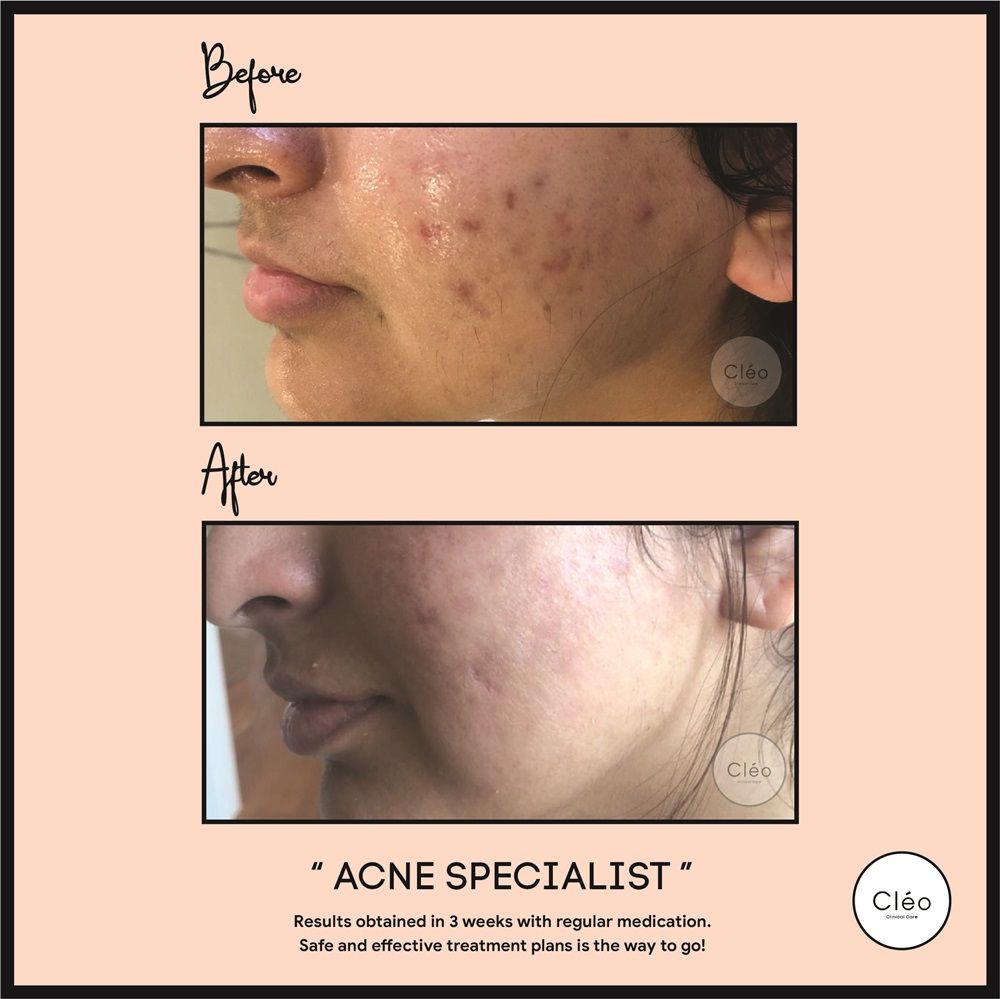
Acne Prevention Strategies
Daily Skincare Routine
- Wash your face twice a day with a mild, oil-free cleanser.
- Use sunblock and moisturizers that don’t clog pores.
- Don’t wash your hair too much, as this can make your hair greasy.
- Take off all your makeup before bed.
Lifestyle Modifications
- Eat a balanced diet that includes foods with a low glycemic index.
- Drink enough water and get enough sleep.
- Use relaxation strategies to deal with stress.
- Don’t touch or pick at acne lesions.
Product Selection Guidelines
- Pick items that are water-based and won’t clog your pores.
- Stay away from thick oils and anything that blocks pores.
- Add new products slowly to see how your skin reacts.
- Talk to a dermatologist about which products are best for you.
When to Seek Professional Help
Warning Signs
- Acne that won’t go away even after 6–8 weeks of home therapy
- Nodules or cysts that are deep and hurt
- Acne that makes you feel bad about yourself or gives you anxiety
- Signs of scarring or darkening of the skin
- Adults who suddenly get a lot of acne
Dermatologist Consultation Benefits
A professional examination makes sure that the right diagnosis and therapy are chosen. Dermatologists can give you stronger medicines and use procedures in their offices to stop scarring and get results faster.Acne Myths vs. Facts
Common Misconceptions
- Myth: Poor hygiene causes acne.
- Fact: Over-cleansing can make acne worse by irritating the skin.
- Myth: Chocolate and greasy foods directly cause acne.
- Fact: High glycemic foods may cause breakouts, but everyone reacts differently.
- Myth: Acne only affects teenagers.
- Fact: 25% of men and 50% of women in their twenties have adult acne.
Add a Comment