
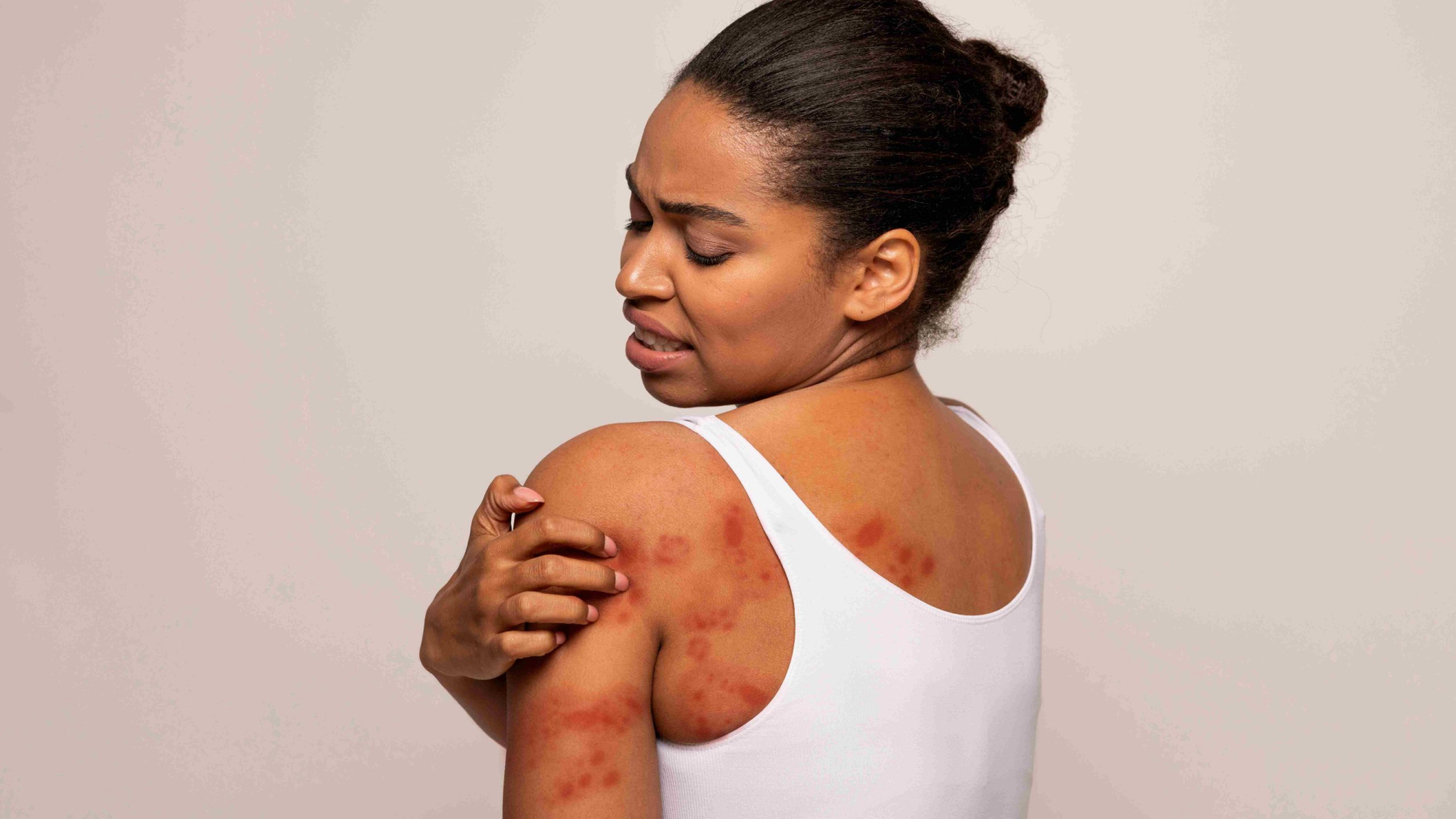
Bacterial infections happen when bad bacteria get into your body and start to multiply. These tiny, single-celled organisms can harm your skin, lungs, blood, and other important organs. If they aren’t treated, they can cause several health problems.
What Are Bacterial Infections?
When bacteria that cause disease get into your body through cuts, dirty food, droplets in the air, or direct contact, you get a bacterial infection. Bacteria are living things that can reproduce on their own and release toxins that hurt your cells and tissues. Viruses, on the other hand, are not living things. Most bacteria are not harmful and can even be helpful. They help with digestion and keep bad microorganisms from growing. But pathogenic bacteria can cause infections that are very bad and need to be treated right away.Common Types of Bacterial Infections
Skin Infections
Cellulitis is a common bacterial skin infection that affects deeper layers of tissue and causes redness, swelling, and warmth. Impetigo, on the other hand, causes surface infections with honey-colored crusts. MRSA is a serious staph infection that is resistant to antibiotics, needs special care, and can spread quickly in hospitals and other healthcare settings.Respiratory Infections
Bacterial pneumonia is the main type of respiratory bacterial infection. It causes lung inflammation, a cough that brings up mucus, and trouble breathing. Strep throat hurts and swells the throat and tonsils, while whooping cough makes a cough that lasts for weeks and is very loud.Urinary Tract Infections (UTIs)
UTIs happen when bacteria get into the urinary system. Cystitis affects the bladder and makes it hurt to urinate. Pyelonephritis is a more serious kidney infection that causes a high fever, severe back pain, and can permanently damage the kidneys if not treated.Gastrointestinal Infections
Food poisoning from E. coli and Salmonella that comes from improperly stored or prepared foods is one type of gastrointestinal bacterial infection. Gastroenteritis is when the stomach and intestines become inflamed, which can cause diarrhea, cramps, and dehydration.Blood Infections
Blood infections are the most dangerous types of bacterial infections. Sepsis is a whole-body response to infection that can lead to organ failure and death. Bacteremia happens when bacteria get into the blood directly, which can spread the infection to other parts of the body.Bacterial Infection Symptoms
General Symptoms
- Chills and fever
- Tiredness and weakness
- Lymph nodes that are swollen
- Muscle and headache pain
- Feeling sick and throwing up
Location-Specific Symptoms
Skin Infections:- Redness and swelling
- Warmth and softness
- Blisters full of pus
- Wounds take longer to heal
- A cough with colored mucus that is productive
- Not being able to breathe
- Pain in the chest
- Throat pain
- Painful urination
- Urine that is cloudy and smells bad
- Going to the bathroom a lot
- Pain in the pelvis
- diarrhea (sometimes with blood)
- Cramps in the stomach
- Not wanting to eat
- Not enough water
How Bacterial Infections Spread
Direct Contact
- Touching wounds
- surfaces that are infected
- Transmission from one person to another
- Having sex
Airborne Transmission
- Droplets from coughing and sneezing
- Dirty dust particles
- Places with bad ventilation
Contaminated Sources
- Food and water that isn’t safe
- Medical tools that haven’t been cleaned
- Bites and scratches from animals
Risk Factors for Bacterial Infections
- A weak immune system
- Long-term health problems
- Recently had surgery or stayed in the hospital
- Not taking care of yourself well
- Old age or infancy
- Drugs that weaken the immune system
Diagnosis of Bacterial Infections
Laboratory Tests
- Blood cultures: Find bacteria in the blood
- Urine analysis: Find infections in the urinary tract
- Wound cultures: Check tissue samples that are infected
- Throat swabs: Find out if you have strep throat
Imaging Studies
- X-rays for lung infections
- CT scans for infections inside the body
- Ultrasound for infections in the stomach
Rapid Tests
- Quick results with PCR testing
- Diagnostics at the point of care
- Tests for detecting antigens
Treatment Options
Antibiotic Therapy
- Oral antibiotics: for infections that are mild to moderate
- Topical antibiotics: Infections of the skin
- Intravenous antibiotics: Very bad infections
Supportive Care
- Taking care of pain
- Lowering a fever
- Replacing fluids
- Taking care of wounds
Treatment Duration
Most bacterial infections need 7 to 14 days of antibiotics to get better. Finish the whole course, even if your symptoms get better, to stop antibiotic resistance.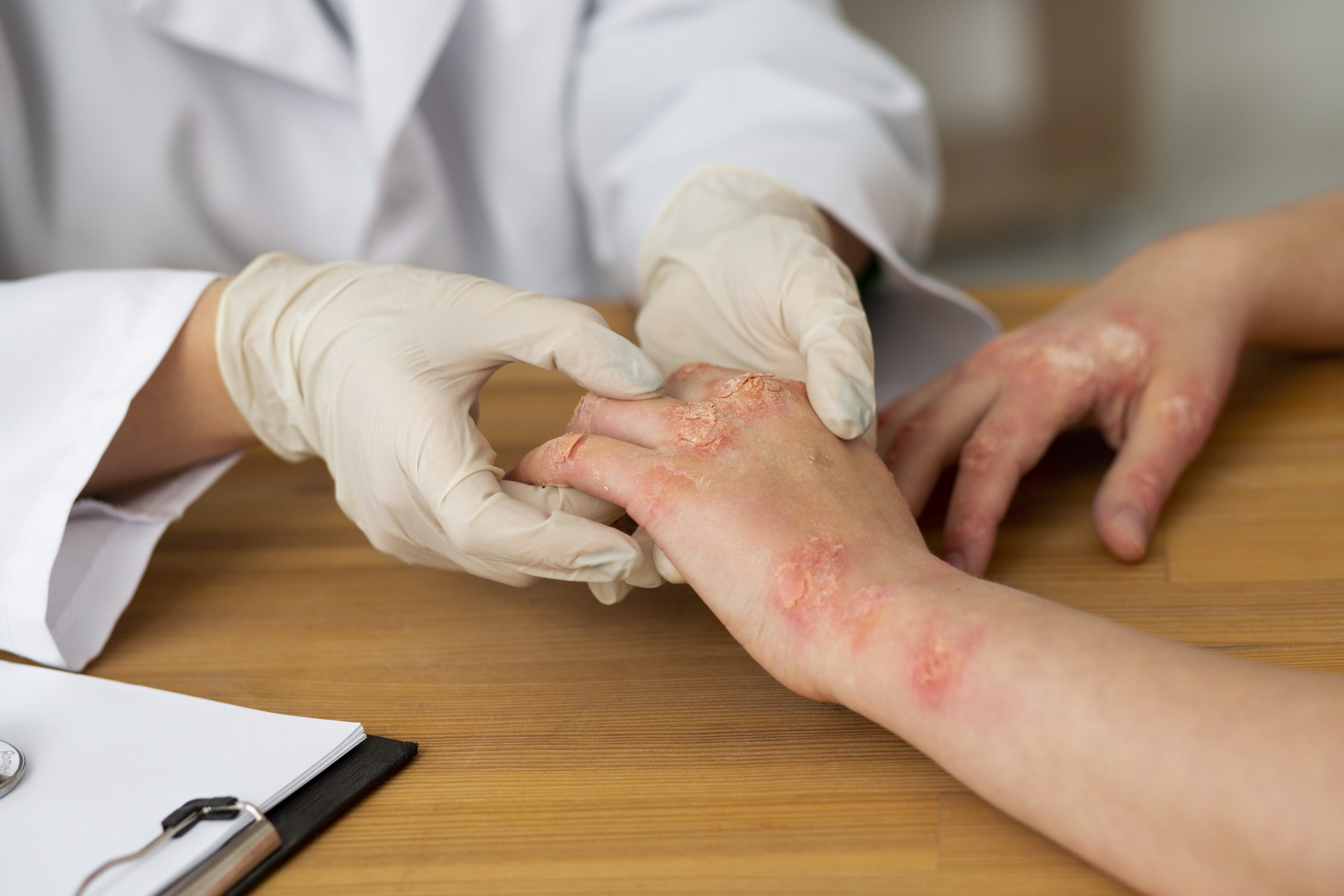
Prevention Strategies
Personal Hygiene
- Use soap to wash your hands often.
- Cover and clean your wounds.
- Don’t touch your face with dirty hands.
- Keep your mouth clean.
Food Safety
- Cook the meat all the way through
- Put perishable foods in the fridge right away.
- Don’t let things get mixed up.
- Clean fruits and vegetables
Environmental Precautions
- Clean surfaces with disinfectant often
- Make sure there is enough air flow.
- Stay away from crowded, poorly ventilated areas.
When to Seek Medical Care
Emergency Signs
- Fever over 101°F
- A lot of pain or swelling
- Breathing problems
- Being confused or lost
- Fast heart rate
- Symptoms of sepsis
Routine Medical Care
- Symptoms that don’t go away after 2–3 days
- The infection is getting worse even though it’s being treated.
- Infections that keep coming back
- Strange smell or discharge
Add a Comment