Skin Diseases

Understanding Skin Allergies: Causes, Symptoms & Treatments

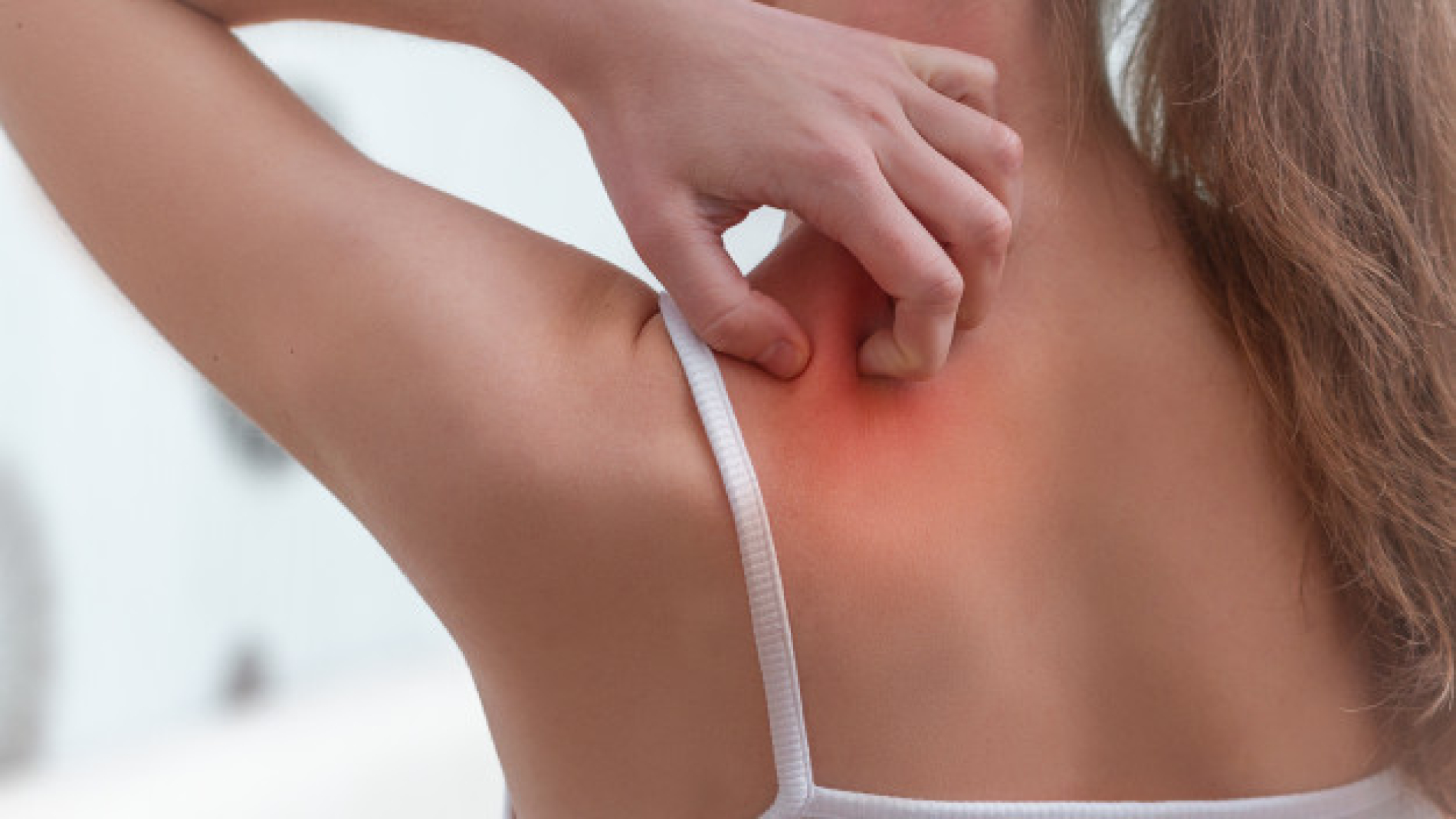
Millions of people throughout the world have skin allergies that cause painful symptoms that can make daily life very difficult. When your immune system thinks something is harmful and overreacts to it, it can cause allergic reactions that show up on your skin in different ways.
What Are Skin Allergies?

When your immune system generates antibodies to fight off things it thinks are threats, such as allergens, you get skin allergies. This immunological response makes your skin red, itchy, and inflamed, among other things that are not pleasant. It’s like your body is overprotective of things that aren’t harmful.

Common Types of Skin Allergies

Contact Dermatitis

Contact dermatitis happens when your skin comes into close contact with an allergen. It usually shows up 1 to 3 days after being exposed. You may see swelling and redness around the region where you made contact. Blisters and cracks often come after that, accompanied by burning feelings and patches that look like scales.

Hives (Urticaria)

Hives are raised, itchy bumps that can show up anywhere on your body. These red lumps normally show up rapidly and go away in a few hours or days. You probably have hives if you’ve ever had red bumps that showed up after eating something new. In severe situations, it can make it hard to breathe and make the throat enlarge.

Eczema (Atopic Dermatitis)

About 30% of people have eczema, which is a long-term allergic disorder. It usually starts in childhood and causes dry, scaly skin that itches a lot. The frequent scratching makes the skin red and inflamed, and over time, it gets thicker. Skin Diseases

Angioedema

Angioedema makes soft tissues enlarge, especially around the eyes, lips, and mouth. This condition can happen with or without hives and could be a sign of a significant allergic reaction. The swelling can be very big and scary.

Primary Causes of Skin Allergies

Environmental Triggers

Urushiol oil is found in poison ivy, oak, and sumac, and it makes most people very sick. Pollen and other particles in the air can cause seasonal allergies that hurt your skin. Pet dander can make your skin itchy all the time. Dust mites that live in your mattress and furniture are a typical problem in homes.

Chemical Allergens

Nickel is in a lot of things, such as jewellery, belts, and metal things. A lot of people become sensitive to nickel without knowing it. Latex or rubber in gloves, balloons, and other stretchy things might cause reactions. Surprisingly, scents in cleaning products, detergents, and perfumes are common allergies. Preservatives like parabens and formaldehyde releasers keep things fresh, but they can also make skin sensitive.

Clothing and Fabric Reactions

That rash might be coming from your favourite garment. Dyes, chemicals used to prepare fabric, or the fibres themselves, can cause clothing allergies. Symptoms usually show up on places where clothing rubs against the skin the most. Before you wear new clothes, always wash them.

Medication-Induced Reactions

Even drugs that are supposed to assist can make things worse. Bacitracin and neomycin are two typical topical antibiotics that can cause problems. Painkillers like benzocaine and hydrocortisone can make things worse. Chemical UV filters in some sunscreens can occasionally trigger the very reactions they are supposed to stop.

Recognising Skin Allergy Symptoms

Immediate Symptoms

When something is wrong, your skin talks quickly. First, there is redness and swelling, and then there is itching and burning. The swelling and welts grow quickly. Bumps or blisters signal that the reaction is worse.

Delayed Symptoms

Some reactions take a while to happen. Over the course of days or weeks, dry, scaly patches appear. Chronic inflammation causes the skin to thicken. If something is oozing or crusting, it could be a sign of a secondary infection. If you have an itch that won’t go away, you need to see a doctor.

Warning Signs Requiring Medical Attention

Some signs need medical attention right away:
  • A rash that covers a lot of skin on the body
  • Fever with skin responses
  • Having trouble breathing or swallowing
  • Severe oedema of the face or throat

Effective Treatment Options

Immediate Care

If you think you’ve come into contact with an allergy, respond quickly. Right away, wash the affected area with soap and water. Use cool compresses to help with itching and swelling. This easy measure can stop minor responses from getting worse.

Over-the-Counter Treatments

There are a lot of beneficial things your local pharmacy can do for you. Antihistamines work well to stop itching and swelling. Hydrocortisone cream helps with inflammation. Calamine lotion is a drying and soothing agent. Muesli baths are good for your skin.

Prescription Treatments

When reactions are very bad, tougher action is needed. Topical steroids are very good at reducing inflammation. Corticosteroids taken by mouth regulate inflammation throughout the body. Epinephrine, which can be injected, is used to treat anaphylaxis in an emergency. Your doctor will decide how much treatment you need.

Professional Testing

Allergy patch testing can help find the exact things that cause your allergies. You put small amounts of possible allergens on your skin and watch for reactions over a few days. The tests can finally tell you what you’re allergic to.

Prevention Strategies

Allergen Avoidance

Your best defence is knowledge. Before you buy something, read the labels carefully. Take the chemicals out of new clothes by washing them before you wear them when you can, pick hypoallergenic products. Keep the places where you live clean and free of dust.

Protective Measures

A few simple steps can make a significant difference. When working with chemicals or cleaning materials, put on gloves. Use barrier creams before you might be exposed. Pick natural fabrics like cotton instead of synthetic ones. First, try out new products on small patches of skin.

Lifestyle Modifications

Managing stress is an unexpected way to keep allergies from happening. Taking care of your skin properly keeps its natural barrier strong. Keeping clean keeps you from getting secondary infections. These modifications to your lifestyle can make reactions happen less often and less severely.

When to Seek Professional Help

Don’t keep your pain to yourself. If home treatment doesn’t help, talk to a doctor or nurse. Repeated allergic reactions point to underlying sensitisation. A professional should look at severe symptoms that make it hard to do daily tasks. If you aren’t sure what an allergy is, you need to have it tested by an expert.

Conclusion:

Knowing about skin allergies might help you deal with symptoms and stop them from happening again. You can keep your skin healthy and comfortable by figuring out what makes it flare up and following the right treatment steps. If you have ongoing or severe allergic reactions, see a competent Dermatologist at Cleo Clinical Care who can create a personalised treatment plan and do expert allergy testing to help you get your skin in the best shape possible. For gentle, allergy-friendly skincare products specifically formulated for sensitive skin, The Skin Theory offers carefully curated solutions that minimise irritation while nourishing your skin.

FAQ’s:

Q: How long do skin allergies usually last?

Most symptoms go away in a few days to weeks, depending on the allergen and how bad the exposure was.

Q: Can adults suddenly get skin allergies?

Yes, you can get new allergies at any age, especially if you are exposed to certain things over and over again.

Q: Can skin allergies spread from person to person?

No, allergic reactions are immunological responses; thus, they can’t pass from one person to another.

Q: Does stress make skin allergies worse?

Yes, stress can make eczema worse or start it, and it can also make people more sensitive to allergies.

Q: If my skin is sensitive, should I stay away from all skincare products?

No, pick items that are gentle and don’t have a scent. You might also want to talk to professionals about what skin care products are best for you.
Tags: No tags

Add a Comment

Your email address will not be published. Required fields are marked *