
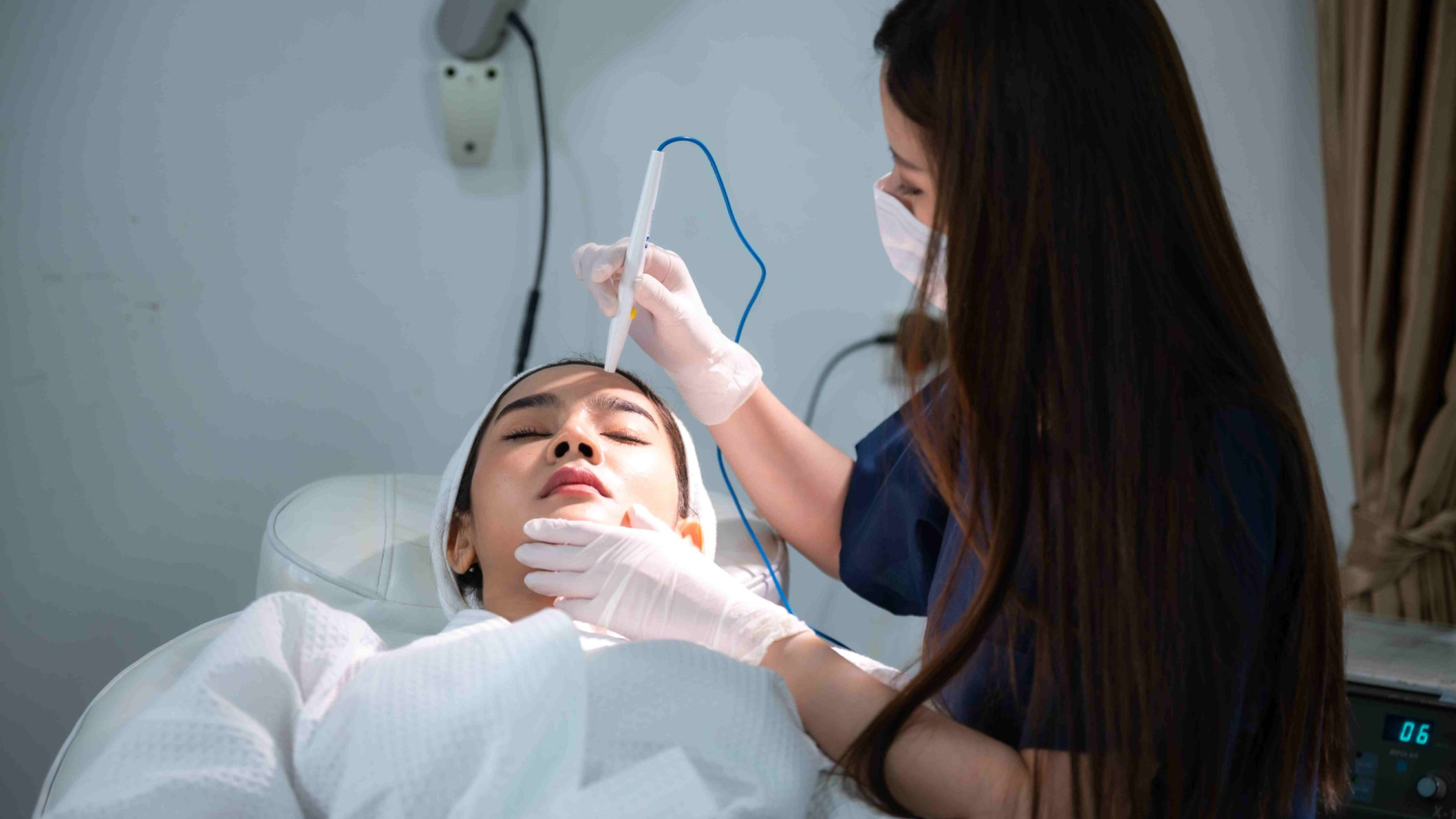
What is Cautery Treatment?
Cautery treatment is a medical process whereby tissue is sliced or controlled scarring is created using heat produced by an electrical current. The operation can be carried out either as a stand-alone treatment for different diseases or during surgery. Originally used centuries ago but now updated with current technology, cautery has become a crucial instrument in medical practice for its accuracy and potency.Types of Cautery Treatment
Monopolar Cautery
Monopolar cautery transmits electricity through the body to a grounding pad from one electrode. Larger treatment areas are covered by this method, which is usually used for more involved operations requiring more general tissue manipulation.Bipolar Cautery
- Using a two-pronged forceps-like tool,
- Between the two tips, the current runs.
- treats with less tissue damage more precisely.
Medical Applications of Cautery
Skin Conditions
For many skin disorders, including removal of skin tags, treatment of warts, elimination of minor benign growths, and control of actinic keratosis, caustery is quite successful. Modern cautery tools’ precision makes focused therapy possible with the least effect on adjacent healthy tissue.Eye Treatments
- Managing dry eyes with punctal stenosis
- Treatment of trichiasis—inward-growing lashes—
- an extra row of eyelashes, or distichiasis
Other Medical Uses
- Control of bleeding in tiny vessels
- Dealing with persistent nosebleeds
- Elimination of aberrant tissue

Cautery Procedure: What to Expect
Pre-Procedure Preparation
- Initial review and consultation
- Area cleaning and marking
- Local Anesthetic Application
During the Procedure
The operation itself consists of applying a suitable anesthetic and positioning a grounding pad for monopolar cautery. The professional will precisely apply the cautery tool to the desired location using control of heat level and duration. Most patients claim no pain, and the real cauterizing usually takes just a few minutes.Immediate Post-Procedure
- Wound cleansing
- Use of antibiotic ointment, should it be needed
- bandaging, as suitable
Benefits of Cautery Treatment
Many diseases find Cautery treatment a preferable choice because of its several benefits. Usually finished in minutes instead of hours, this minimally invasive surgery has a short treatment duration. The method offers good hemostasis (bleeding control) and allows exact targeting of impacted tissue. For most diseases, many patients like the quick results that are evident; also, the fact that the desired conclusion usually requires just one therapy session is appreciated.Risks and Side Effects
- Temporary discomfort or suffering
- The possibility of infection should aftercare guidelines are not followed
- Usually transient, skin discoloration
- Scarring, usually mild in most cases
- Possible regeneration, especially about warts or moles
Recovery and Aftercare
Immediate Care
The treated area must be kept dry and clean after cautionary treatment. Patients should prevent the treated region from sun exposure, which could lead to pigment problems during healing, and apply any recommended ointments exactly as directed by their healthcare professional.Expected Healing Timeline
- Initially healing: one to two weeks
- Three to four weeks constitute complete healing.
- Changes in skin color resolve: Several months
Add a Comment