
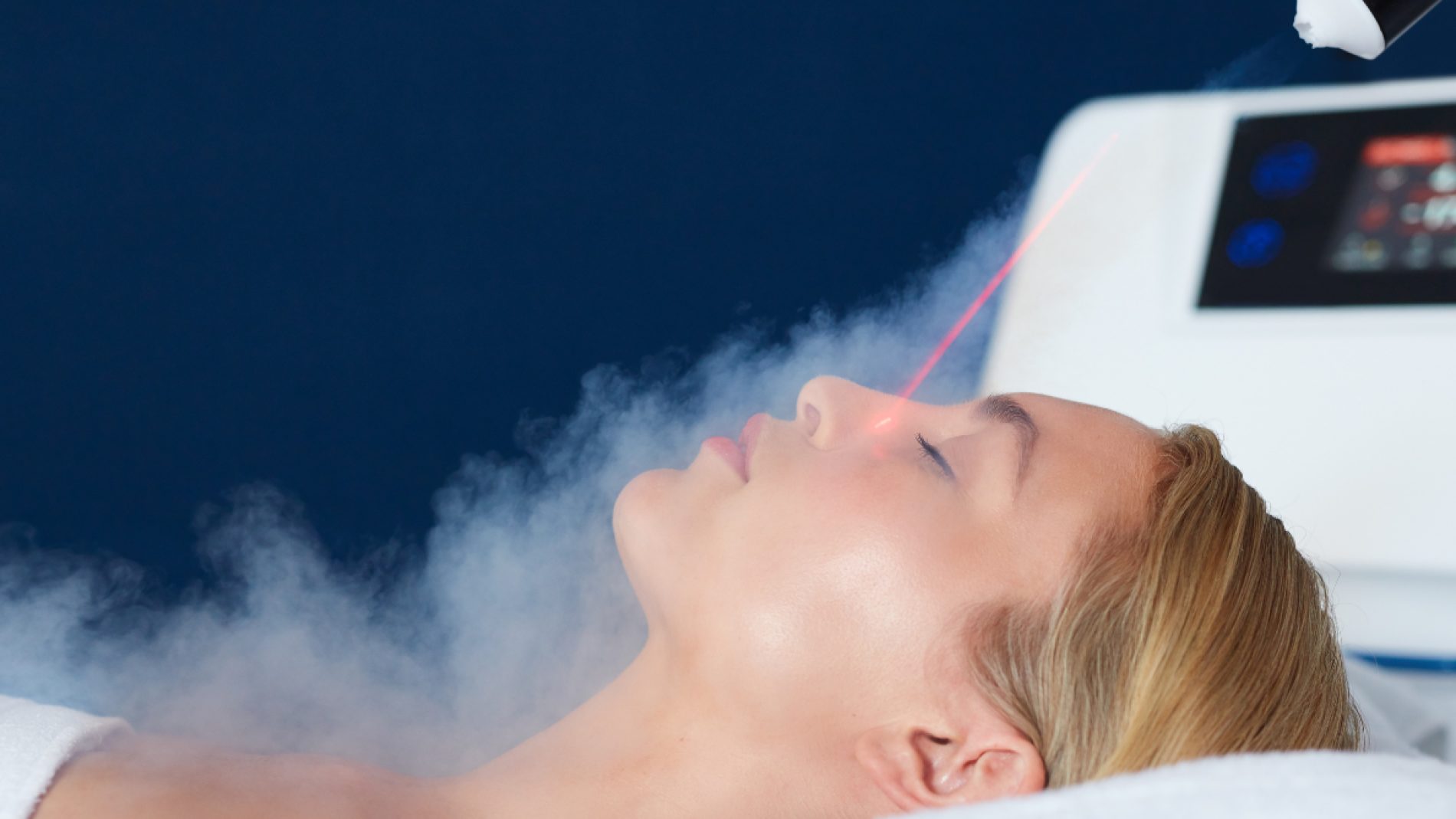
Cryotherapy is a medical procedure whereby aberrant tissue is frozen and destroyed using extremely cold temperatures. This minimally invasive operation treats many skin disorders, malignancies, and offers therapeutic benefits using temperatures ranging from -200°F to -300°F.
Types of Cryotherapy
External Cryotherapy
Applied directly to skin using spraying devices or cotton swabs, liquid nitrogen, argon gas, or liquid nitrous oxide.
Internal Cryotherapy (Cryoablation)
cryoprobe passed through tiny incisions to treat internal problems, including tumors and precancerous cells.
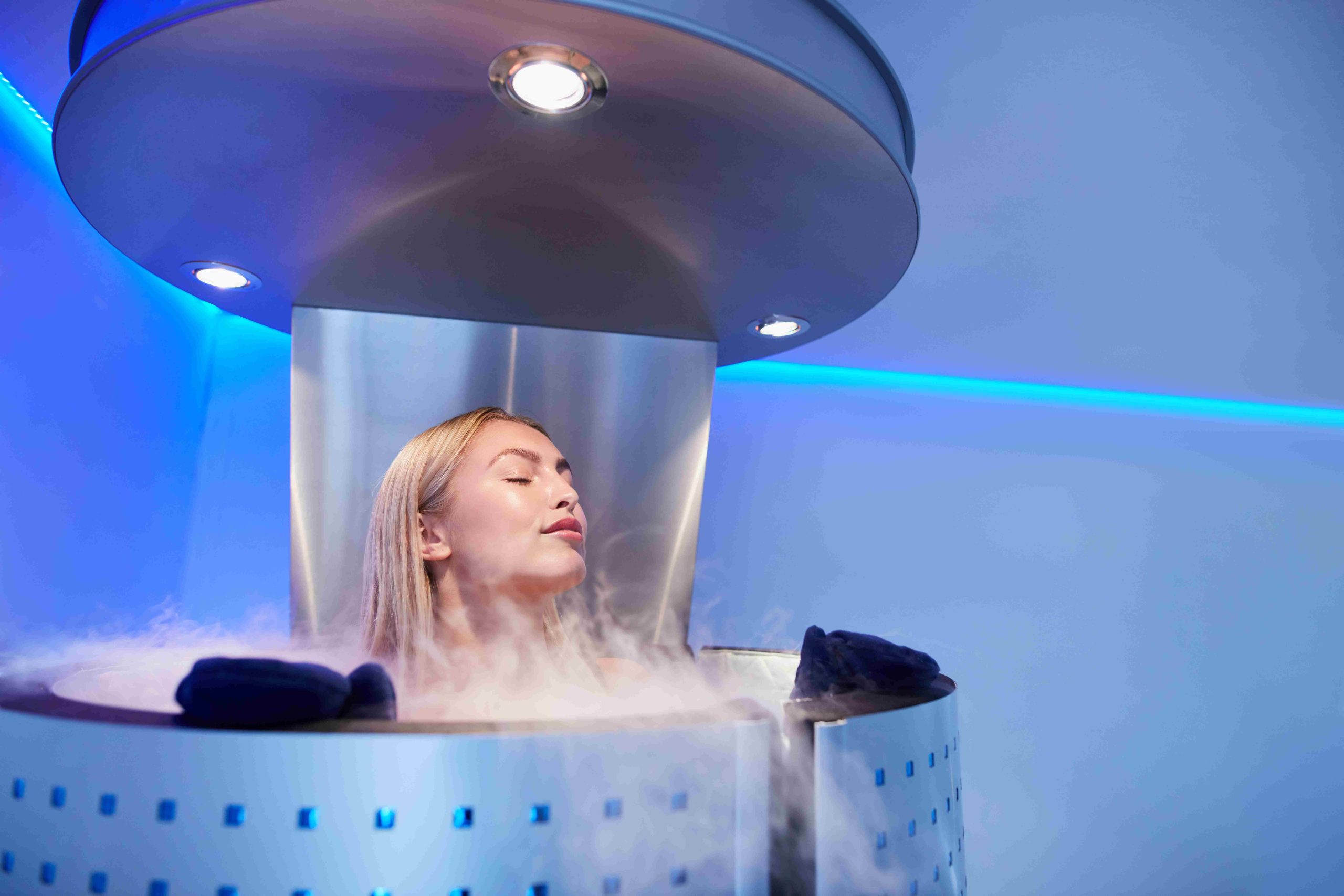
Whole Body Cryotherapy (WBC)
Standing in a confined chamber for two to four minutes under ultra-cold air is the basis of whole body cryotherapy (WBC).
Medical Benefits of Cryotherapy
By freezing aberrant cells, cryotherapy kills them and lets good tissue regenerate, hence treating several diseases.
Cancer Treatment Applications
- Prostate cancer: focused freezing of tumorous material
- Cervical Cancer: Treatment of precancerous cells
- Liver cancer: tumours destroyed by cryoablation
- Skin Cancers: Comprising squamous cell carcinoma and basal cell carcinoma
- Retinal cancer treatment for youngsters
Skin Condition Treatments
- warts: total elimination accomplished by tissue freezing
- Skin Tags: Fast clearance without operation
- Dark Spots: Designed treatment for problems with pigment distribution
- Reducing inflammation and enhancing skin health helps atopic dermatitis
Pain Management Benefits
- Cooling the neck nerves helps to ease migraine intensity.
- Treatments for nerve pain, including numbness and inflamed neuromas
- Arthritic Pain: Dramatic decrease in arthritis sufferers’ pain
- Long-term relief for chronic ailments
Mental Health Applications
- Disorders of Mood: Released noradrenaline, adrenaline, and endorphins.
- Anxiety Management: Temporary success in lowering symptoms
- Management of Depression: Good hormonal reactions raise mood.
What to Expect During Treatment
Preparation Phase
Most external treatments require no particular preparation. Internal treatments could call for ceasing blood thinners 12 hours before.
During the Procedure
External treatments apply freezing agents straightforwardly. Under either local or general anesthesia, inside operations place probes precisely using ultrasonic guidance.
Recovery Process
- External: For one to three days, redness and blistering, development of scabs, healing in one to three weeks
- Internal: Up to three days of moderate pain; the immune system slows down tissue clearance
- Cervical: Potentially watery discharge spanning several days to weeks
Risks and Side Effects
Common Side Effects
- Transient tingling and numbness
- Skin redness and irritability
- Mild edema at the treatment location
- Uncomfortable temporarily during mending
Potential Complications
- bleeding: especially following cervical operations
- Damage to the nerves: The Possibility of lifelong sensory deprivation
- Rare yet likely with deep treatments are bone fractures.
- Skin Infections: Demand appropriate follow-up.
- Scarring: Not too bad with correct technique
Contraindications
Patients with diabetes or nerve diseases should avoid cryotherapy since their incapacity to correctly perceive temperature effects.
Treatment Guidelines and Safety
Duration Limits
- Whole Body: Four minutes at most in each session
- Ice Applications: Never spend more than twenty minutes.
- Professional Treatments: Adopt the practitioner’s advice.
Safety Protocols
Always wrap ice packs in towels; wear protective gear during whole-body treatments; and pre-discuss medical issues with your doctors.
Professional Treatment vs. Home Care
Medical Cryotherapy
carried out by qualified healthcare professionals with specific tools for exact temperature control and focused application.
At-Home Treatments
Restricted to ice packs and cold treatment for minor ailments, never try to match expert cryotherapy temperatures.
Cleo Clinical Care Services
Professional cryotherapy treatments, among other thorough dermatological treatments, are offered at Cleo Clinical Care. Our knowledgeable medical staff guarantees appropriate, safe treatment for several skin disorders and medical issues. To provide the best patient outcomes, we provide individualized care programs integrating medical knowledge with cutting-edge treatment technologies.
We advise combining premium skincare products from The Skin Theory with complimenting cryotherapy treatments to support healing and preserve skin health for best results.
Conclusion:
By means of regulated freezing techniques, cryotherapy presents established medical advantages for treating malignancies, skin diseases, and provides pain relief. Although professionally done typically is safe, knowledge of hazards and appropriate aftercare guarantees the best results.
Looking for a dermatologist near me? Get expert cryotherapy and personalized skincare advice from our experienced dermatologists.
FAQ’s:
How does cryotherapy work?
While inside procedures may need 30 to 60 minutes, including preparation, external treatments last 1 to 5 minutes.
Is treatment with cryotherapy uncomfortable?
Most patients feel only slight discomfort during treatment; modest pain usually lasts one to three days following.
Number of sessions required?
For skin problems, single treatments usually suffice; some situations may call for two to three sessions for total clearance.
Is cryotherapy something anyone can have?
Though most people are candidates, diabetics and those with nerve problems should refrain from this treatment.
When should I start to see changes?
First changes show up in a few days; complete healing and final outcomes show up in one to three weeks.
Add a Comment