
Introduction
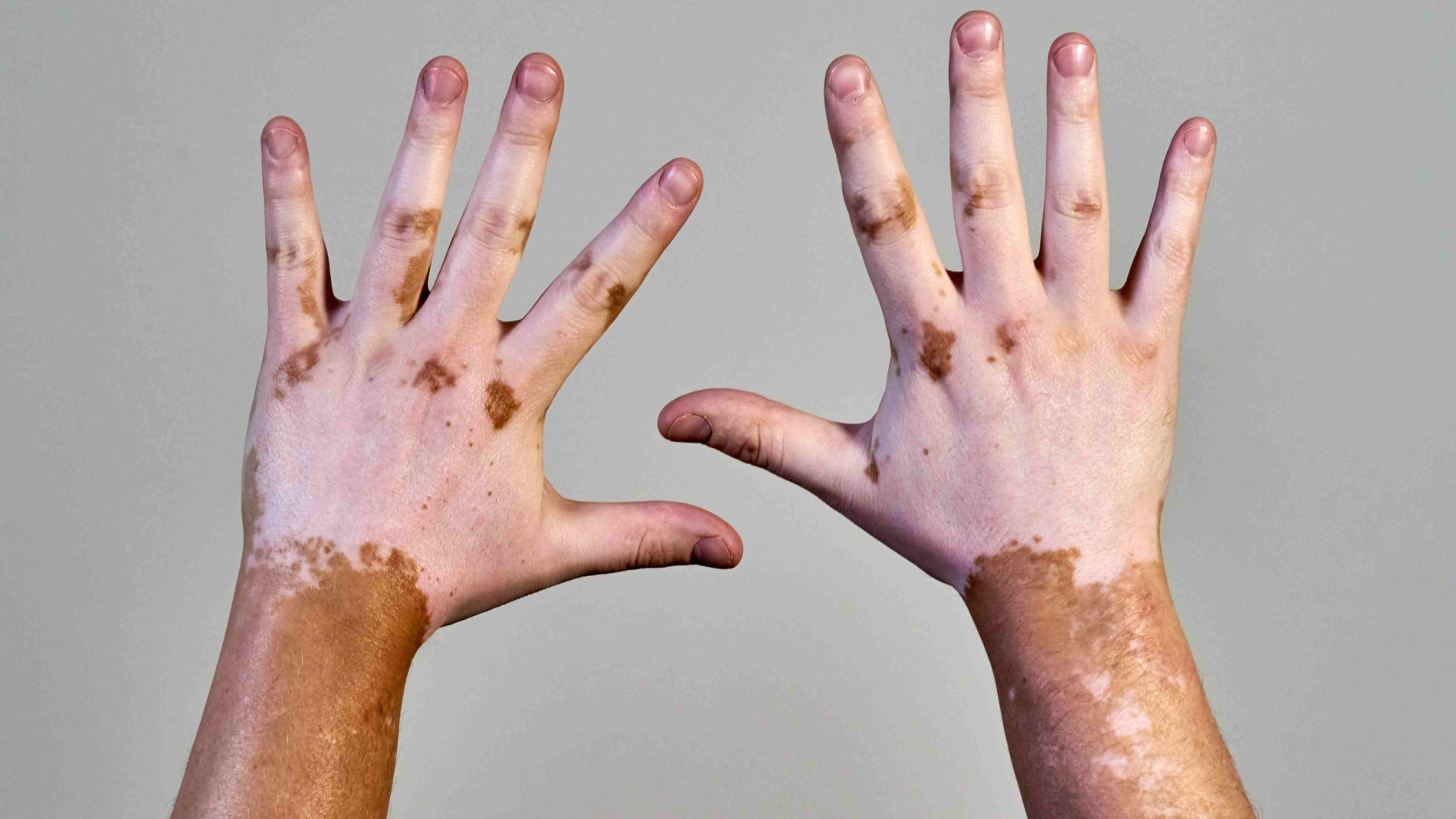
Vitiligo affects millions of people worldwide. It creates white patches on the skin. These patches can appear anywhere on the body. Many people feel worried when they first notice these white spots.
You are not alone if you have vitiligo. About 1 in 100 people have this condition. It can happen to anyone at any age. Men and women get it equally. All skin colors can be affected.
This guide will help you understand vitiligo better. You will learn about causes, treatments, and how to live well with this condition. Knowledge is power when dealing with any skin issue.
What is Vitiligo?
Vitiligo is a skin condition that makes white patches appear. These patches have no color because the skin cells that make color stop working. The cells that make color are called melanocytes.
The white patches can be small or large. They can be round or have odd shapes. Some people have just a few patches. Others have many patches all over their body.
Vitiligo is not contagious. You cannot catch it from someone else. You cannot spread it to other people. It is not caused by poor hygiene or diet.
The condition affects the skin’s appearance only. It does not hurt or itch in most cases. The white patches feel the same as normal skin. They just look different.
Types of Vitiligo
There are two main types of vitiligo. Each type behaves differently.
Segmental Vitiligo
This type affects only one side of the body. It usually starts in childhood. The patches spread quickly at first. Then they stop growing after a few years.
Segmental vitiligo is less common. It affects about 10% of people with vitiligo. It often affects areas with hair. The hair in these areas may turn white too.
Non-Segmental Vitiligo
This is the most common type. It affects both sides of the body equally. The patches appear in the same places on both sides. This is called symmetrical pattern.
Non-segmental vitiligo can start at any age. It progresses slowly over many years. Sometimes it stops on its own. Other times it keeps spreading.
Most people with vitiligo have this type. It makes up about 90% of all cases.
Causes and Risk Factors
Scientists do not know the exact cause of vitiligo. They think several factors work together to cause it.
Autoimmune Theory
The immune system normally protects the body. But sometimes it attacks healthy cells by mistake. In vitiligo, it attacks the color-making cells.
This is why vitiligo often happens with other autoimmune diseases. These include thyroid problems and diabetes.
Genetic Factors
Vitiligo can run in families. If your parent has vitiligo, you have a higher chance of getting it. But most people with vitiligo have no family history.
About 20% of people with vitiligo have a family member with it. This shows genes play a role. But genes alone do not cause vitiligo.
Environmental Triggers
Certain things can trigger vitiligo in some people. These triggers include:
- Severe sunburn
- Stress (emotional or physical)
- Skin injury or cuts
- Chemical exposure
- Severe illness
These triggers do not cause vitiligo directly. They may start the process in people who are already at risk.
Signs and Symptoms
The main sign of vitiligo is white patches on the skin. These patches usually appear gradually. They may start small and grow larger over time.
Early Warning Signs
The first sign is usually a small white spot. It may appear on the hands, feet, or face. The spot has no color at all. It stands out against normal skin.
Some people notice hair turning white in the affected area. This happens because hair color comes from the same cells as skin color.
Common Locations
Vitiligo patches often appear in these areas:
- Around the mouth and eyes
- Hands and fingers
- Feet and toes
- Underarms
- Groin area
- Areas that rub against clothing
The patches may appear in places that get sun exposure. They also appear in areas that experience friction.

Progression Patterns
Vitiligo progresses differently in each person. Some people have slow, steady growth. Others have periods of fast growth followed by stable periods.
Stress can make vitiligo spread faster. Sun exposure may also trigger new patches. Skin injuries can cause new patches to form in that area.
Diagnosis
Only a doctor can diagnose vitiligo properly. At Cleo Clinical Care in Gulberg, Lahore, our expert dermatologist uses several methods to diagnose vitiligo.
Medical Examination
The doctor will examine your skin carefully. They will look at the shape, size, and location of white patches. They will also ask about your medical history.
The doctor may ask about the family history of vitiligo. They will want to know when you first noticed the patches. They will ask if anything triggered the start of vitiligo.
Special Tests
Sometimes the doctor uses a special lamp called a Wood’s lamp. This lamp makes vitiligo patches glow under UV light. It helps the doctor see patches that are not visible in normal light.
Blood tests may be done to check for other autoimmune diseases. These tests are not needed to diagnose vitiligo. But they help check your overall health.
Ruling Out Other Conditions
Some other skin conditions look like vitiligo. The doctor needs to make sure you have vitiligo and not something else. This is called differential diagnosis.
Conditions that may look like vitiligo include:
- Fungal infections
- Chemical burns
- Birthmarks
- Other pigment disorders
Treatment Options
There is no cure for vitiligo yet. But many treatments can help. The best treatment depends on your type of vitiligo and how much it has spread.
Topical Treatments
These are creams and ointments you put on the skin. They are often the first treatment doctors try.
Steroid Creams: These are the most common first treatment. They help bring back color to many people. But they must be used carefully. Long-term use can cause side effects.
Calcineurin Inhibitor: These are newer creams that work differently than steroids. They are safer for long-term use. They work well on the face and neck.
JAK Inhibitor: These are the newest type of cream. They block signals that cause vitiligo. They show good results in studies.
Light Therapy
Light therapy uses special UV light to treat vitiligo. The light helps color cells grow back. This treatment is done in a doctor’s office.
Narrowband UV-B This is the most common light therapy. You stand in a special booth with UV lights. Treatment is done 2-3 times per week.
Results take time to show. Most people need 3-6 months of treatment. The face and neck respond best to light therapy.
Targeted Phototherapy: This focuses light on specific patches. It is good for small areas. It causes fewer side effects than full-body treatment.
Surgical Options
Surgery may help people with stable vitiligo. The patches must not have changed for at least 6 months. Surgery is not for everyone.
Skin Grafting: The doctor takes healthy skin from another part of your body. They place it over the white patches. This works best for small areas.
Melanocyte Transplantation: The doctor takes color-making cells from healthy skin. They put these cells in the white patches. This is a newer technique.
At Cleo Clinical Care, we carefully evaluate each patient. We choose the best treatment for your specific situation. Our dermatologist has experience with all types of vitiligo treatments.
Management and Lifestyle
Living with vitiligo requires some lifestyle changes. These changes can help protect your skin and improve your quality of life.
Sun Protection
Sun protection is very important for people with vitiligo. White patches have no natural protection from UV rays. They can burn easily.
Always use sunscreen with SPF 30 or higher. Apply it to all exposed skin, including white patches. Reapply every 2 hours when outdoors.
Wear protective clothing when possible. Long sleeves and pants help protect your skin. Wide-brimmed hats protect your face and neck.
At The Skin Theory, we offer high-quality sunscreen products. Our dermatologist-recommended sunscreen provides excellent protection for sensitive skin.
Skin Care Routine
A good skin care routine helps keep your skin healthy. Use gentle, fragrance-free products. Harsh chemicals can irritate the skin.
Cleansing: Use a mild, soap-free cleanser. Avoid scrubbing the skin hard. Pat your skin dry with a soft towel.
Moisturizing: Use a good moisturizer daily. This keeps your skin soft and healthy. It also helps prevent dryness and irritation.
The Skin Theory offers a Hyaluronic Acid Moisturizer. This product helps keep skin hydrated without clogging pores.
Cosmetic Coverage
Many people use makeup to cover white patches. This can help you feel more confident. Choose products made for sensitive skin.
Foundation and Concealer Use a foundation that matches your normal skin tone. Apply concealer to white patches first. Then apply foundation over your entire face.
Self-Tanning Products Some people use self-tanning products to make white patches less visible. Test these products on a small area first.
Psychological and Social Impact
Vitiligo affects more than just your appearance. It can impact your emotions and social life. These feelings are normal and valid.
Common Emotional Challenges
Many people with vitiligo feel self-conscious. They may worry about what others think. Some people feel anxious in social situations.
Depression can happen in people with vitiligo. This is especially true when patches appear on visible areas. Professional help is available if you need it.
Building Confidence
Confidence comes from within. Remember that vitiligo does not define you. You are much more than your skin condition.
Focus on your strengths and talents. Surround yourself with supportive people. Join support groups to meet others with vitiligo.
Dealing with Stares and Comments
Some people may stare or ask questions about your skin. This can be uncomfortable. Prepare simple explanations if you choose to share.
You can say: “I have a condition called vitiligo. It makes white patches on my skin. It’s not contagious or harmful.”
Support for Children
Children with vitiligo need extra support. They may face teasing at school. Talk to your child’s teachers about vitiligo.
Help your child practice explaining their condition. Teach them to be proud of who they are. Consider counseling if they struggle emotionally.
Living with Vitiligo
Many people with vitiligo live full, happy lives. The key is finding what works for you. This includes medical treatment and lifestyle adjustments.
Success Stories
Many famous people have vitiligo. They show that vitiligo does not limit what you can achieve. Model Winnie Harlow has vitiligo and is very successful.
These examples show that vitiligo is just one part of who you are. It does not have to hold you back from your dreams.
Daily Life Tips
Choose clothing that makes you feel confident. Some people prefer to cover affected areas. Others choose to show their skin proudly.
Plan outdoor activities carefully. Always have sunscreen available. Seek shade during peak sun hours (10 AM to 4 PM).
Building Support Networks
Connect with other people who have vitiligo. Online support groups are available. Local support groups may meet in your area.
Family and friends can be great sources of support. Educate them about vitiligo. This helps them understand what you’re going through.
Prevention and Early Intervention
You cannot prevent vitiligo completely. But you can reduce your risk of new patches forming.
Stress Management
Stress can trigger new vitiligo patches. Learn healthy ways to manage stress. This includes exercise, meditation, and relaxation techniques.
Get enough sleep each night. Poor sleep can increase stress levels. Aim for 7-9 hours of sleep per night.
Protecting Your Skin
Avoid skin injuries when possible. Cuts and scrapes can trigger new patches. Be gentle when shaving or grooming.
Use gentle skin care products. Avoid harsh chemicals and fragrances. These can irritate the skin and potentially trigger vitiligo.
When to See a Doctor
See a dermatologist if you notice new white patches. Early treatment often works better than waiting. Don’t delay if patches are spreading quickly.
At Cleo Clinical Care, we offer 24/7 consultation for our clients. Our qualified dermatologist personally handles all cases. We provide a detailed medical history review before choosing treatments.
Latest Research and Treatments
Scientists are always working on new vitiligo treatments. Recent research has led to exciting new options.
New Medications
JAK inhibitors are showing great promise. These drugs work by blocking signals that cause vitiligo. They are available as creams and pills.
New research focuses on preventing vitiligo from starting. This could help people at high risk avoid developing patches.
Future Treatments
Gene therapy may become available in the future. This would fix the genetic problems that lead to vitiligo. But this is still being researched.
Stem cell therapy is another area of research. This could help grow new color-making cells. Early studies show promise.
Clinical Trials
Clinical trials test new treatments. You may be able to join a trial if you meet certain requirements. Ask your doctor about available trials.
Cleo Clinical Care stays updated on the latest research. We can discuss new treatment options as they become available.
Common Myths and Facts
Many myths exist about vitiligo. Let’s separate fact from fiction.
-
Myth: Vitiligo is Contagious
Fact: Vitiligo is not contagious. You cannot catch it from someone else. You cannot spread it to other people.
-
Myth: Poor Diet Causes Vitiligo
Fact: Diet does not cause vitiligo. However, a healthy diet supports overall skin health. Some nutrients may help with treatment.
-
Myth: Vitiligo Only Affects Dark Skin
Fact: Vitiligo affects all skin colors. It may be more noticeable on darker skin. But people of all races can get vitiligo.
-
Myth: Vitiligo Always Spreads
Fact: Vitiligo progression varies greatly. Some people have stable patches that never spread. Others have progressive vitiligo.
-
Myth: There’s No Treatment for Vitiligo
Fact: Many effective treatments exist. While there’s no cure, treatments can restore color. Early treatment often works best.
Nutrition and Supplements
Good nutrition supports overall health. Some nutrients may help with vitiligo treatment.
Helpful Nutrients
- Vitamin D. Many people with vitiligo have low vitamin D levels. This vitamin helps the immune system. It may also help with repigmentation.
- Vitamin B12. Some studies show that vitamin B12 may help with vitiligo. It works best when combined with other treatments.
- Antioxidants help protect cells from damage. Foods rich in antioxidants include berries, vegetables, and nuts.
Foods to Include
Eat a variety of colorful fruits and vegetables. These provide antioxidants and vitamins. Include foods rich in:
- Vitamin C (citrus fruits, berries)
- Vitamin E (nuts, seeds)
- Beta-carotene (carrots, sweet potatoes)
Professional Guidance
Always talk to your doctor before taking supplements. Some supplements can interact with medications. Your doctor can recommend safe options.
At Cleo Clinical Care, we provide complete treatment plans. This includes nutrition guidance along with medical treatments.
When to Seek Professional Help
Professional help is important for managing vitiligo. Don’t try to handle it alone.
Initial Diagnosis
See a dermatologist if you notice white patches on your skin. Early diagnosis is important. Some conditions look like vitiligo but need different treatments.
Treatment Monitoring
Regular check-ups help monitor your progress. Your doctor may need to adjust treatments. They can also watch for side effects.
Emotional Support
Consider counseling if vitiligo affects your mental health. Therapists can help you cope with emotional challenges. Support groups are also helpful.
Emergency Situations
Vitiligo itself is not an emergency. But see a doctor quickly if you have:
- Sudden rapid spreading of patches
- Severe skin reactions to treatments
- Signs of infection in treated areas
Resources and Support
Many resources are available to help you manage vitiligo.
Medical Resources
Cleo Clinical Care, located in Gulberg, Lahore, we are your trusted dermatology clinic. We offer:
- Expert dermatologist consultation
- Latest treatment options
- 24/7 client support
- Personalized treatment plans
The Skin Theory. Our dermatologist-recommended skincare products include:
- Gentle cleansers
- Moisturizers for sensitive skin
- High-quality sunscreen
- Specialized treatment products
Online Resources
Many websites provide vitiligo information. Look for sites run by medical organizations. Be careful of sites selling unproven treatments.
Support Groups
Online support groups connect you with others who have vitiligo. Local groups may meet in your area. These groups provide emotional support and practical tips.
Educational Materials
Books and articles about vitiligo can help you learn more. Choose materials written by medical professionals. Avoid sources that make unrealistic promises.
Conclusion
Vitiligo is a manageable condition. With proper treatment and care, most people live normal, happy lives. The key is working with a qualified dermatologist and following a good treatment plan.
Remember that vitiligo does not define you. You are a whole person with many qualities. Your worth is not determined by your appearance.
Stay informed about new treatments. Research is constantly improving options for people with vitiligo. New treatments may become available in the future.
Take care of your overall health. Eat well, exercise regularly, and manage stress. These habits support your skin health and general well-being.
Most importantly, be patient with yourself. Vitiligo treatment takes time. Results don’t happen overnight. Stay positive and keep working with your healthcare team.
If you’re in Lahore and need expert vitiligo care, visit Cleo Clinical Care. Our experienced dermatologist provides personalized treatment plans. We’re here to support you on your journey to better skin health.
Remember, you are not alone in this journey. With the right support and treatment, you can manage vitiligo successfully and live life to the fullest.
For expert vitiligo treatment in Lahore, contact Cleo Clinical Care. Visit our clinic in Gulberg or explore our dermatologist-recommended skincare products at The Skin Theory. We’re committed to helping you achieve healthy, beautiful skin.
Add a Comment