

Millions of people throughout the world have skin allergies that cause painful symptoms that can make daily life very difficult. When your immune system thinks something is harmful and overreacts to it, it can cause allergic reactions that show up on your skin in different ways.
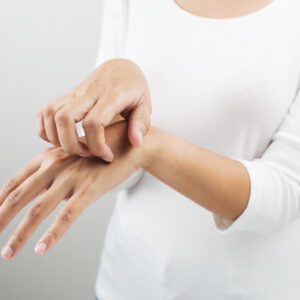
What Are Skin Allergies?
When your immune system generates antibodies to fight off things it thinks are threats, such as allergens, you get skin allergies. This immunological response makes your skin red, itchy, and inflamed, among other things that are not pleasant. It’s like your body is overprotective of things that aren’t harmful.Common Types of Skin Allergies
Contact Dermatitis
Contact dermatitis happens when your skin comes into close contact with an allergen. It usually shows up 1 to 3 days after being exposed. You may see swelling and redness around the region where you made contact. Blisters and cracks often come after that, accompanied by burning feelings and patches that look like scales.Hives (Urticaria)
Hives are raised, itchy bumps that can show up anywhere on your body. These red lumps normally show up rapidly and go away in a few hours or days. You probably have hives if you’ve ever had red bumps that showed up after eating something new. In severe situations, it can make it hard to breathe and make the throat enlarge.Eczema (Atopic Dermatitis)
About 30% of people have eczema, which is a long-term allergic disorder. It usually starts in childhood and causes dry, scaly skin that itches a lot. The frequent scratching makes the skin red and inflamed, and over time, it gets thicker.
Angioedema
Angioedema makes soft tissues enlarge, especially around the eyes, lips, and mouth. This condition can happen with or without hives and could be a sign of a significant allergic reaction. The swelling can be very big and scary.Primary Causes of Skin Allergies
Environmental Triggers
Urushiol oil is found in poison ivy, oak, and sumac, and it makes most people very sick. Pollen and other particles in the air can cause seasonal allergies that hurt your skin. Pet dander can make your skin itchy all the time. Dust mites that live in your mattress and furniture are a typical problem in homes.Chemical Allergens
Nickel is in a lot of things, such as jewellery, belts, and metal things. A lot of people become sensitive to nickel without knowing it. Latex or rubber in gloves, balloons, and other stretchy things might cause reactions. Surprisingly, scents in cleaning products, detergents, and perfumes are common allergies. Preservatives like parabens and formaldehyde releasers keep things fresh, but they can also make skin sensitive.Clothing and Fabric Reactions
That rash might be coming from your favourite garment. Dyes, chemicals used to prepare fabric, or the fibres themselves, can cause clothing allergies. Symptoms usually show up on places where clothing rubs against the skin the most. Before you wear new clothes, always wash them.Medication-Induced Reactions
Even drugs that are supposed to assist can make things worse. Bacitracin and neomycin are two typical topical antibiotics that can cause problems. Painkillers like benzocaine and hydrocortisone can make things worse. Chemical UV filters in some sunscreens can occasionally trigger the very reactions they are supposed to stop.Recognising Skin Allergy Symptoms
Immediate Symptoms
When something is wrong, your skin talks quickly. First, there is redness and swelling, and then there is itching and burning. The swelling and welts grow quickly. Bumps or blisters signal that the reaction is worse.Delayed Symptoms
Some reactions take a while to happen. Over the course of days or weeks, dry, scaly patches appear. Chronic inflammation causes the skin to thicken. If something is oozing or crusting, it could be a sign of a secondary infection. If you have an itch that won’t go away, you need to see a doctor.Warning Signs Requiring Medical Attention
Some signs need medical attention right away:- A rash that covers a lot of skin on the body
- Fever with skin responses
- Having trouble breathing or swallowing
- Severe oedema of the face or throat
Add a Comment