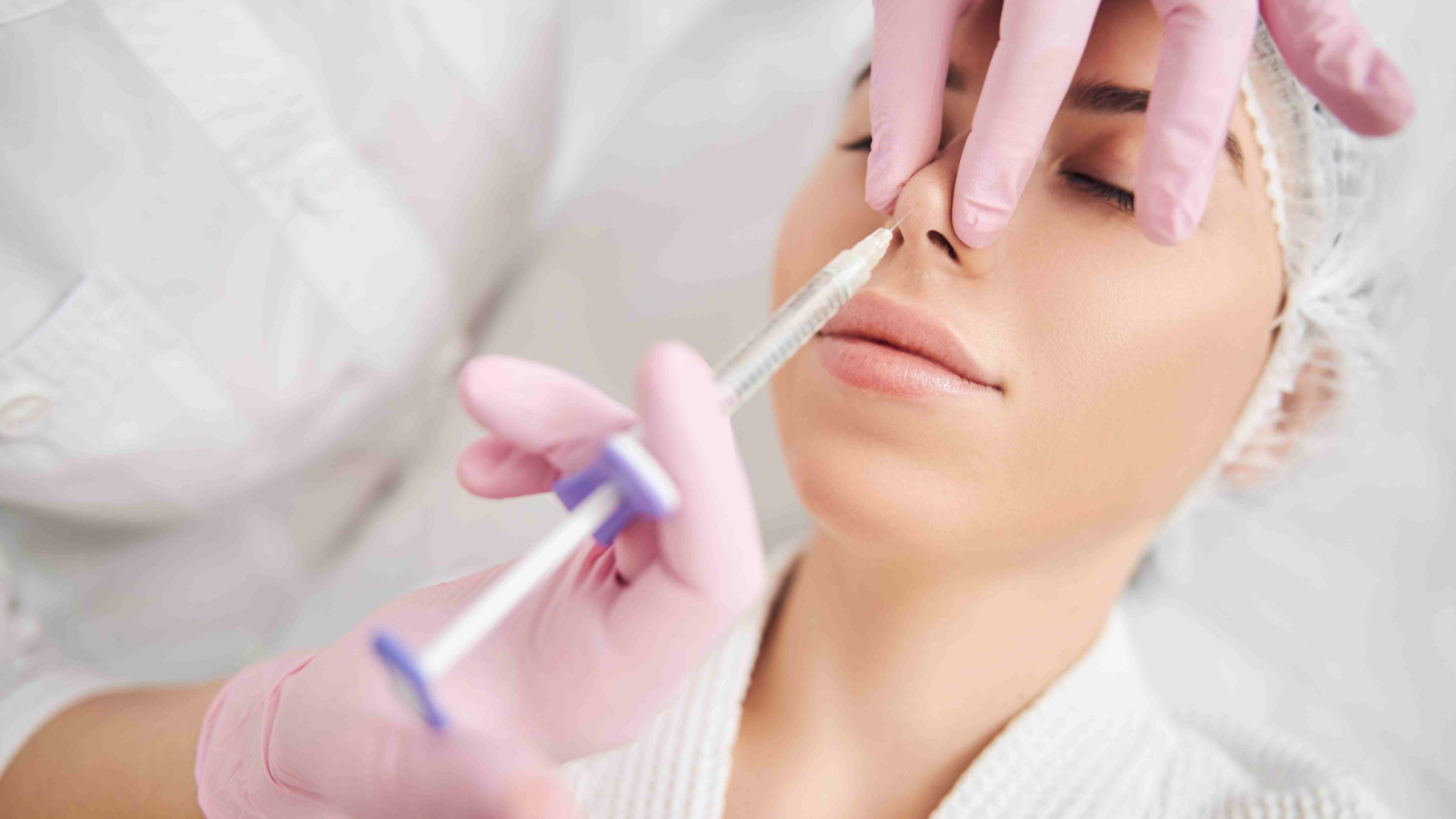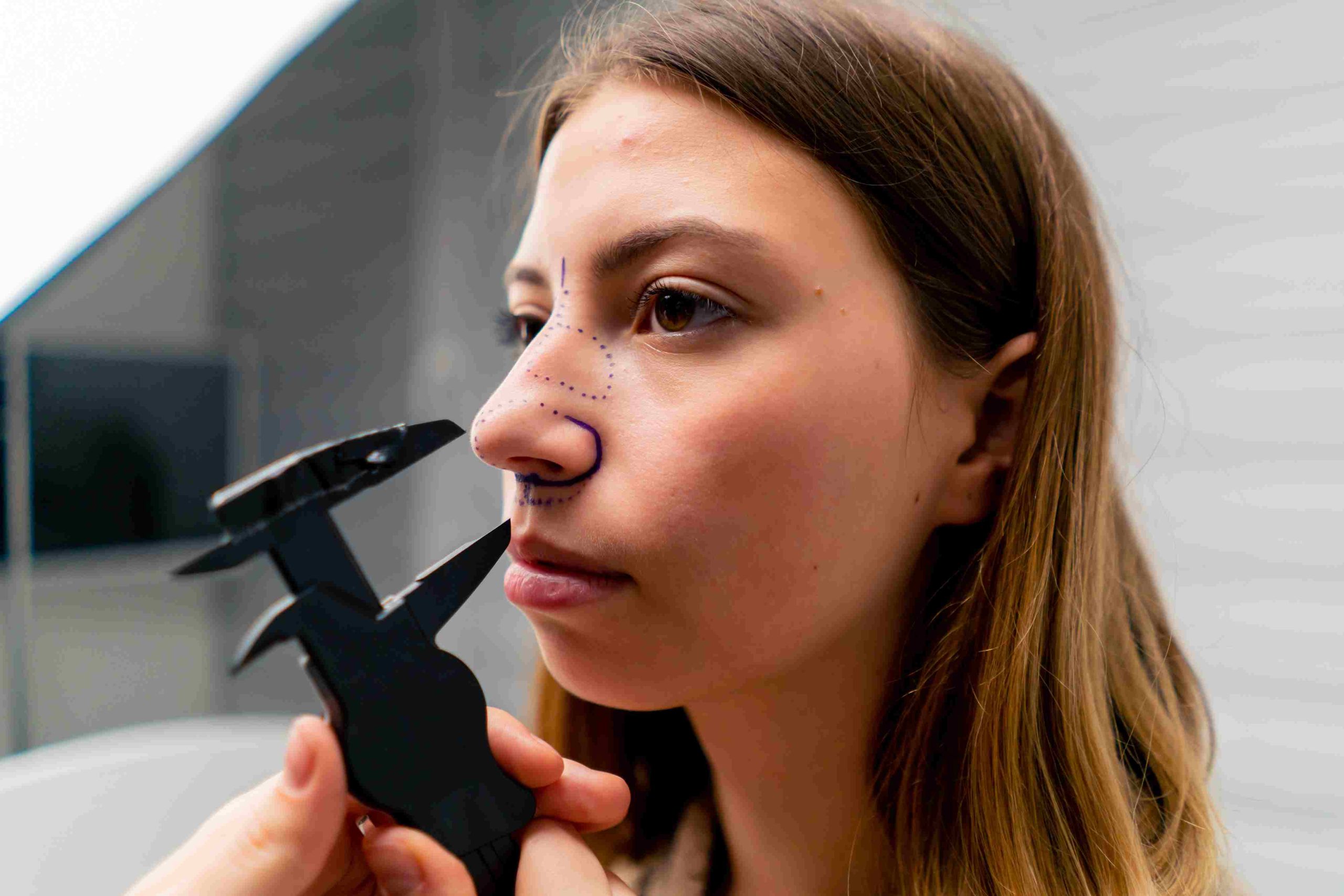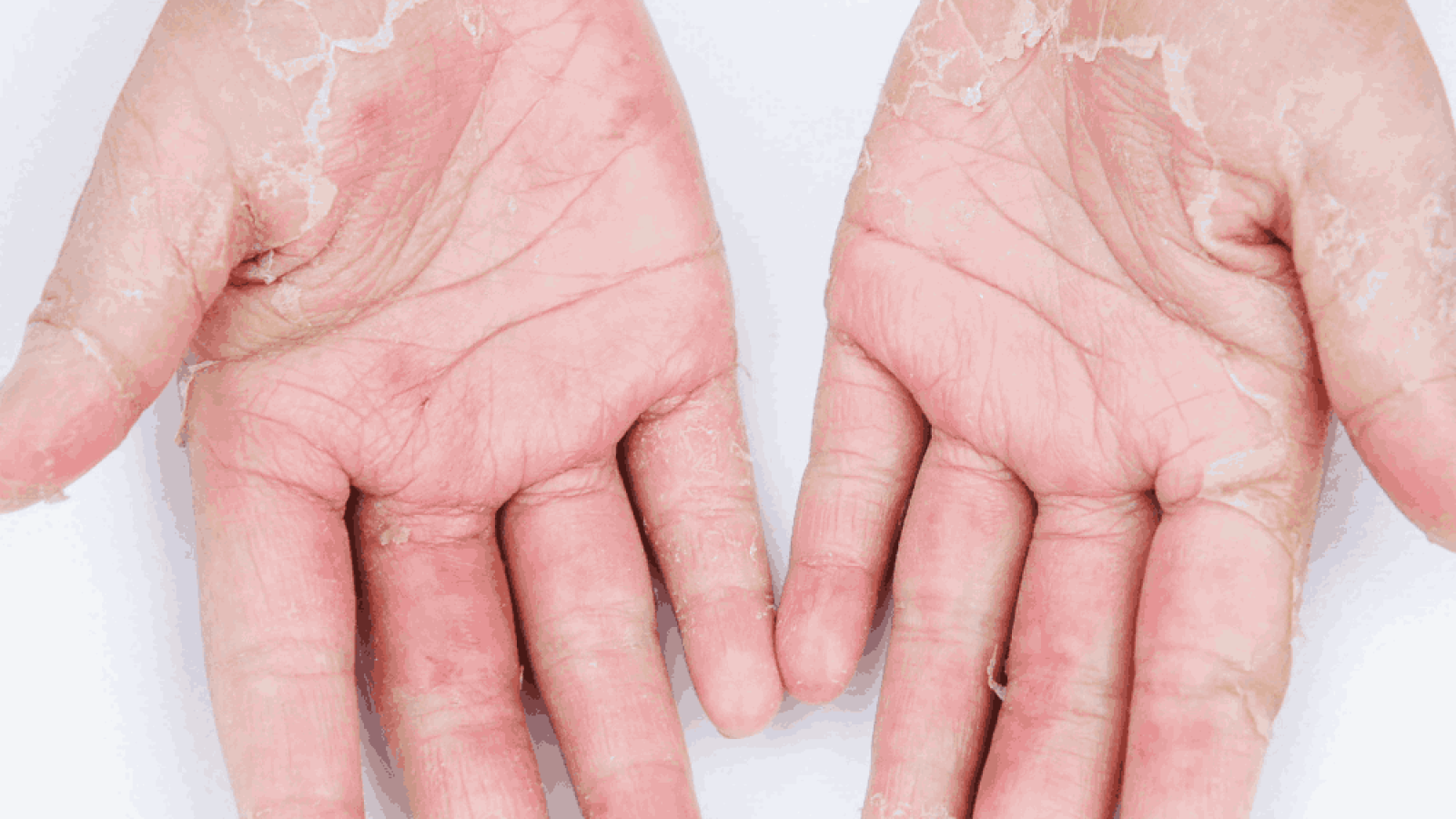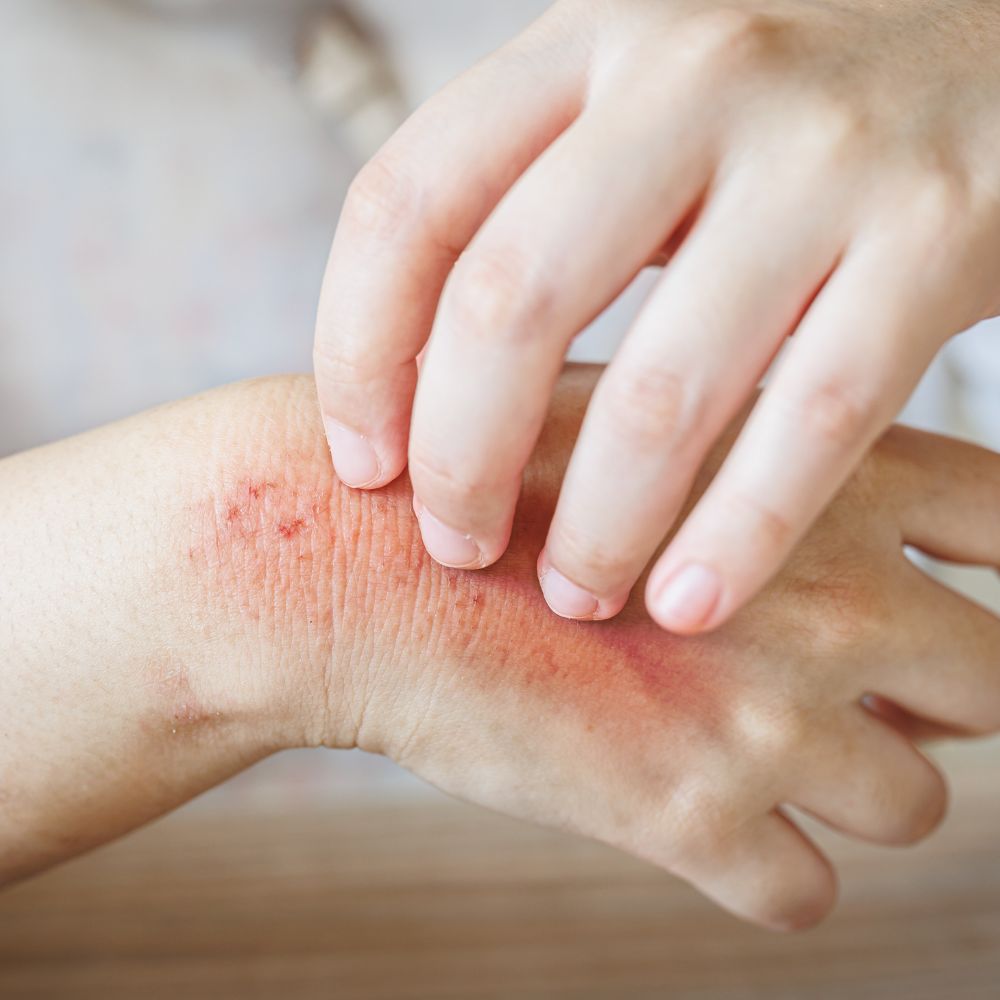
woman-uzist-works-on-modern-device-in-medical-cent-2025-03-08-17-54-28-utc_11zon

Effective Management of Hyperhidrosis: Causes, Treatments & Tips

About 3% of adults between the ages of 20 and 60 have hyperhidrosis, a disorder causing too much sweating outside of normal body temperature control. Though good management techniques exist, this illness can seriously affect quality of life.

What is Hyperhidrosis?

Eccrine glands overworking themselves to generate more sweat than required for cooling causes hyperhidrosis. This excessive sweating occurs sporadically without apparent triggers, at rest, in cold conditions, or otherwise.

Types of Hyperhidrosis

Primary Focal Hyperhidrosis

  • Genetic disorder passed on from the biological family
  • influences particular areas: hands, feet, underarms, face
  • Usually starts before one reaches 25.
  • Most typically occurring kind

Secondary Generalized Hyperhidrosis

  • Underlying medical diseases cause generalised
  • Side effects of some drugs
  • It might bring nighttime sweating.
  • influences the whole body

Common Causes of Hyperhidrosis

Medical Conditions

  • Hypertensive thyroidism
  • Diabetes, Heart disease
  • Parkinson’s disease
  • Manopause
  • Anxiety disorders

Medications That Trigger Sweating

  • Sertraline, bupropion; antidepressants
  • Painkillers, such as hydrocodone
  • Lisinopril, a blood pressure reliever
  • Thyroid drugs, often known as levothyroxine
  • Naproxen, an anti-inflammatory medication

Environmental Triggers

  • Anxiety and tension
  • Moderate temps
  • Physical exercise
  • Foods with spices or fat
  • Strong drinks with caffeine
  • Drink alcohol.

Symptoms and Affected Areas

Usually affecting areas rich in eccrine glands, hyperhidrosis:

Most Common Locations

  • Mostly prevalent, palmar hyperhidrosis is sweaty palms.
  • Underarm sweating from axillary hyperhidrosis
  • Plantar hyperhidrosis—sweaty feet
  • Face and forehead sweating in craniofacial hyperhidrosis

Associated Symptoms

  • Skin and clothes are wet
  • Sweat beads on the face
  • Skin irritation and inflammation
  • Broken or peeling skin on the feet
  • Body smell resulting from bacterial multiplication

Diagnosis Methods

Medical professionals apply particular diagnostic guidelines. A hyperhidrosis diagnosis calls for at least six months of excessive sweating plus two of these elements:

  • Underarms, palms, soles, or the face—sweating happens here.
  • Two sides of symmetric sweating
  • Either little or no night sweating
  • Weekly episodes of sweating
  • Ancestral hyperhidrosis history
  • Interference with daily responsibilities
  • Less than 25 years of age

Diagnostic Tests

  • Test with starch-iodine: The Solution gets dark blue in places of increased perspiration.
  • Test for papers: Special paper scales the generation of sweat.
  • Blood tests: Rule out fundamental diseases.
  • Thermoregulatory test for sweat: Analyzes perspiration trends.

Treatment Options

Lifestyle Management

At-Home Strategies

  • Use antiperspirants with aluminium bases (6–20% aluminium chloride).
  • Before sleeping, treat dry skin.
  • Select natural, breathable materials such as cotton, wool, and silk.
  • Take more showers.
  • Change socks one to two times a day.
  • During exercise, use moisture-wicking fabrics.

Footwear Tips

  • Choose leather shoes with air flow.
  • Get shoe insoles and foot powder.
  • Wherever feasible, wear sandals.
  • Select pantyhose with cotton soles.

Medical Treatments

Prescription Medications

  • Stronger formulations of aluminum chloride antiperspirants
  • Glycopyrrolate and oxybutynin are anticholinergic drugs.
  • Glycopyrrolate prescription creams
  • Medicated wipes based on glycopyrronium tosylate
  • Treatments for anxiety-related sweating using antidepressants
  • Beta-blockers for handling triggers

Advanced Therapies

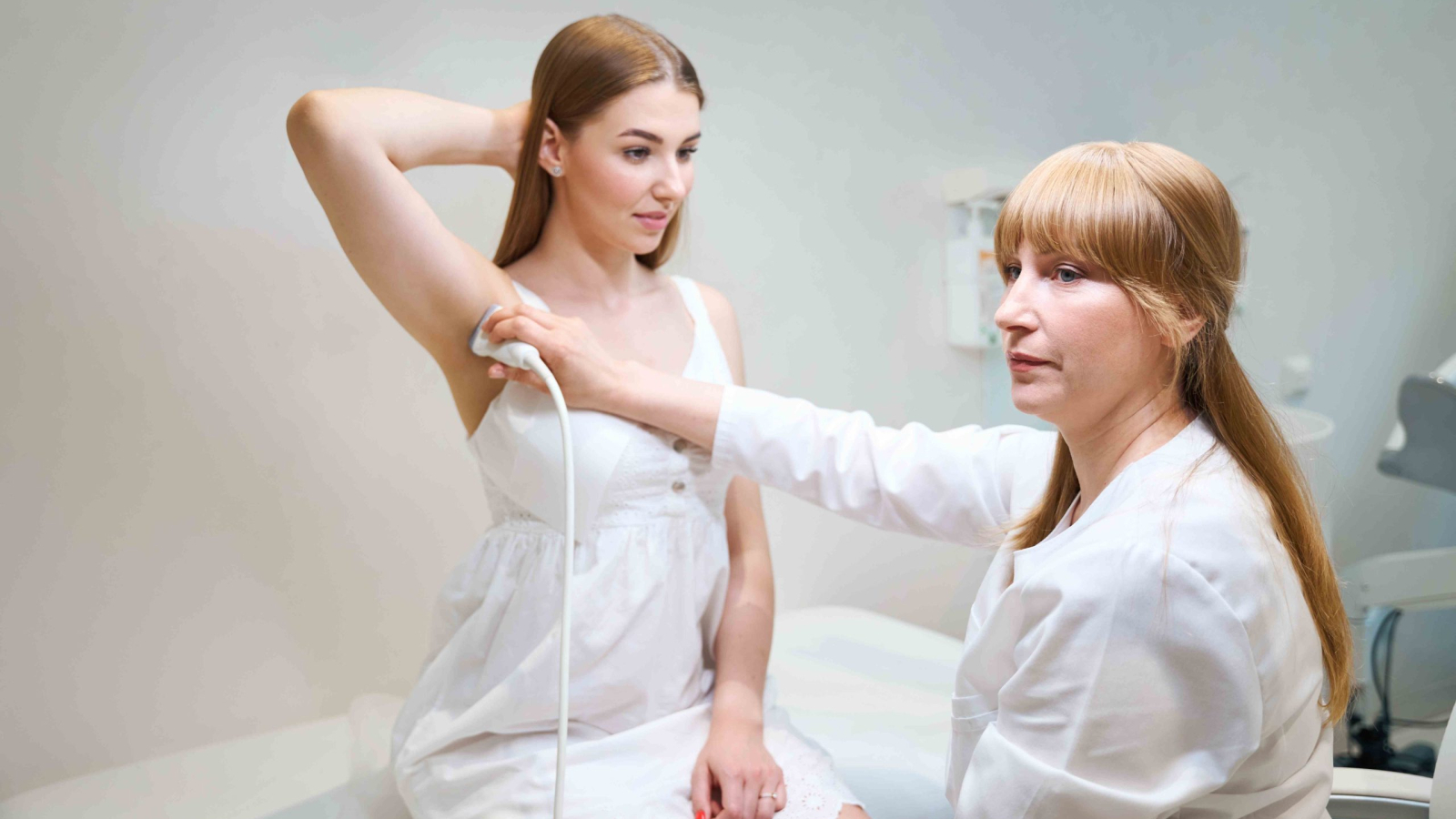
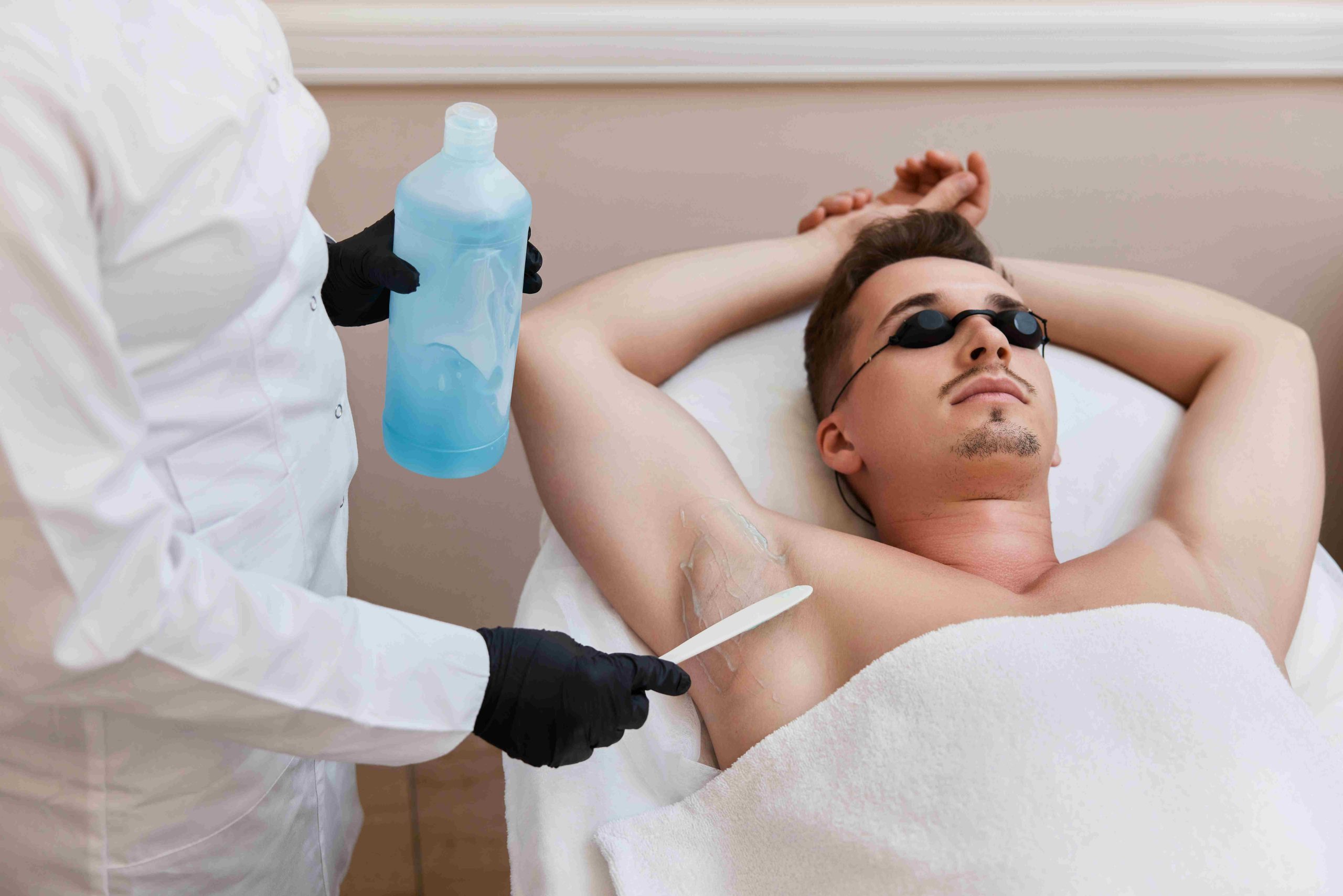
  • An injection of botulinum toxin blocks nerve signals to sweat glands; results last six months.
  • Low electrical current stops sweat glands in 10 to 20 minute sessions.
  • Microwave therapy: permanently damages sweat glands by thermal energy
hyperhidrosis

Surgical Options

Minimally Invasive Procedures

  • Endoscopic thoracic sympathectomy (ETS) slices nerves regulating sweat output.
  • The removal of sweat glands: Applications include laser procedures, liposuction, or curettage.
  • Sympathotomy: Interferes with nerve signals without cutting any nerves

Surgery is reserved for extreme instances refractory to other therapies because of possible consequences, including compensatory sweating.

Prevention and Management Tips

Preventing Flare-ups

  • Control underlying medical disorders
  • Steer clear of known triggers—spicy foods, coffee.
  • Implement strategies for stress reduction.
  • Practice good hygiene.
  • Keep drinking.

Long-term Management

  • Work with medical professionals for changes in medications.
  • Think about alternative treatments, including combinations.
  • Keep an eye on skin problems.
  • Talk on the effects on mental health.

Mental Health Considerations

Extreme emotional discomfort brought on by hyperhidrosis might lead to social disengagement and activity avoidance. Many people are ashamed of obvious sweating or worry about the responses of others.

Expert advice helps control emotional effects as well as physical ones. Mental health experts can offer ways for confidence-building and coping mechanisms.

Conclusion:

Hyperhidrosis Treatment depends on knowing your particular kind, triggers, and treatment reaction. Dealing with seasoned medical professionals guarantees correct diagnosis and treatment preparation.

See a licensed dermatologist at Cleo Clinical Care for a professional assessment and tailored treatment recommendations. If you’re searching for a dermatologist near me, our clinic provides expert care with proven results.

Furthermore, supporting general treatment effectiveness is maintaining good skin health with suitable skincare products from The Skin Theory.

FAQ’s:

Is a total cure from hyperhidrosis possible?

Although there is no cure for primary focal hyperhidrosis, therapies help to greatly control symptoms. Once the underlying reasons are addressed, secondary hyperhidrosis may go away.

At what age does hyperhidrosis usually first strike?

While secondary hyperhidrosis can strike at any age depending on underlying factors, primary hyperhidrosis usually starts before age 25.

Is inherited hyperhidrosis?

Indeed, because of genetic abnormalities influencing sweat gland function, primary focal hyperhidrosis typically runs in families.

For what duration do therapy results hold?

Antiperspirants work daily; Botox lasts six months; iontophoresis calls for maintenance visits; and surgery yields permanent benefits. Treatment times vary.

For what reason should I consult a doctor regarding too much sweating?

See doctors when sweating interferes with everyday activities, causes emotional discomfort, or develops with nausea, dizziness, or chest pain.
Cryotherapy

What Is Cryotherapy? Benefits, Risks, and What to Expect

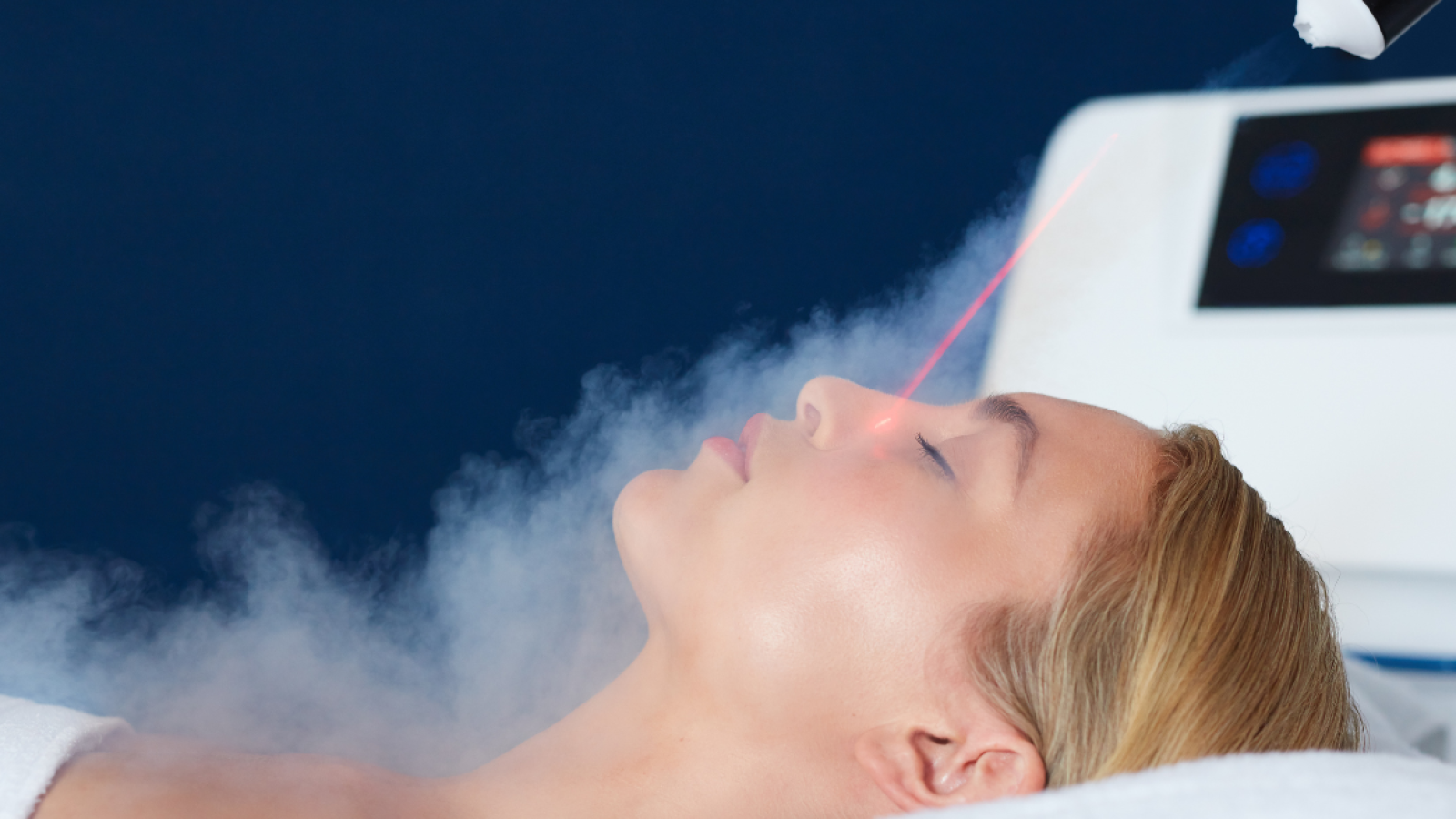
Cryotherapy is a medical procedure whereby aberrant tissue is frozen and destroyed using extremely cold temperatures. This minimally invasive operation treats many skin disorders, malignancies, and offers therapeutic benefits using temperatures ranging from -200°F to -300°F.

Types of Cryotherapy

External Cryotherapy

Applied directly to skin using spraying devices or cotton swabs, liquid nitrogen, argon gas, or liquid nitrous oxide.

Internal Cryotherapy (Cryoablation)

cryoprobe passed through tiny incisions to treat internal problems, including tumors and precancerous cells.

Whole Body Cryotherapy (WBC)

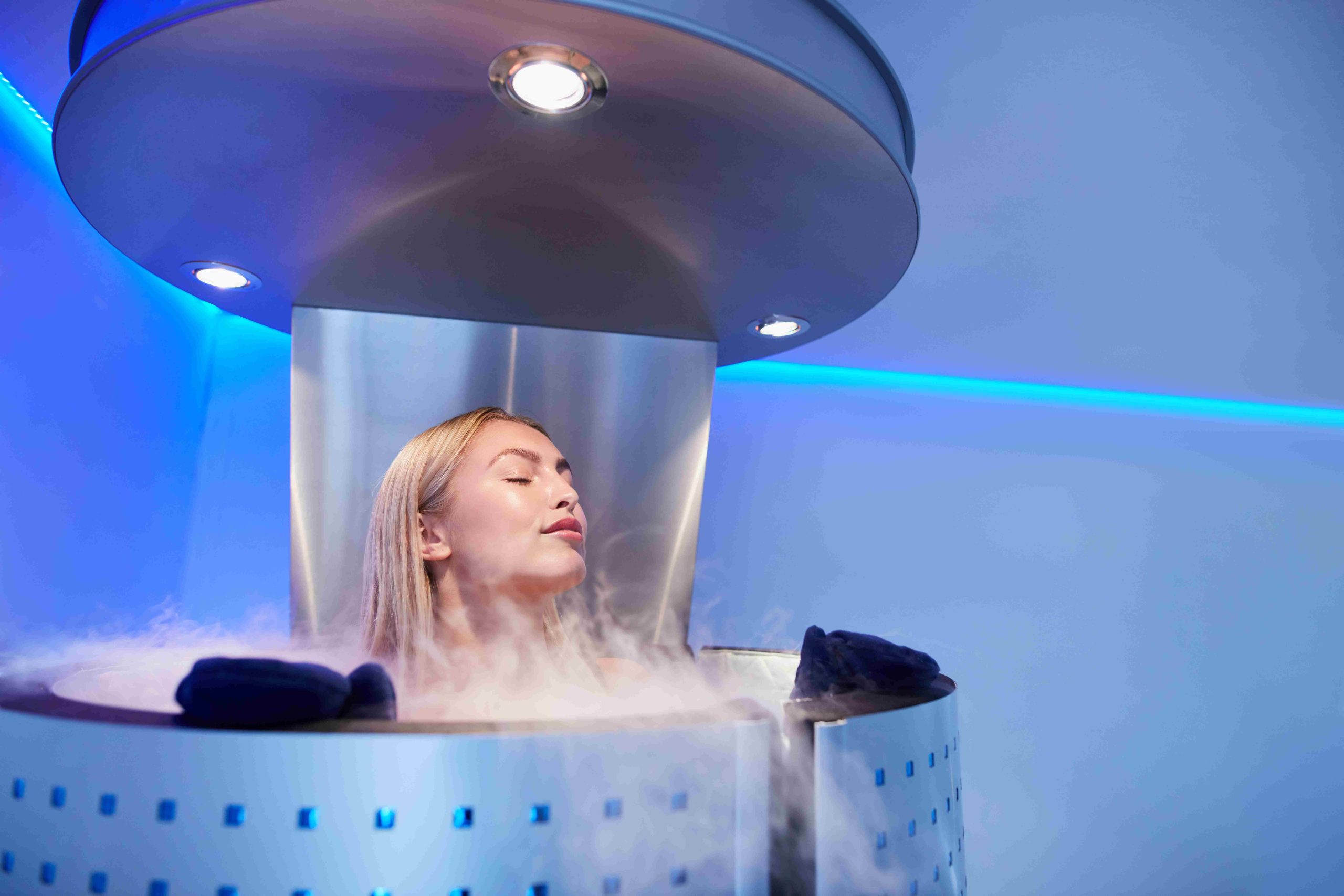
Standing in a confined chamber for two to four minutes under ultra-cold air is the basis of whole body cryotherapy (WBC).

Medical Benefits of Cryotherapy

By freezing aberrant cells, cryotherapy kills them and lets good tissue regenerate, hence treating several diseases.

Cancer Treatment Applications

  • Prostate cancer: focused freezing of tumorous material
  • Cervical Cancer: Treatment of precancerous cells
  • Liver cancer: tumours destroyed by cryoablation
  • Skin Cancers: Comprising squamous cell carcinoma and basal cell carcinoma
  • Retinal cancer treatment for youngsters

Skin Condition Treatments

  • warts: total elimination accomplished by tissue freezing
  • Skin Tags: Fast clearance without operation
  • Dark Spots: Designed treatment for problems with pigment distribution
  • Reducing inflammation and enhancing skin health helps atopic dermatitis

Cryotherapy

Pain Management Benefits

  • Cooling the neck nerves helps to ease migraine intensity.
  • Treatments for nerve pain, including numbness and inflamed neuromas
  • Arthritic Pain: Dramatic decrease in arthritis sufferers’ pain
  • Long-term relief for chronic ailments

Mental Health Applications

  • Disorders of Mood: Released noradrenaline, adrenaline, and endorphins.
  • Anxiety Management: Temporary success in lowering symptoms
  • Management of Depression: Good hormonal reactions raise mood.

What to Expect During Treatment

Preparation Phase

Most external treatments require no particular preparation. Internal treatments could call for ceasing blood thinners 12 hours before.

During the Procedure

External treatments apply freezing agents straightforwardly. Under either local or general anesthesia, inside operations place probes precisely using ultrasonic guidance.

Recovery Process

  • External: For one to three days, redness and blistering, development of scabs, healing in one to three weeks
  • Internal: Up to three days of moderate pain; the immune system slows down tissue clearance
  • Cervical: Potentially watery discharge spanning several days to weeks

Risks and Side Effects

Common Side Effects

  • Transient tingling and numbness
  • Skin redness and irritability
  • Mild edema at the treatment location
  • Uncomfortable temporarily during mending

Potential Complications

  • bleeding: especially following cervical operations
  • Damage to the nerves: The Possibility of lifelong sensory deprivation
  • Rare yet likely with deep treatments are bone fractures.
  • Skin Infections: Demand appropriate follow-up.
  • Scarring: Not too bad with correct technique

Contraindications

Patients with diabetes or nerve diseases should avoid cryotherapy since their incapacity to correctly perceive temperature effects.

Treatment Guidelines and Safety

Duration Limits

  • Whole Body: Four minutes at most in each session
  • Ice Applications: Never spend more than twenty minutes.
  • Professional Treatments: Adopt the practitioner’s advice.

Safety Protocols

Always wrap ice packs in towels; wear protective gear during whole-body treatments; and pre-discuss medical issues with your doctors.

Professional Treatment vs. Home Care

Medical Cryotherapy

carried out by qualified healthcare professionals with specific tools for exact temperature control and focused application.

At-Home Treatments

Restricted to ice packs and cold treatment for minor ailments, never try to match expert cryotherapy temperatures.

Cleo Clinical Care Services

Professional cryotherapy treatments, among other thorough dermatological treatments, are offered at Cleo Clinical Care. Our knowledgeable medical staff guarantees appropriate, safe treatment for several skin disorders and medical issues. To provide the best patient outcomes, we provide individualized care programs integrating medical knowledge with cutting-edge treatment technologies.

We advise combining premium skincare products from The Skin Theory with complimenting cryotherapy treatments to support healing and preserve skin health for best results.

Conclusion:

By means of regulated freezing techniques, cryotherapy presents established medical advantages for treating malignancies, skin diseases, and provides pain relief. Although professionally done typically is safe, knowledge of hazards and appropriate aftercare guarantees the best results.

Looking for a dermatologist near me? Get expert cryotherapy and personalized skincare advice from our experienced dermatologists.

FAQ’s:

How does cryotherapy work?

While inside procedures may need 30 to 60 minutes, including preparation, external treatments last 1 to 5 minutes.

Is treatment with cryotherapy uncomfortable?

Most patients feel only slight discomfort during treatment; modest pain usually lasts one to three days following.

Number of sessions required?

For skin problems, single treatments usually suffice; some situations may call for two to three sessions for total clearance.

Is cryotherapy something anyone can have?

Though most people are candidates, diabetics and those with nerve problems should refrain from this treatment.

When should I start to see changes?

First changes show up in a few days; complete healing and final outcomes show up in one to three weeks.

nose reshaping surgery

Ultimate Guide to Nose Reshaping: Benefits, Procedure & Recovery

With over 200,000 Americans selecting this alteration yearly, nose reshaping surgery (rhinoplasty) is still among the most sought-after cosmetic surgeries. Whether your goal is to improve breathing or increase appearance, this thorough book addresses all you need to know about obtaining face harmony with rhinoplasty.

What is Rhinoplasty?

A rhinoplasty is a surgical operation used to enhance the look or function by changing the form and structure of the nose. This operation tackles the cartilage and bone elements forming your nose structure, therefore producing balanced facial proportions and maybe correcting breathing problems.

Benefits of Nose Reshaping

Enhanced Facial Harmony

  • improves the harmony between face characteristics
  • enhances the profile’s look.
  • tackles problems with asymmetry

Functional Improvements

  • fixes structural flaws, including a deviated septum
  • enhances breathing capacity
  • Lessons on snoring in some patients

Psychological Benefits

  • increases confidence
  • lessens self-consciousness about looks
  • increases comfort and hence enhances the quality of life.

Nose Reshaping

Types of Rhinoplasty Procedures

Open Rhinoplasty

This approach gives surgeons the best access to nasal tissues by a short incision across the columella, which is the tissue between the nostrils. Perfect for more difficult situations needing major reshaping.

Closed Rhinoplasty

Closed rhinoplasty leaves no obvious scarring as all incisions are made inside the nostrils. Usually producing less edema and shorter recovery time, this method is appropriate for small repairs.

Revision Rhinoplasty

Specialized operation to fix or enhance outcomes of past nose reshaping surgery. calls for sophisticated knowledge since changed nasal tissues and scar development produce different effects.

Preparing for Your Rhinoplasty

Medical Evaluation

  • Review of the complete medical history
  • Physical study of the nasal anatomy
  • Type and thickness assessment of skin
  • Detailed nose photos from several angles

Pre-Surgery Guidelines

  1. Two weeks before surgery, avoid aspirin and ibuprofen, which thin blood.
  2. Cut off smoking at least four weeks before the operation.
  3. Plan your route home from the surgery.
  4. Get the region ready for recuperation with the required tools.
  5. See all fasting guidelines before anesthesia.

The Rhinoplasty Procedure

Anesthesia Options

Surgeons may use general anesthesia or local anesthesia with sedation, depending on the case complexity, to guarantee patient comfort throughout the operation.

Surgical Techniques

The surgeon meticulously accesses the nasal tissues and performs exact changes to cartilage and bone during surgery. When extra support is required, cartilage grafts can come from the ear, rib, or septum.

Procedure Duration

Depending on complexity and whether functional improvements are incorporated, most rhinoplasty procedures take 1 to 3 hours to finish.

Recovery Timeline

First Week

  • Still in place for support is the nasal splint.
  • notable bruising and swelling, particularly around the eyes
  • Medication recommended for pain management
  • The head has to be kept raised during sleep; little physical exercise is advised.

Weeks 2-3

  • Splints and stitches taken out; most of the obvious bruising goes away
  • Get back into light, everyday routines.
  • Keep away from intense physical activity.

Months 1-3

  • slow down of swelling
  • better breathing capacity
  • First outcomes start to show more clearly.
  • Resuming regular physical exercise

Final Results

Usually, twelve to eighteen months after surgery, complete healing and ultimate results show up as residual swelling completely disappears and nasal tissues settle into their new place.

Choosing the Right Surgeon

Excellent rhinoplasty depends on choosing a knowledgeable surgeon. Search for board certification, specialized training, lots of nasal surgical expertise, and glowing patient comments. Examine before-and-after pictures of past patients to be sure the surgeon’s style fits your objectives.

Managing Expectations

Pleasure with your rhinoplasty results depends on knowing what reasonable results are. Talk about your objectives carefully during the consultation and understand that exact symmetry might not be reachable. The greatest outcomes accentuate your inherent facial characteristics instead of producing a whole new look.

About Cleo Clinical Care

Looking for a dermatologist near me? At Cleo Clinical Care, our dermatologists offer innovative rhinoplasty methods with thorough consultations, customized care plans, and first-rate surgical results at our modern facility in Pakistan.

Combining artistic creativity with medical knowledge, we provide natural-looking outcomes catered to the patient’s particular facial anatomy and aesthetic goals.

Conclusion:

When done by qualified experts, rhinoplasty can drastically enhance beauty and quality of life. See our Dermatologist right now for tailored information regarding nose reshaping surgery choices. Our professionals will evaluate whether rhinoplasty is appropriate for you and design a unique surgical plan to attain your intended outcomes. 

Explore skincare products from The Skin Theory, along with complimentary skincare tips and products to enhance your results

FAQ’s:

How uncomfortable is recovery from rhinoplasty?

Usually controlled successfully with recommended medicine throughout the first three to five days, most patients feel only moderate discomfort rather than severe pain.

Will my insurance pay for a rhinoplasty?

Usually, only for functional reasons like treating breathing issues, insurance covers rhinoplasty; generally speaking, only cosmetic treatments are not covered.

After nose reshaping, when can I go back to work?

Most patients can go back to desk work in 7–10 days; employment demanding physical effort may call for 2–3 weeks of recuperation time.

Does a rhinoplasty produce permanent effects?

Though natural aging will always damage your nose over time, rhinoplasty outcomes are permanent; injury could therefore change results.

The most frequent hazards that accompany nose reshaping operations?

The most often occurring hazards are transient numbness, edema, dyspnea, asymmetry, and occasionally discontent with aesthetically pleasing results needing revision.

Fungal Infections

Understanding Fungal Infections: Symptoms, Causes, and Effective Treatments

Mycoses, fungal infections, occur when dangerous fungi attack the body and overpower the immune system. Millions of people worldwide suffer from these infections; they might strike internal organs, skin, nails, or hair. This thorough book addresses all you need to know about fungal infections, their symptoms, causes, and the most successful Fungal Treatments.

What Are Fungal Infections?

Fungal infections are diseases brought on by fungi, yeasts, or molds that attack and proliferate in several body areas. Although many fungi dwell on our bodies naturally without causing any issues, several diseases can induce overgrowth and illness.

Types of Common Fungal Infections

Ringworm (Tinea Corporis)

On the skin, ringworm shows as round, itchy lesions with elevated margins. Though its name suggests otherwise, fungus rather than worms causes it. The infection might show up:
  • Pink or crimson tones on lighter skin
  • Grey or brown tones of a darker complexion
  • With a centre of clear skin and expanding margins

Athlete’s Foot (Tinea Pedis)

Like shoes, stockings, and locker rooms, this common foot infection thrives in warm, damp surroundings. See for:
  • Skin breaking or peeling between the toes
  • Burning feelings, stinging, or itching
  • Blisters and discoloration occasionally
  • Layered soft or breaking down skin

Jock Itch (Tinea Cruris)

Particularly in warm, humid environment, jock itch mostly affects the groin, buttocks, and inner thighs. Among the symptoms are:
  • Groin region flaky, scaly skin
  • Chafing and acute itching
  • Ringed circular rash with elevated margins
  • Discolouration: gray/brown on darker skin, red or pink on light skin

Yeast Infections (Candidiasis)

Overgrowth of candida can impact many body areas:
  • Infections involving vaginal yeast: Pain, itching, odd discharge
  • White patches in the mouth or throat are oral thrush.
  • Diaper rash is red, inflamed skin in the diaper area.
  • Nails that are discoloured, thick, or cracked:

Causes of Fungal Infections

  • Harmful fungi invade via wounds or cuts to cause fungal infections.
  • Natural fungi on your body proliferate in response to environmental factors.
  • Your system of immunity gets impaired.
  • Antibiotics throw off the microbial natural equilibrium.
Fungal Skin Infections

Common Fungi Found to Cause Illnesses:

  • Dermatosites: Target keratin in nails, skin, and hair.
  • Candida: A naturally occurring yeast that can proliferate excessively
  • environmental fungus: From water or soil, Histoplasma, Aspergillus

Factors of Risk

If you run a higher risk of fungal diseases.
  • Have cancer or HIV/AIDS and a compromised immune system.
  • Take some drugs, including immunosuppressants and antibiotics.
  • Deal with weak circulation or diabetes.
  • Spend time in public areas that have been damp, pools, locker rooms.
  • Live in tropical, warm environments.
  • Wear tight, non-breathable garments.
  • Feel as though you sweat excessively.

Diagnosis and Testing

Healthcare professionals identify fungal infections using visual inspection of impacted sites.
  • Examined under a microscope: skin, nail, or tissue samples
  • Cultures to proliferate and name the particular fungus
  • Imaging for deep fungal infections or blood testing

Effective Treatments

Topical Treatments

  • powders, sprays, and antifungal creams
  • Over-the-Counter Fungal Treatments for Minor Illnesses
  • Prescription-strength formulas for severe conditions

Oral Medications

  • Designed for either severe or recurring infections
  • usually required in systemic conditions or nail infections
  • could call for weeks or months of therapy.

Home Care

  • Maintaining the affected areas dry and clean
  • Treat scalp problems using medicated shampoos.
  • Change your pants and socks.
  • Give the impacted areas breathing room.

Prevention Strategies

With these basic habits, avoid fungal infections:
  • Keep up decent personal cleanliness.
  • After bathing, dry completely, especially between toes.
  • Choose cotton, breathable pants, and socks.
  • Share personal objects like towels or hairbrushes only.
  • In public restrooms and locker rooms, wear sandals.
  • Change straight away from moist clothes.
  • In warmer conditions, avoid tight-fitting clothing.
  • Use powder antifungals in shoes or trouble areas.

When to See a Dermatologist

See a dermatologist if you run across:
  • Infections that worsen with over-the-counter medication
  • Recurrent fungal diseases
  • Distributing illness or severe symptoms
  • Infections alongside immunological problems or diabetes
  • Unusual or extreme discomfort

Fungal Infections and Skincare

Appropriate skincare products from The Skin Theory can help control and avoid fungal infections. Check for:
  • Non-comedogenic moisturisers
  • Products marked “fungal acne safe” use ingredients like ketoconazole or zinc pyrithione.
  • pH-based cleaners

Clinical Care Options

We at Cleo, a skincare Clinic, provide specific therapy for every kind of fungal infection. Our doctors provide individualized treatment regimens comprising professional-grade topical treatments, prescription drugs, and preventative techniques catered to your particular ailment. To get a consultation and get Fungal Treatments for either mild or severe fungal diseases.

Conclusion:

Common but controllable with appropriate therapy and prevention are fungal infections. If your symptoms point to a fungal infection, see a dermatologist for a correct diagnosis and effective fungal treatments. Searching for a dermatologist near me can help you find expert care. Most fungal infections are fully curable with proper treatment, though some may require ongoing management to prevent recurrence.

FAQ’s:

Is my rash fungal or something else?

Usually with defined borders, fungal rashes may be ring-shaped, induce itching, and not react to anti-inflammatory medicines like hydrocortisone.

Are diseases with fungus communicable?

Indeed, many superficial fungal illnesses, including athlete’s foot and ringworm, can be acquired via direct touch with an infected individual or contaminated object.

A fungal infection takes how long of time to clear?

While complete clearance may take more time for nail or severe infections, most superficial fungal infections resolve within 2 to 4 weeks of appropriate therapy.

After therapy, may fungal infections return?

Indeed, recurrence is common in cases when the whole treatment course is not followed or when risk factors are not addressed through preventative actions.

Can I cure fungal infections using home remedies?

While some natural compounds, such as tea tree oil, show antifungal action, clinical infections usually call for proven medical treatment for consistent outcomes.
Keloid Treatment

Effective Keloid Treatment Options: How to Reduce and Remove Keloid Scars

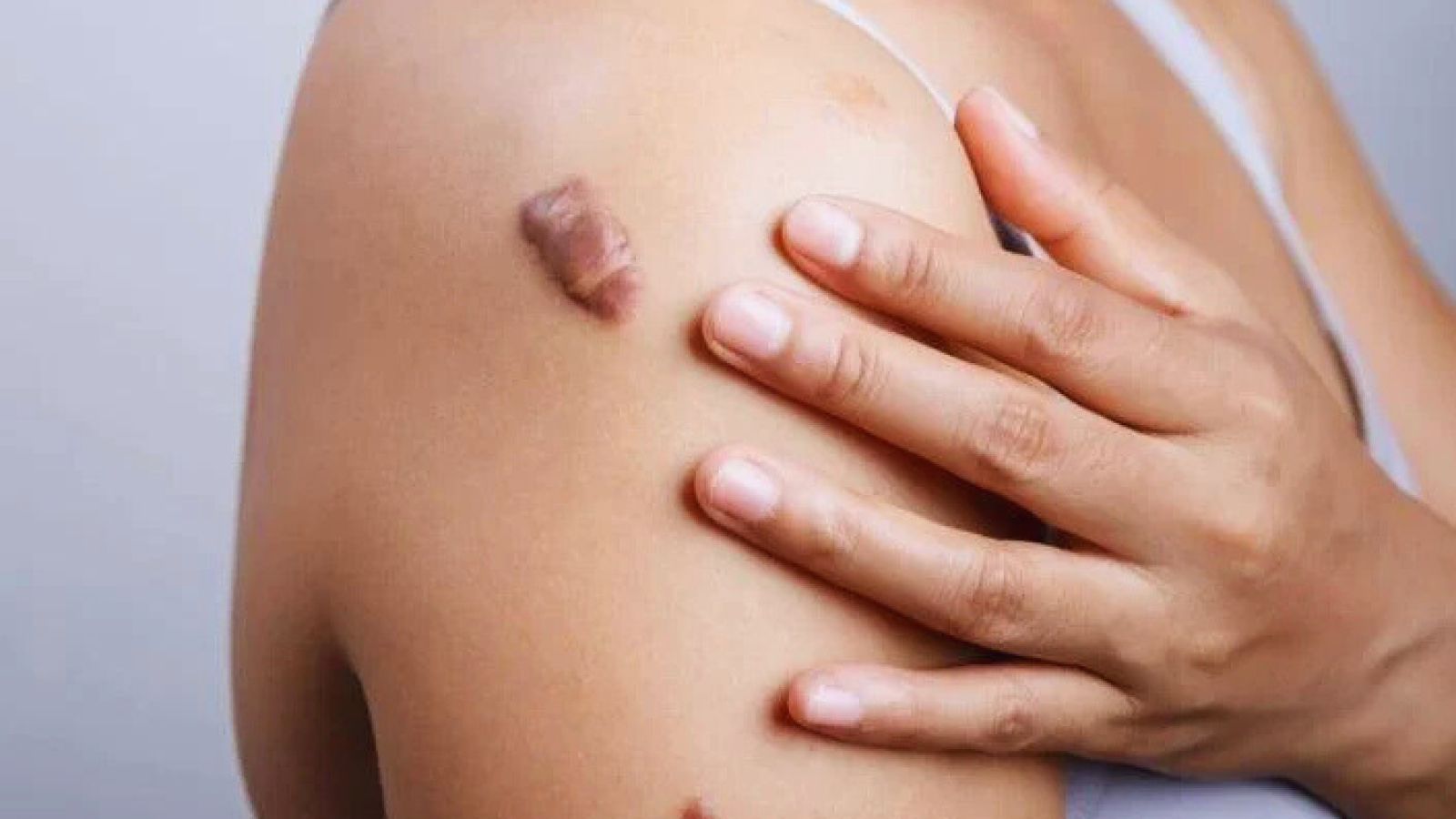
Living with keloid scars can be difficult and compromise appearance as well as confidence. When extra collagen develops throughout the healing process and spans the original incision site, a Keloid Treatment.  The good news is that several successful treatment approaches exist to minimize and maybe eliminate keloid scarring.

What Are Keloid Scars?

Rising, thickened regions of skin known as keloid scars form following trauma or injury. Unlike ordinary scars, keloids:
  • Keep expanding outside the lines of the first healing.
  • seem darker than the surrounding skin, red, purple, or otherwise
  • It might bring itching, sensitivity, or pain.
  • Often seen on the jawline, shoulders, earlobes, and chest.

Medical Treatment Options for Keloid Scars

Corticosteroid Injections

Direct infusion of corticosteroids into the keloid can flatten the scar and help to lower inflammation. For best outcomes, most patients need several treatments separated by 4-6 weeks.

Silicone Gel and Sheets

Products made of silicone provide a barrier that controls collagen synthesis using protecting.
  • Direct silicone gel or sheets straight to the keloid.
  • Use it constantly for twelve-plus hours every day.
  • Treat for a minimum of two to three months.
  • One finds flattening and softening of scars.

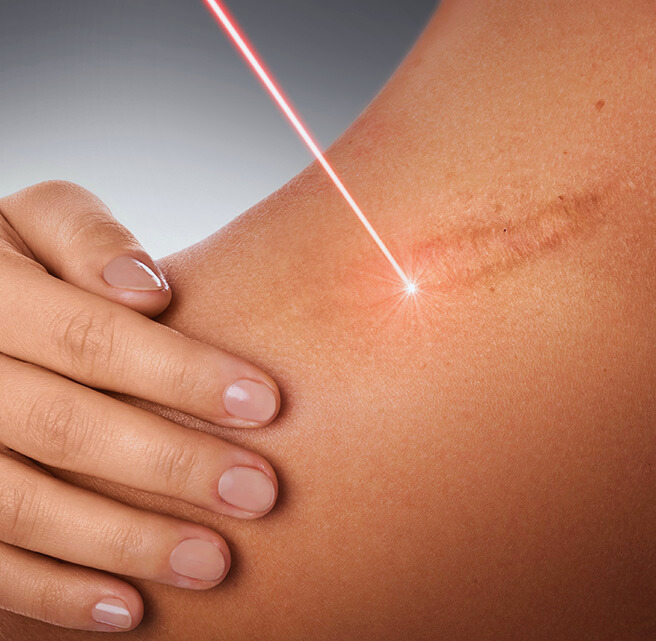
Laser Therapy

Advanced laser therapies aim at the blood vessels and collagen inside keloids:
  • Less inflammation and redness
  • reduce the formation of scar tissue.
  • Calls for several sessions to produce the best outcomes.
  • Usually paired with other therapies for maximum impact.
Keloid Treatment

Cryotherapy

This procedure uses liquid nitrogen freezing of the keloid tissue:
  • Especially successful for minor keloids
  • May result in transient skin whitening.
  • Usually calls for more than one session.
  • Usually taken in tandem with steroid injections

Pressure Therapy

A healed wound or an existing keloid under constant pressure will stop overgrowth:
  • Specialized pressure clothing or earring backs for keloids of the earlobe
  • Must be worn 12 to 23 hours per day.
  • Six to twelve months is the treatment length.
  • Most successful for keloids just starting to develop

At-Home Care for Keloid Scars

Silicone-Based Products

Consistent application of over-the-counter silicone sheets and gels over several months can help minimize keloid appearance.

Sun Protection

UV light can darken and increase the visibility of keloid scars. Apply SPF 30+ sunscreen to keloid scars always when in direct sunlight.

Gentle Massage

Frequent light massages of keloid scars can help reduce scar tissue and increase flexibility:
  • With fingertips, apply soft pressure.
  • Before the massage, use moisturizer.
  • Five to ten minutes every day for massaging
  • Proceed for several months as well.

Natural Remedies

Certain natural compounds could assist in minimizing the formation of keloids:
  • Products containing onion extract (quercetin)
  • Honey for anti-inflammatory effects
  • Aloe vera gel will help to calm and lower inflammation.

When to Seek Professional Help

See a dermatologist if you need Keloid Treatment:
  • Develops quickly.
  • Generates great suffering or agony.
  • Restrain motion or ability.
  • Influences your emotional state or self-confidence.

Prevention Tips for Those Prone to Keloids

If you have past keloids, think about these preventive steps:
  • Steer clear of tattoos and needless piercings.
  • Give careful thought to elective operations.
  • Treat acne right once to avoid scars.
  • Put silicone sheets over fresh cuts.
  • Steer clear of picking at cuts or scars.

Finding the Right Treatment Approach

Usually, the best keloid therapy consists of combining many techniques. Create a tailored treatment plan, depending on working with a skilled healthcare provider on:
  • Your keloid’s size and location
  • For how long have you had the keloid?
  • Former treatments you have experimented with
  • Your tonality and skin type
Visit the professional skincare products to match your keloid treatment strategy.

Consult a Professional

Looking for a dermatologist near me? See a skilled dermatologist at Cleo who can assess your particular situation and suggest the best course of action for professional treatment of keloid scars, along with tailored guidance.

Conclusion:

Controlling keloid scars calls for both consistency and patience. Although total elimination can be difficult, with the correct mix of professional treatments and at-home maintenance, notable improvement is likely. See a dermatologist without delay to create a customized treatment plan fit for your particular requirements.

FAQ’s:

Are keloid scars entirely removable?

Although total eradication is difficult, most keloids can be greatly shrunk in size and appearance with appropriate therapy combinations and regular maintenance.

Does Keloid therapy take time to show effects?

Most treatments ask for patience; first benefits usually show after 4-6 weeks and major outcomes usually take 3-6 months of constant treatment.

Do keloids endanger my health?

Though they can cause discomfort, reduced movement in some regions, and mental stress from cosmetic issues, keloids are not dangerous to physical health.

After therapy, can keloids be resurfaced?

Indeed, keloids have a high recurrence rate; hence, long-term therapy is usually advised using combination treatments and preventive actions.

Does insurance address keloid treatment?

While cosmetic operations are usually not reimbursed, insurance may pay for keloid treatments when they create functional concerns or pain; ask your provider.
doctor-performing-ultrasound-on-a-child-while-moth-2024-10-20-00-28-25-utc_11zon

Biopsy Guide: Types, Procedures, Results, and Potential Risks

An important medical operation enabling reliable diagnosis by means of tissue sample examination is a biopsy. Doctors can exactly and boldly diagnose many health disorders, including possible malignant growths, by gathering and examining a tiny amount of tissue.

Types of Biopsies

Needle Biopsies

One least intrusive methods of tissue collecting is needle biopsies. Among these techniques are core needle biopsies, which take a tiny column of tissue, and fine needle aspiration, which utilises a thin needle to retrieve fluid and cells.  By targeting certain locations with improved imaging techniques, image-guided needle biopsies offer even more accuracy.

Surgical Biopsies

Should needle samples be insufficient, surgical biopsies provide a more complete tissue analysis. While incisional biopsies extract a piece of tissue, precisional biopsies remove whole questionable areas.  Laparoscopic biopsies minimize invasiveness through small incisions and specialized equipment, thereby getting the correct samples.

Specialized Biopsies

Some diseases call for special biopsy techniques. Bone marrow biopsies look at the spongy tissue inside bones; skin biopsies look at dermatological issues; endoscopic biopsies let interior tissue samples be taken using flexible tubes with tiny cameras. biopsy

Biopsy Procedure: What to Expect

Preparation

Getting ready for a biopsy calls for extensive medical review. Patients might have to change their meds, follow particular dietary guidelines, or have initial imaging scans.  Depending on your particular medical history and the kind of biopsy scheduled, your healthcare professional will offer specific advice.

During the Procedure

Since most biopsies are done under local anesthesia, there is minimal discomfort. Usually, the operation consists of carefully gathering tissue samples with certain medical equipment.  The biopsy type will determine how long the procedure takes, between 10 and 60 minutes, with most patients merely feeling slight pressure or temporary discomfort.

Understanding Biopsy Results

Diagnostic Insights

Biopsy results provide critical medical information. Pathologists analyze the tissue sample under a microscope, looking for evidence of cancer, inflammation, infection, or other medical disorders.  The extensive analysis helps doctors make correct diagnoses and design appropriate treatment regimens.

Result Interpretation

The pathology report offers extensive insights into the tissue sample. It can show the nature of the cells, their features, and potential health concerns.  Your doctor will go over the results, talking about the next actions and any required follow-up treatments or more tests.

Potential Risks and Considerations

Medical Risks

Biopsies come with some hazards, just like any medical treatment. These could include little bleeding, bruising, or a small chance of infection. Most problems are rare and can be reasonably controlled by medical practitioners.  Your doctor will go over possible dangers unique to your operation.

Emotional Considerations

One can find great emotional difficulty waiting for biopsy findings. One should expect to be nervous at this period. To help patients negotiate this demanding period, several medical professionals give support materials and counselling.  You absolutely should be open with your medical team.

Conclusion

Good treatment depends on early identification. Trust skilled medical advice and give your health priority through rapid and exhaustive diagnostic processes for complete biopsy procedures in Lahore. Discover the skincare products of Cleo that enhance your well-being to improve your whole health management.

FAQ’s:

Q1: Do biopsies hurt?

Under local anaesthesia, most biopsies cause little discomfort. During the operation, patients could feel little pressure or momentary pinching.

Q2: A biopsy takes how long of time?

Usually finished in 30 minutes, biopsies can last anywhere from 10 to 60 minutes, depending on the type.

Q3: When will my biopsy findings arrive?

Usually, findings take one to two weeks. Your doctor will call to go over the results.

Q4: Does a biopsy indicate I have cancer?

Most biopsies are non-cancerous. It’s a diagnostic tool meant to help identify tissue anomalies.

Q5: How might I be ready for a biopsy?

As directed by your doctor, which can call for fasting rules and prescription changes.
Cautery Treatment

Cautery Treatment Clarified: Advantages, Drawbacks, Healing

What is Cautery Treatment?

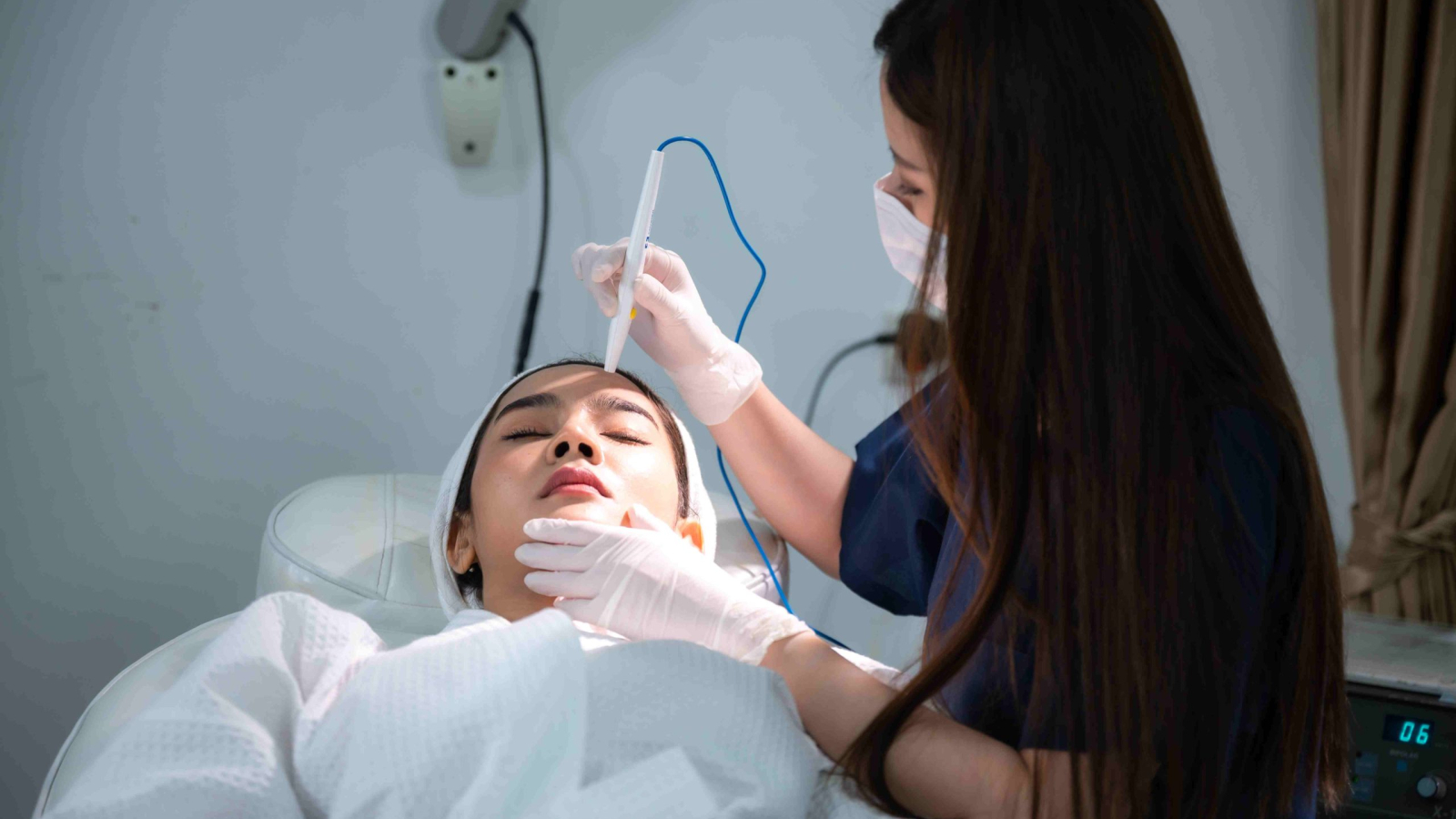
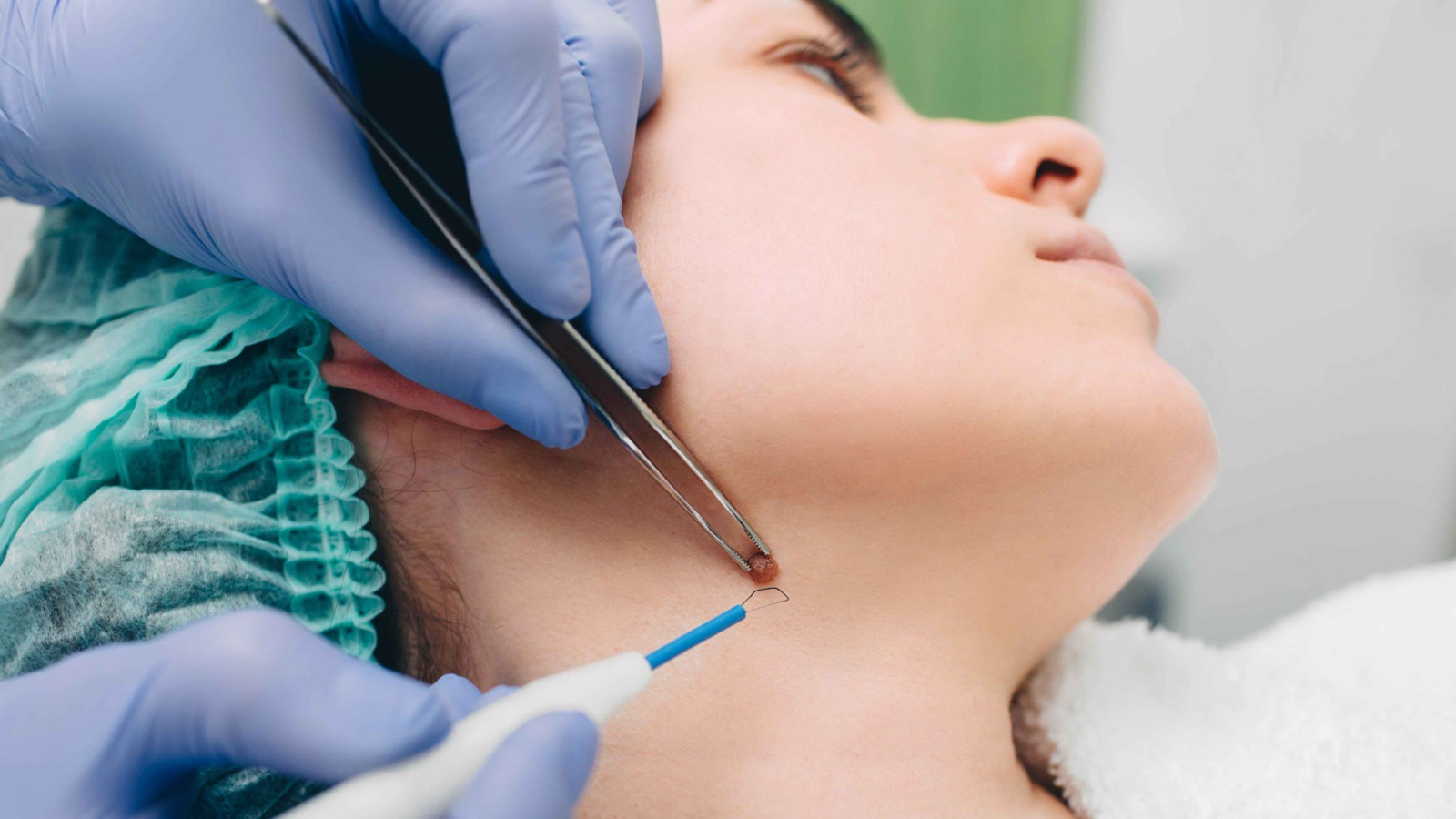
Cautery treatment is a medical process whereby tissue is sliced or controlled scarring is created using heat produced by an electrical current. The operation can be carried out either as a stand-alone treatment for different diseases or during surgery.  Originally used centuries ago but now updated with current technology, cautery has become a crucial instrument in medical practice for its accuracy and potency.

Types of Cautery Treatment

Monopolar Cautery

Monopolar cautery transmits electricity through the body to a grounding pad from one electrode. Larger treatment areas are covered by this method, which is usually used for more involved operations requiring more general tissue manipulation.

Bipolar Cautery

  • Using a two-pronged forceps-like tool, 
  • Between the two tips, the current runs.
  • treats with less tissue damage more precisely.

Medical Applications of Cautery

Skin Conditions

For many skin disorders, including removal of skin tags, treatment of warts, elimination of minor benign growths, and control of actinic keratosis, caustery is quite successful. Modern cautery tools’ precision makes focused therapy possible with the least effect on adjacent healthy tissue.

Eye Treatments

  • Managing dry eyes with punctal stenosis
  • Treatment of trichiasis—inward-growing lashes—
  • an extra row of eyelashes, or distichiasis

Other Medical Uses

  • Control of bleeding in tiny vessels
  • Dealing with persistent nosebleeds
  • Elimination of aberrant tissue
Cautery Procedure

Cautery Procedure: What to Expect

Pre-Procedure Preparation

  • Initial review and consultation
  • Area cleaning and marking
  • Local Anesthetic Application

During the Procedure

The operation itself consists of applying a suitable anesthetic and positioning a grounding pad for monopolar cautery. The professional will precisely apply the cautery tool to the desired location using control of heat level and duration. Most patients claim no pain, and the real cauterizing usually takes just a few minutes.

Immediate Post-Procedure

  • Wound cleansing
  • Use of antibiotic ointment, should it be needed
  • bandaging, as suitable

Benefits of Cautery Treatment

Many diseases find Cautery treatment a preferable choice because of its several benefits. Usually finished in minutes instead of hours, this minimally invasive surgery has a short treatment duration. The method offers good hemostasis (bleeding control) and allows exact targeting of impacted tissue.  For most diseases, many patients like the quick results that are evident; also, the fact that the desired conclusion usually requires just one therapy session is appreciated.

Risks and Side Effects

  • Temporary discomfort or suffering
  • The possibility of infection should aftercare guidelines are not followed
  • Usually transient, skin discoloration
  • Scarring, usually mild in most cases
  • Possible regeneration, especially about warts or moles

Recovery and Aftercare

Immediate Care

The treated area must be kept dry and clean after cautionary treatment. Patients should prevent the treated region from sun exposure, which could lead to pigment problems during healing, and apply any recommended ointments exactly as directed by their healthcare professional.

Expected Healing Timeline

  • Initially healing: one to two weeks
  • Three to four weeks constitute complete healing.
  • Changes in skin color resolve: Several months

When to Seek Medical Attention

Look closely for symptoms of infection, including discharge, swelling, or more pain. If you have particularly sluggish healing or see unexpected scarring or too much bleeding, get in touch right away. Early attention to these issues guarantees the best results and helps to avert problems.

Conclusion:

With less downtime and consequences, cautionary therapy provides a good answer for many skin and tissue disorders. For professional and experienced Cautery Procedures in Lahore, consult with certified specialists who can provide personalized treatment plans. Perfect outcomes depend on proper aftercare, which includes utilizing suitable skincare products to help heal and preserve skin condition following treatment.

FAQ’s:

Does therapy using cautions hurt?

Usually under local anesthetic, cauterization is carried out, hence, the operation is almost painless; nonetheless, mild discomfort may be experienced later when the numbness wears off.

A cautery treatment takes how long of time?

Depending on the ailment being treated and the extent of the treatment region, most cauterizing operations take ten to thirty minutes.

Does cautery treatment cause scarring?

Although modern cautery methods are meant to cause as little scarring as possible, depending on the treatment region and individual healing properties, minimal scarring is inevitable.

I need how many cautions?

Though some difficult problems, such as some warts or recurrent growths, most diseases require only one cautery session.

After cautery, when may I begin regular activities?

While most patients can resume regular activities right away, you should avoid swimming and vigorous exercise for at least 24 to 48 hours following surgery.
Mole Removal

Mole Removal Treatments: Methods, Costs, Risks & What to Expect

What Are Moles?

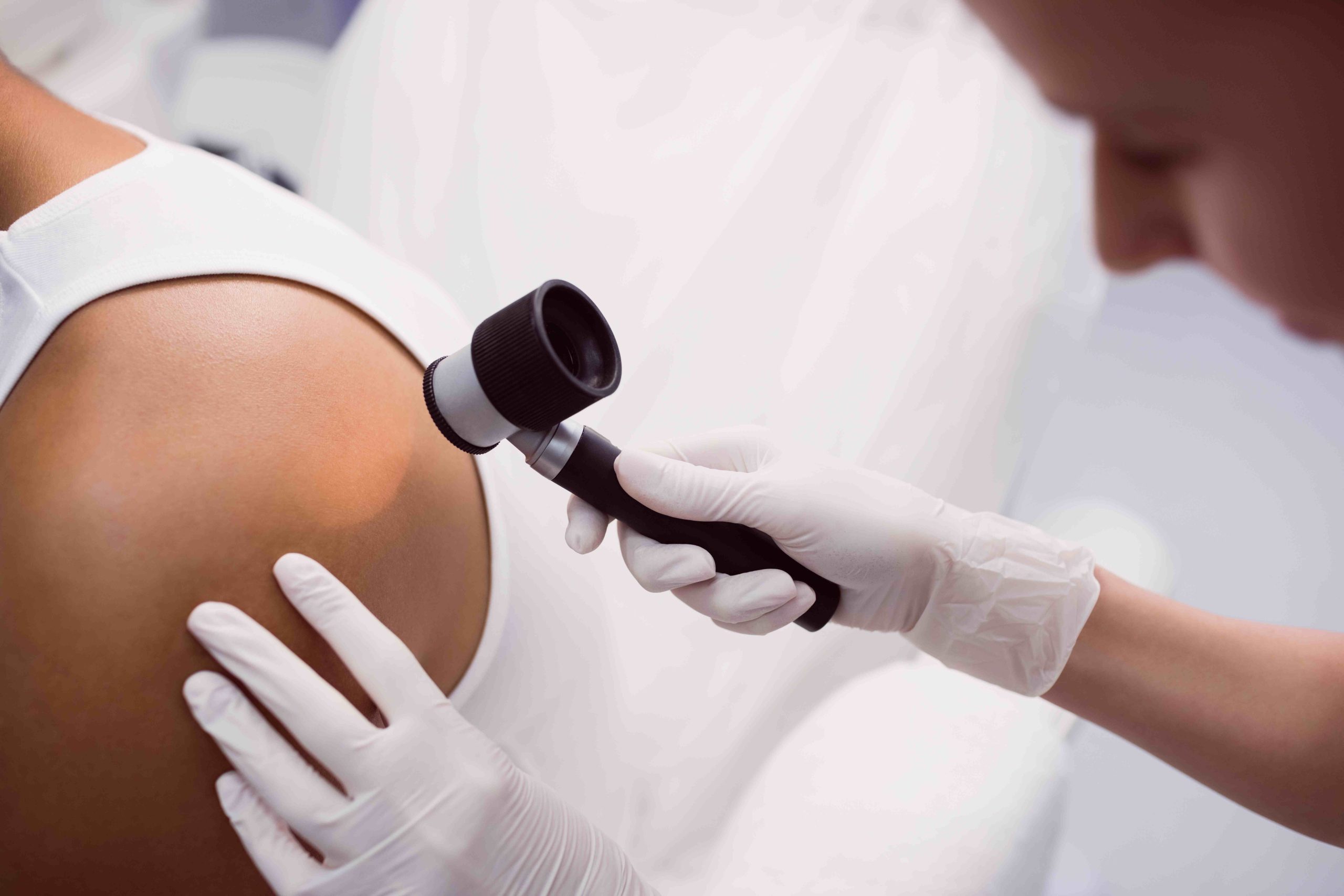
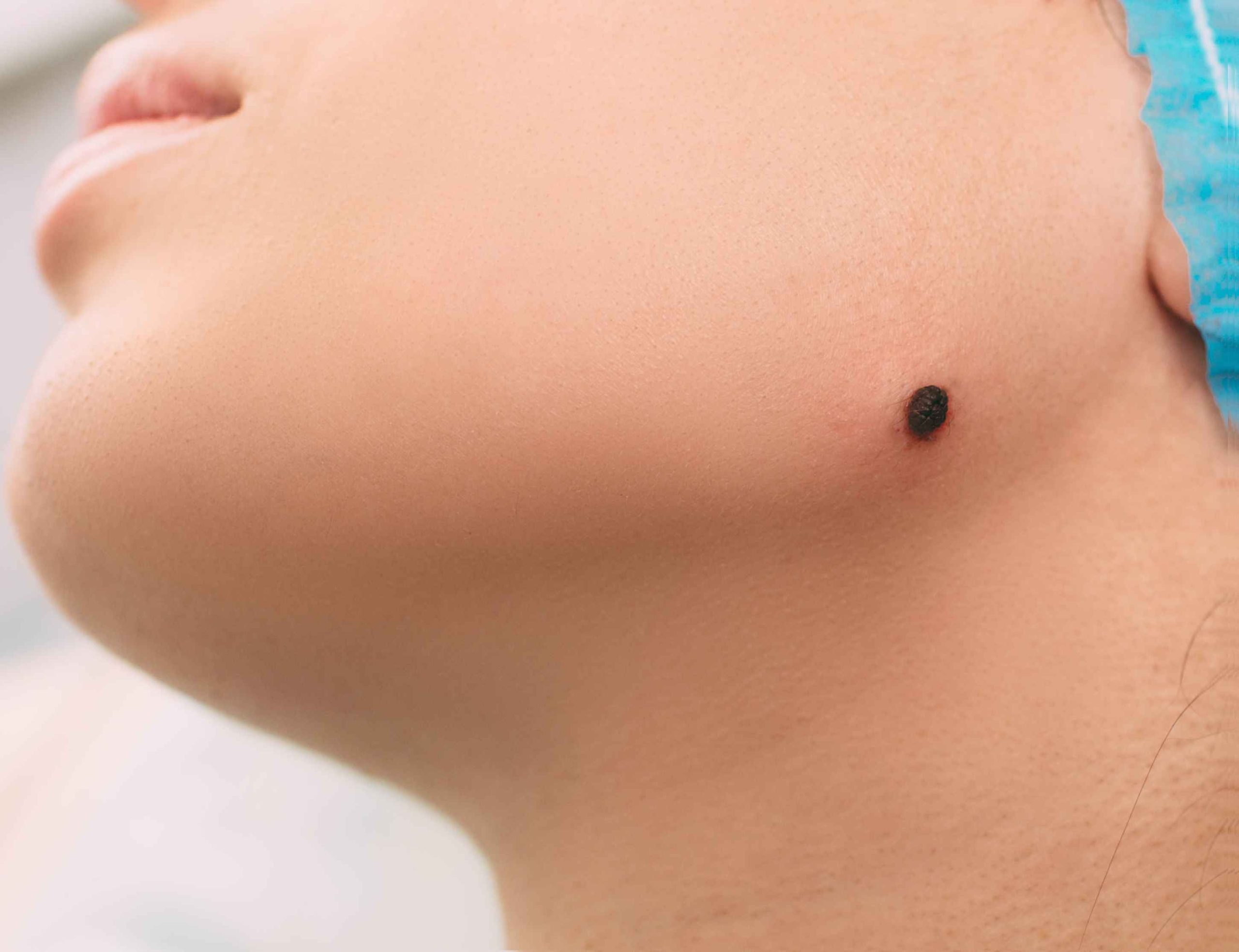
Moles (nevi) are clusters of pigmented cells showing up as tiny, dark patches on the skin. Although most moles are benign, some might have to be removed for cosmetic or medical purposes.

When to Consider Mole Removal

Medical Reasons

  • Asymmetrical form. One half isn’t like the other.
  • uneven border and Edges seem jagged or hazy.
  • Color variances – Many tones inside one mole
  • Expansion in diameter Greater than a pencil eraser’s 6mm mark.
  • Evolution: Variations in color, form, or scale

Cosmetic Reasons

  • Moles in obvious places are making oneself conscious.
  • Moles grabbing on jewellery or clothes
  • Affecting appearance, facial moles

Mole Removal Methods

Surgical Excision

The total elimination of a mole, together with a little margin of surrounding skin. With this approach:

  • offers a whole tissue sample suitable for cancer screening.
  • For worrisome or maybe malignant moles, it is perfect.
  • calls for stitches and could leave a faint scar.
  • Heals completely in two to three weeks.

Shave Excision

A surgical blade is used to shave the mole either at or slightly below skin level. By this approach:

  • Best for elevated, non-suspicious moles
  • Not a call for stitches.
  • has a 1-2 week faster healing time.
  • Maybe leave a little, level of scar.

Costs of Mole Removal

Medical Removal

  • Usually covered by insurance, depending on medical need.
  • Generally calls for a referral to a dermatologist.
  • May call for deductibles or co-pays based on the insurance plan.

Cosmetic Removal

  • Usually not insured by any policy
  • Depending on size and location, costs run from PKR 5,000–25,000 per mole.
  • It might call for a consultation fee apart from the operation expense.

Mole Removal

Risks and Complications

Potential Risks

  • Scarring: Location and skin type affect appearance.
  • Infection (albeit rare in appropriate follow-up)
  • Incomplete removal (mole can grow again).
  • Nerve injury (rare; may produce tingling or numbness)

Recovery and Aftercare

Proper Wound Care

  • Maintaining the area clean and covered for 24 to 48 hours
  • Apply the advised ointment to stop the infection.
  • Steer clear of the sun in the area under treatment.
  • Look for indications of an infection (redness, warmth, pain).

Healing Timeline

  • Initial healing falls between seven and fourteen days.
  • Whole scar maturation: Up to twelve months

Recommended Skincare Products After Mole Removal

Essential Post-Procedure Skincare

  • Gentle Cleanser Use pH-balanced, fragrance-free formulations to clean the region without aggravating discomfort
  • Healing Serum: Search for components to help skin restoration, including peptides and niacinamide.
  • Moisturizer with hypoallergens.Keep recovering skin hydrated with non-comedogenic, scent-free choices.
  • Mineral Sunscreen (SPF 30+) helps to prevent hyperpigmentation by shielding the healing zone from sun exposure.

When to Resume Regular Skincare

At least two weeks before using regular skin care products, close to the treated area. Start with mild formulas and progressively introduce items. Steer clear of exfoliants, retinoids, and active components until fully healed.

When to Seek Professional Help

See a dermatologist right away if you observe:

  • Typical mole variations
  • Signs of an infection following removal
  • Unexpected scars or issues with healing
  • Regrowth of eliminated moles

Conclusion:

When carried out by medical experts, mole removal is a safe and efficient operation. Appropriate therapy depends on professional assessment, whether for cosmetic or health issues.

Looking for a dermatologist near me? Our professional dermatological care and mole removal in Lahore. Our experts offer thorough skin examinations and cutting-edge treatment choices.

FAQ’s:

Is eliminating moles unpleasant?

No, the operation is carried out under local anesthetic, hence there is less discomfort during removal. One to two days later, you can feel just a little uncomfortable.

Will removing a mole leave a scar?

Most mole removals leave a little scar that gradually disappears. Location, removal technique, and the healing characteristics of your skin will all affect visibility.

The operation lasts how long?

Usually including preparation and bandaging, typical mole removal takes 15 to 30 minutes per mole.

Are excised moles able to grow back?

Though rare, moles can sometimes resurface if cells linger under the skin following removal, especially using shaving excision techniques.

Should my mole be removed? How can I find out?

If worried, follow the ABCDE rule—asymmetry, border irregularity, colour changes, diameter growth, evolution—then see a dermatologist.

Skincare with salicylic acid

Skincare with Salicylic Acid: Fight Acne, Shrink Pores, and Glow

Good skin calls for regular maintenance as well as the correct components. Good skincare with salicylic acid preserves the skin’s natural barrier, lessens inflammation, and helps to avoid acne. One ingredient—salicylic acid—stands above the others for people suffering from acne, enlarged pores, or a dull complexion.

What is Salicylic Acid?

A beta-hydroxy acid (BHA), salicylic acid, comes from willow tree bark. Deep inside pores, this oil-soluble component dissolves extra sebum and dead skin cells, aggravating acne. Exfoliating to expose softer, cleaner skin, its anti-inflammatory qualities soothe inflammation.

How Salicylic Acid Transforms Your Skin

Fight Acne at the Source

Targeting oil-filled follicles, breaking the connections between dead skin cells, and killing bacteria, salicylic acid treats acne. Regular use lowers current inflammation in 7–14 days and helps to avoid fresh outbreaks.

Shrinks Enlarged Pores

Salicylic acid lessens the look of congestion and extra oil from pores by cleaning them. The exfoliating action minimizes the visibility of accumulation around pore openings, so it smoothes the face.

Exfoliates for Brighter Skin

Salicylic acid offers moderate but powerful chemical exfoliation, unlike physical scrubs. It promotes cell turnover by removing the outermost layer of dead skin cells, therefore revealing fresher, more brilliant skin.

Reduces Oil Production

Salicylic acid helps control sebum output in the form of oily skin. Maintaining clean pores tells oil glands to create less sebum, thereby preventing the greasy look and lowering of acne triggers.

Enhances Product Absorption

Salicylic acid helps other skincare products penetrate the surface barriers of dead skin and grease. This optimizes the results of your whole skincare with salicylic acid.

Salicylic Acid Products for Your Routine

Cleansers with Salicylic Acid

Start your regimen with a salicylic acid cleanser to clear surface dirt. Daily usage removes more oil and keeps pores clear, therefore preventing breakouts. For optimal effects, use morning and evening.

Face Washes for Deep Cleansing

Face wipes with salicylic acid face wash reach deeper than ordinary cleaners. Treating ongoing acne without overdrying is best done at the 2% concentration. Use once daily, concentrating on areas of trouble.

Shampoos for Scalp Health

Scalp Health Salicylic acid shampoos cure seborrheic dermatitis, dandruff, and scalp acne. The exfoliating qualities cut irritation and eliminate buildup. Use two to three times weekly for the best scalp condition.

Serums

More intense formulations are aimed against certain problems, like stubborn blackheads or ongoing acne.

Who Should Use Salicylic Acid?

Salicylic acid suits oily and mixed skin types most of all.
  • People who have acne
  • People with blackheads and closed pores
  • People looking for more even, brilliant skin tone
Start with lower doses (0.5–1%) and progressively raise frequency as tolerance develops for sensitive or very dry skin.

Professional Skincare Treatments

Professional treatments provide higher salicylic acid concentrations under expert supervision for ongoing skin problems. Searching for a dermatologist near me can lead you to specialist skincare clinics where dermatologists offer advanced care and personalized treatment plans.
  • 10–30% concentration of salicylic acid peels
  • Tailored treatment schedules
  • Combining treatments for acne that is not responding
Cleo.pk for tailored skincare solutions from accredited specialists for professional skincare advice and treatments available in Pakistan. skincare with salicylic acid

How to Include Salicylic Acid in Your Routine

  1. Start with a once-daily application.
  2. Apply before moisturizing and following cleaning.
  3. Always wear sunscreen during the day; salicylic acid enhances sun sensitivity.
  4. If unfamiliar with the substance, start with a 0.5–1% concentration.
  5. Increase to 2% following skin adaptation for the treatment of acne

Conclusion:

Salicylic acid is a strong tool for turning congested, acne-prone skin into a cleaner, smoother complexion. Including salicylic acid items in your regimen lets you approach skin health scientifically. For professional-grade products and tailored skin care recommendations in Pakistan.Starting your road toward better, radiant skin.

FAQ’s:

On what frequency should I use salicylic acid?

Daily use of cleansers is appropriate for most skin types; treatments should be limited to two to three times weekly to avoid aggravation.

Would salicylic acid dry my skin?

When used sensibly, it targets just extra oil; always follow with moisturizer to preserve the hydration balance of skin.

Can I mix salicylic acid with another active ingredient?

Yes, but couple it with moisturizing substances like hyaluronic acid and niacinamide; avoid using it with other exfoliants concurrently.

How long till salicylic acid starts showing results?

Most people see improvement within 1 to 2 weeks of regular use; significant changes show after 4 to 6 weeks.

Is pregnant salicylic acid safe?

See your doctor before using BHAs since, given their possible systemic absorption, they are usually not advised during pregnancy.
female-at-cosmetic-beauty-spa-clinic-has-facial-ha-2024-10-18-17-49-09-utc (1)

The Ultimate Guide to Hydrafacial: Benefits, Procedure, and Pricing

When it comes to achieving radiant, rejuvenated skin, Hydrafacial has emerged as one of the most effective and popular treatments available today. This revolutionary skincare procedure offers immediate results with no downtime, making it a favorite among skincare enthusiasts and professionals alike.

What is a Hydrafacial?

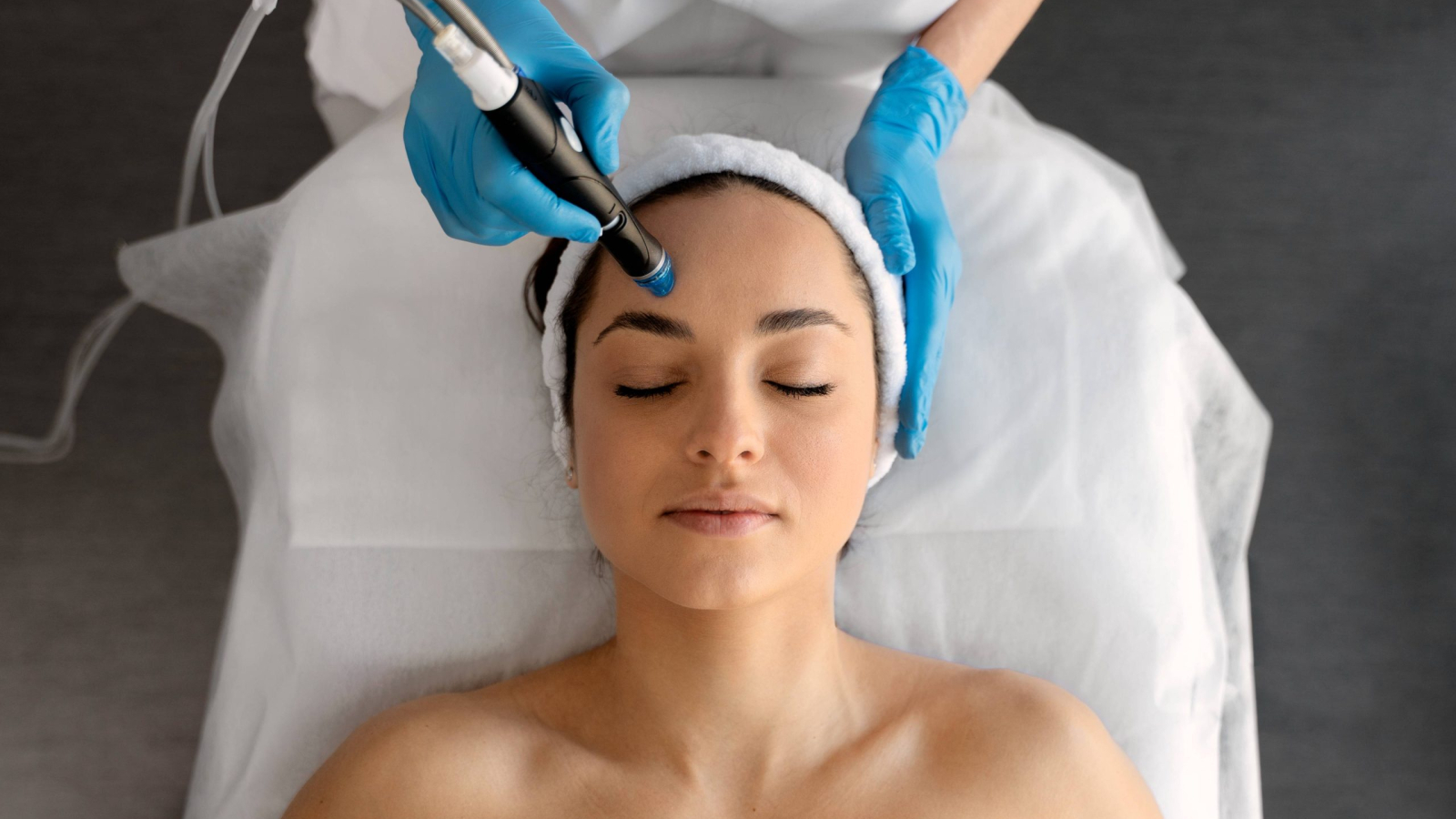
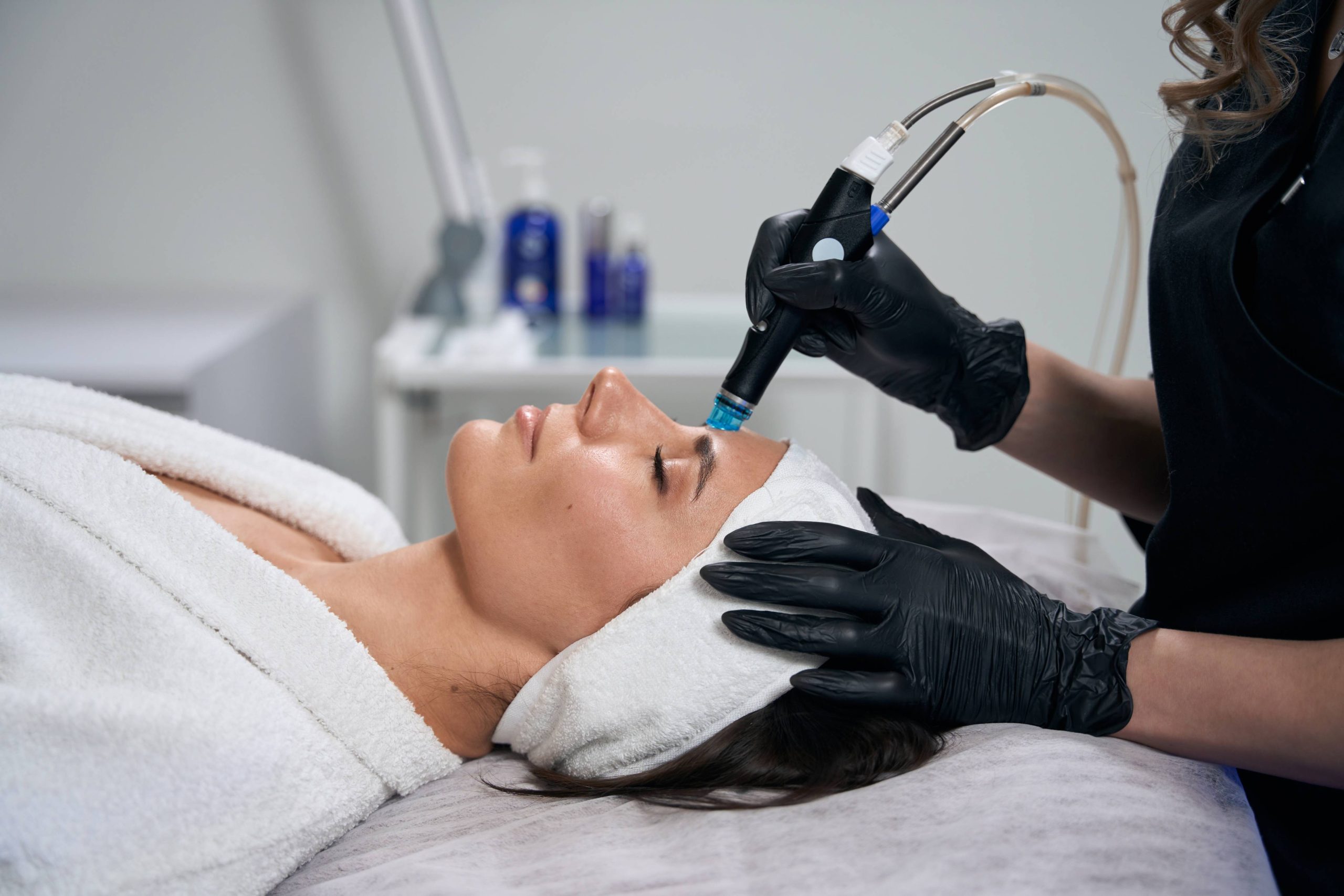
Hydra facial is an advanced, non-invasive skin treatment that combines cleansing, exfoliation, extraction, hydration, and antioxidant protection. Unlike traditional facials, the Hydra facial uses patented Vortex-Fusion technology to deliver serums deep into the skin, providing instant and long-lasting results. The multi-step treatment cleanses, exfoliates, and extracts impurities while simultaneously delivering moisturizing serums into the skin. What sets it apart from other facial treatments is its ability to address multiple skin concerns in one session, including fine lines, wrinkles, enlarged pores, congestion, and uneven skin tone. At a premium skin care clinic offering the best Hydrafacial in Lahore, trained aestheticians use medical-grade equipment to customize the treatment according to your specific skin concerns and needs.

The Hydrafacial Procedure: What to Expect

Understanding the procedure is essential for anyone considering this treatment. The Hydrafacial Lahore specialists typically follow these steps during your session:

Step 1: Cleansing and Exfoliation

The treatment begins with a deep cleansing and gentle exfoliation using a special spiral tip that removes dead skin cells and sebum from the surface of your skin. This reveals a fresh, new layer of skin beneath.

Step 2: Acid Peel

Next, a gentle acid peel is applied. Unlike traditional chemical peels that can cause redness and irritation, the Hydrafacial peel is gentle enough for all skin types while still being effective.

Step 3: Extraction

The third step involves painless extraction. Using the unique vacuum-powered vortex-extraction nozzle, the system removes blackheads, dirt, oil, and impurities from your pores without the discomfort associated with manual extractions.

Step 4: Hydration

After extraction, the skin is infused with intensive moisturizers that quench and protect. This step helps to replenish the skin with antioxidants, peptides, and hyaluronic acid.

Step 5: Protection

Finally, the skin is protected with serums containing essential nutrients to maintain and protect the results. These serums target specific skin concerns such as fine lines, hyperpigmentation, or dullness. The entire treatment typically takes about 30-45 minutes, making it perfect for busy individuals. There’s no downtime, so you can immediately return to your daily activities with glowing skin.

Hydrafacial Benefits: Why It’s Worth It

The hydra facial benefits are numerous, making it one of the most sought-after skincare treatments worldwide. Here are some key advantages:
  • Immediate Results: Unlike many other skincare treatments that require multiple sessions before visible improvements, Hydrafacial provides immediate results. After just one session, you’ll notice that your skin looks clearer, more radiant, and refreshed.
  • Suitable for All Skin Types: Whether you have sensitive, oily, dry, or combination skin, Hydrafacial can be customized to address your specific concerns. It’s gentle enough for sensitive skin yet effective for treating various skin conditions.
  • No Downtime: One of the biggest Hydra facial benefits is that there’s no downtime. You can apply makeup immediately after the treatment and resume your normal activities.
  • Consistent Results: The Hydrafacial delivers consistent results because it’s not technician-dependent. The technology ensures that you receive the same quality treatment each time.
  • Addresses Multiple Skin Concerns: In just one session, the treatment can improve the appearance of fine lines, wrinkles, enlarged pores, congested skin, and uneven skin tone.
  • Non-Invasive: The procedure is completely non-invasive, which means no needles, no pain, and no recovery time.
Many patients who search for Hydra facial near me are impressed by how the treatment can provide such significant improvements without any discomfort or recovery time.

Finding Quality Hydrafacial Services Near You

When searching for a Hydra facial near me, it’s important to consider several factors to ensure you receive a high-quality treatment.

Choosing a Reputable Clinic

Look for clinics with experienced aestheticians who are certified in Hydra facial treatments. Check reviews and before-and-after photos to get an idea of the results you can expect.

Hydrafacial in Lahore

For those in Lahore, several clinics are offering Hydrafacial Lahore services. The best Hydrafacial providers in Lahore typically have modern facilities, use genuine Hydrafacial equipment, and employ trained specialists who can customize the treatment to your specific needs.

What to Ask Before Booking

Before scheduling your appointment, ask about:
  • The experience and certification of the aesthetician
  • Whether they use genuine Hydra facial equipment
  • What specific serums do they offer for different skin concerns
  • If they provide a skin analysis before treatment
  • What add-on treatments do they recommend for your skin type

Understanding the Hydrafacial Price in Pakistan

The Hydrafacial price in Pakistan varies depending on several factors, including the clinic’s location, the expertise of the aesthetician, and any additional treatments or serums included.

Average Cost

On average, a standard Hydrafacial treatment in Pakistan ranges from PKR 8,000 to PKR 15,000 per session. Premium clinics offering the best Hydrafacial in Lahore may charge between PKR 12,000 to PKR 20,000, especially if they include specialized serums or additional steps.

Factors Affecting Price

Several factors can influence the Hydrafacial price in Pakistan:
  • Location: Clinics in upscale areas or major cities typically charge more than those in smaller towns.
  • Additional Serums: Specialized serums targeting specific concerns like hyperpigmentation or anti-aging can increase the cost.
  • Combined Treatments: Some clinics offer Hydrafacial combined with other treatments like LED light therapy or lymphatic drainage, which can affect the overall price.
  • Clinic Reputation: Well-established clinics with highly trained staff often charge premium rates.

Is It Worth the Investment?

While the hydrafacial price in Pakistan may seem higher than traditional facials, the results justify the cost for many patients. The immediate improvement in skin appearance, combined with the lack of downtime and the treatment’s ability to address multiple concerns simultaneously, makes it a cost-effective option for those serious about their skincare.

How Often Should You Get a Hydrafacial?

For optimal results, most skincare professionals recommend getting a hydrafacial treatment once a month. This frequency allows your skin to complete its natural renewal cycle between treatments. However, the recommended frequency can vary based on:
  • Your Skin Concerns: If you’re addressing specific issues like acne or hyperpigmentation, you might benefit from more frequent treatments initially.
  • Skin Type: Oily or congestion-prone skin may require more frequent sessions than dry or sensitive skin.
  • Budget Considerations: If regular monthly treatments aren’t feasible financially, even quarterly Hydrafacials can still provide significant benefits.

Comparing Hydrafacial to Other Facial Treatments

While searching for a Hydra facial near me, you might wonder how this treatment compares to other popular facial options:

Hydrafacial vs. Traditional Facials

Unlike traditional facials that rely heavily on the aesthetician’s technique, Hydrafacial uses patented technology to ensure consistent results. Traditional facials often cause redness or irritation, while Hydrafacial leaves the skin instantly glowing without adverse effects.

Hydrafacial vs. Microdermabrasion

Microdermabrasion only focuses on exfoliation, whereas Hydrafacial provides multiple benefits in one treatment. Hydrafacial is also gentler on the skin while delivering more noticeable results.

Hydrafacial vs. Chemical Peels

Chemical peels can cause significant downtime and peeling, making them unsuitable for many skin types. Hydra facial treatments are gentle enough for all skin types with no downtime, yet still deliver impressive results.

Who Should Consider Getting a Hydrafacial?

The versatility of the Hydra Facial makes it suitable for most people, but it’s particularly beneficial for those with:
  • Congested Skin: If you struggle with blackheads and clogged pores, the extraction step can provide significant improvement.
  • Dull Complexion: The exfoliation and hydration components help restore radiance to tired-looking skin.
  • Fine Lines and Early Signs of Aging: The infusion of antioxidants and hydrating serums can improve the appearance of fine lines.
  • Uneven Skin Tone: Regular treatments can help address hyperpigmentation and create a more balanced complexion.
  • Oily and Acne-Prone Skin: The deep cleansing and extraction can help control excess oil and prevent breakouts.

Preparing for Your Hydrafacial Appointment

To maximize the hydra facial benefits, follow these preparation tips:
  • Avoid sun exposure and tanning beds for at least 48 hours before your appointment
  • Discontinue use of retinoids, exfoliants, or other potentially irritating skincare products 2-3 days before treatment
  • Arrive with clean skin, free of makeup if possible
  • Let your aesthetician know about any skin conditions, allergies, or medications you’re taking
  • If you’ve had any recent cosmetic procedures or injections, inform your provider

Post-Treatment Care

After receiving a hydra fical treatment:
  • Avoid strenuous exercise for 24 hours
  • Apply sunscreen diligently (minimum SPF 30)
  • Avoid exfoliating products for 2-3 days
  • Keep skin hydrated by drinking plenty of water
  • Follow any specific instructions provided by your aesthetician

Conclusion:

Hydrafacial has revolutionized the facial treatment industry by offering immediate, visible results without downtime or discomfort. Whether you’re searching for the best Hydrafacial in Lahore or simply exploring hydra facial benefits for your skin concerns, this innovative treatment offers something for everyone. When researching the Hydrafacial price in Pakistan or looking for a hydra facial near me, remember that investing in quality treatments from reputable providers will yield the best results for your skin health and appearance.  Whether you choose a provider offering Hydrafacial Lahore services or elsewhere, make sure they’re using genuine equipment and have the expertise to customize the treatment to your specific needs.

FAQ’s:

1. How much does a Hydrafacial cost in Pakistan? 

Hydrafacial treatments in Pakistan typically range from PKR 8,000 to PKR 20,000, depending on the clinic location and additional serums used.

2. How often should I get a Hydrafacial treatment? 

For optimal results, most professionals recommend getting a Hydrafacial once a month to align with your skin’s natural renewal cycle.

3. Is there any downtime after a Hydrafacial? 

No, there’s zero downtime with Hydrafacial—you can immediately apply makeup and resume normal activities with a fresh, glowing complexion.

4. What skin concerns can Hydrafacial address? 

Hydrafacial effectively treats multiple concerns, including fine lines, enlarged pores, oily skin, congestion, uneven tone, and dullness in just one session.

5. Is Hydrafacial suitable for sensitive skin? 

Yes, Hydrafacial is gentle enough for sensitive skin and can be customized with appropriate serums for your specific skin concerns.