
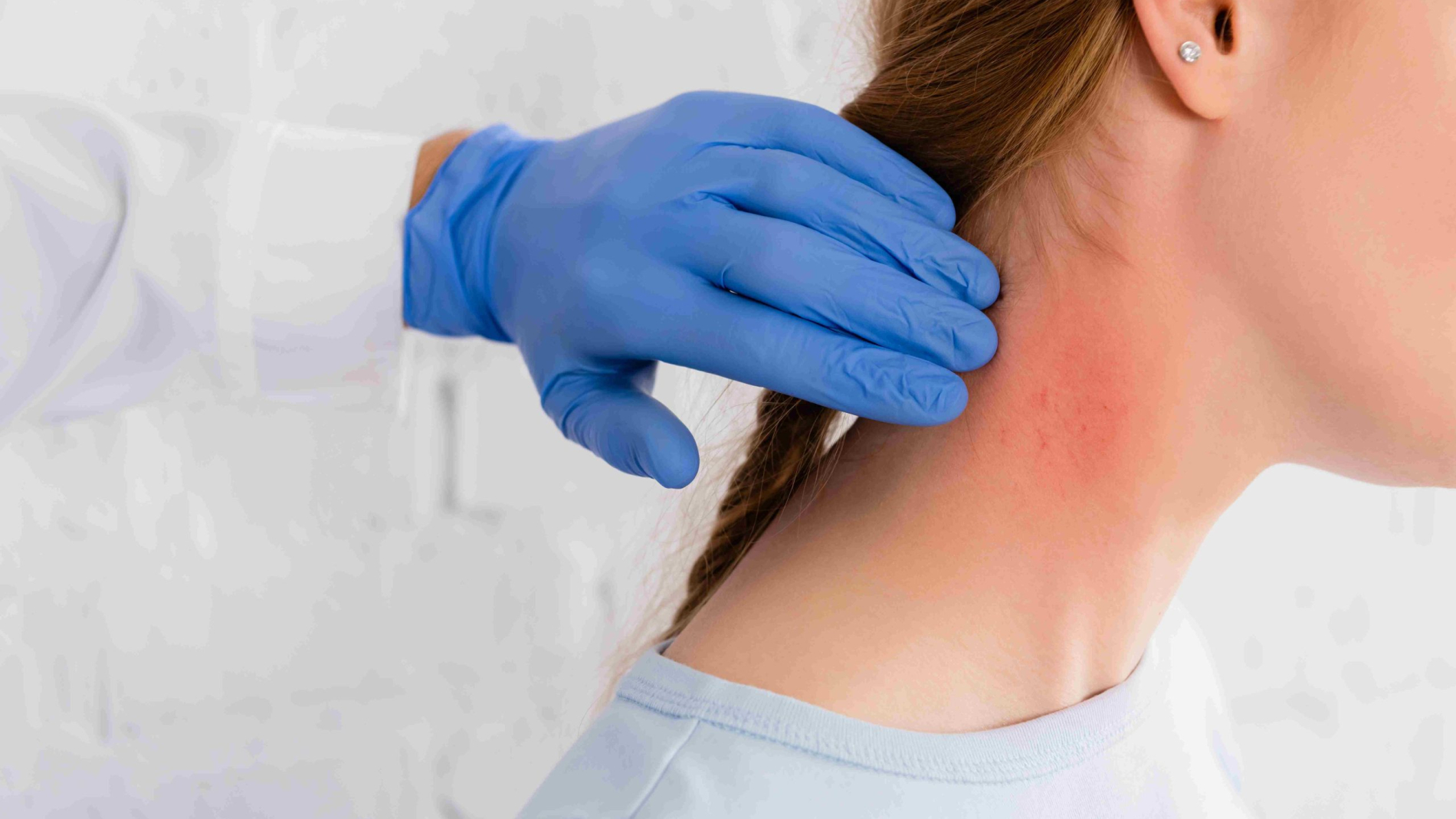
The unrelenting itch of eczema can seriously affect quality of life by interfering with daily activities, attention, and sleep. Often regarded as the most incapacitating symptom of this chronic skin ailment, this extreme itching, called pruritus, is medically known as.
Although scratching could offer temporary relief, it eventually aggravates inflammation and causes the infamous “itch-scratch cycle” that can damage skin and slow down recovery. This thorough guide investigates evidence-based techniques combining established natural remedies with medical interventions to control eczema itching.
Understanding the Eczema Itch Mechanism
Eczema itching is not only a physical feeling. It comes from complicated inflammatory and neurological processes:
The inflammatory cascade
When eczema develops, the immune system releases inflammatory molecules like histamines, cytokines, and neuropeptides that activate specialised skin nerve fibres known as C-fibers. These nerve fibres send signals of itching to the brain, therefore inspiring the need to scratch.
Skin Barrier Compromised
In eczema, the compromised skin barrier lets irritants get through more readily, increasing sensitivity and aggravating the itching feeling. Additionally, resulting from this barrier malfunction is moisture loss, which causes dry skin that aggravates itching.
Psychological Aspects
Those with eczema generally have increased neural sensitivity; studies of their central nervous system reveal various ways in which they receive itch signals. This neurological element helps to explain why symptoms can be triggered or exacerbated by stress, worry, and even itching-related thoughts.
Medical Treatments for Eczema Aching
These clinically validated treatments aim at the fundamental reasons for eczema itching:
Topical Corticosteroids:
These anti-inflammatory drugs lower skin immune system activity.
- Found in several potencies ranging from moderate (hydrocortisone) to super-potent formulations.
- most successful when applied to moist skin following a bath
- Should be taken in line with recommended schedules to prevent negative effects, including skin thinning.
- Often used in concert with moisturisers in a “soak and seal” strategy
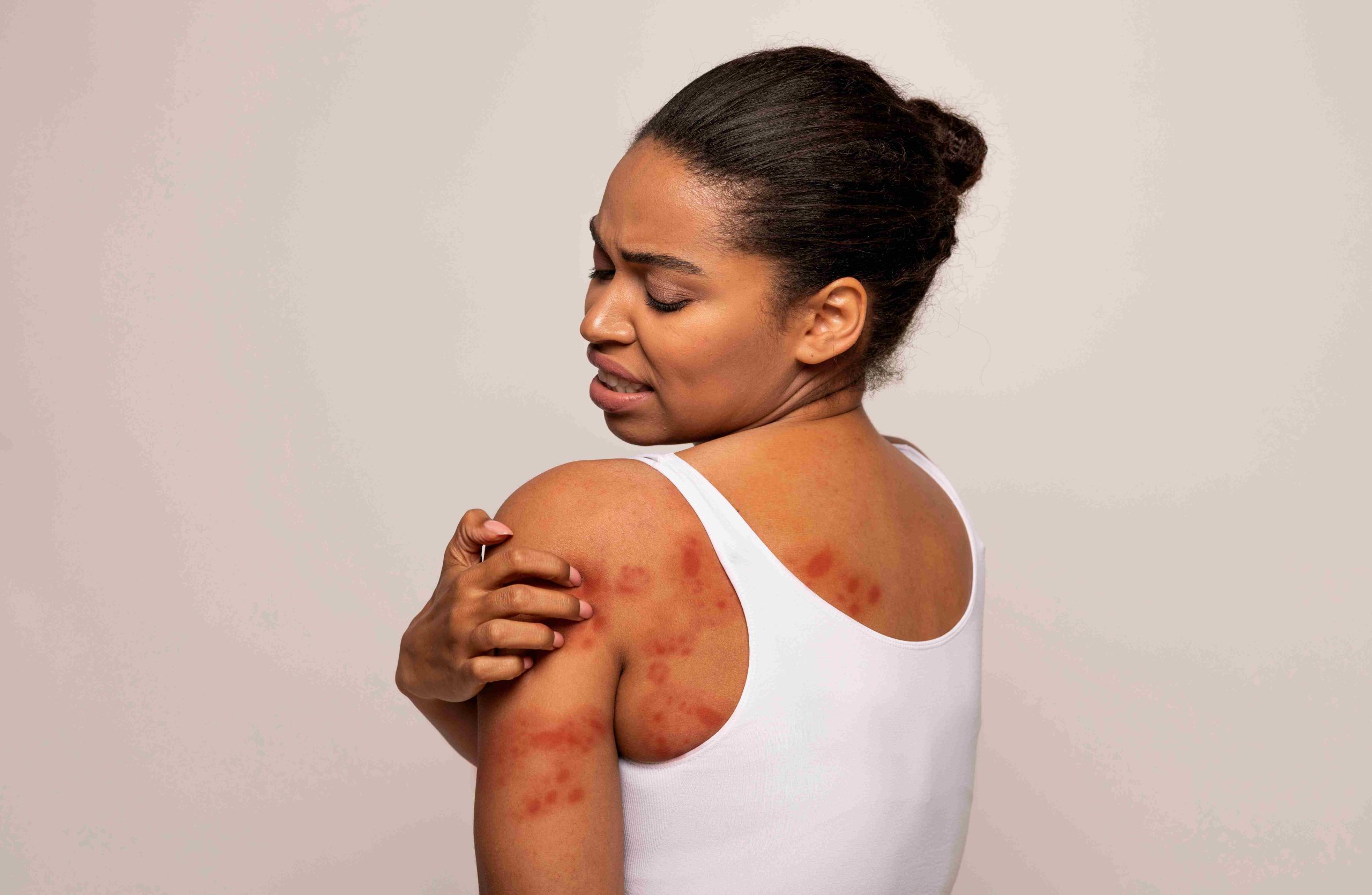
Calcineurin Inhibitors: Topical
Non-steroidal prescription drugs altering immune response:
Protopic, Tacrolimus; Elidel, pimecrolimus, lowers inflammation without shrinking skin, especially helpful in delicate regions such as the neck, face, and skin folds.
May, upon application, cause stinging or brief burning.
PDE4 Suppressors
- A more recent prescription choice that blocks phosphodiesterase 4, an enzyme linked to inflammation, is Crisaborole (Eucrisa).
- Applied anywhere on the body impacted by eczema
- fitting for patients as early as three months old
Antihistsamines
Although several antihistamines may aid, less effective for direct itch alleviation than previously believed.
- Mostly addressing sleep disturbance from nighttime itching, sedating antihistamines such as diphenhydramine (Benadryl) help.
- Although they may help with allergic triggers, non-sedating antihistamines have little effect against eczema itch.
- should be used as advised, especially with young children.
Biologic Medicines
For severe, treatment-resistant eczema:
- Dupilumab (Dupixent) aims at particular inflammatory processes linked to eczema.
- Given every two weeks by injection,
- greatly lessens itching in many patients with mild to severe atopic dermatitis
Natural Methods Based on Evidence
Scientific evidence supports these natural treatments in helping with eczema itching:
Coloidal Muesli
This finely milled oatmeal makes skin protection and anti-inflammatory effects clear-cut.
- Includes avenanthramides, substances having proven anti-itch action.
- Available as pure powder for bathing or in commercial bath products.
- Clinical trials reveal notably less itching than in a placebo.
Applied for spot therapy as a paste straight on irritated skin
Therapist Cold
Reducing the skin’s temperature stops the signs of itching:
- Applied for five to ten minutes, cold compresses lower nerve activity and narrow blood vessels.
- Temporary comfort can come from cool showers or baths (not cold).
- Refrigerated moisteners provide barrier protection as well as a cooling effect.
- Longer-lasting relief comes from specialised anti-itch gel packs and cooling wraps.
Therapist Wet Wraps
This focused moisture treatment greatly lessens itching:
- Apply moisturiser and/or topical medicine to damp skin.
- Wrap impacted areas with gauze or a moist cloth.
- Cover with a dry layer—that of clothing or an extra wrap.
- Leave overnight or on a six-hour schedule.
- Especially successful for severe flares and strong itching
Apple Vinegar for Cider
Its antibacterial and pH-balancing qualities could bring relief.
- must be appropriately diluted—one cup per full bathtub or one tablespoon per cup of water for compresses.
- Not suggested for broken skin or open wounds
- Stop if burning or irritation results.
- It can help lower bacterial colonisation that fuels the itching.
Important Supplements for Essential Fatty Acids
Internal supplements could help to enhance skin barrier performance:
- Gamma-linolenic acid (GLA) present in evening primrose oil
- Fish oil supplies omega-3 fatty acids that help to control inflammation.
- Consistency is essential; benefits call for consistent use over weeks to months.
- Quality and dosage; see doctors for direction.
Lifestyle and Environmental Changes
These tweaks control and avoid triggers for itching:
Fabric Choices
Choice of clothing greatly affects comfort with eczema:
- TENCELTM, bamboo, and 100% cotton fabrics ease irritation.
- Steer clear of synthetic mixes, polyesters, and wool that trap heat and aggravate skin.
- Eliminate garment tags and reduce your contact with rough seams.
- New clothes should be washed before you wear them to eliminate manufacturing chemicals.
- Choose sensitive skin-friendly, fragrance-free, dye-free laundry detergents.
Humidity and Temperature Control
Environmental factors strongly influence itch sensation:
- Maintain indoor humidity between 45-55% with humidifiers in dry seasons
- Keep room temperatures cool (68-72°F/20-22°C) to prevent overheating
- Use cotton bedding and avoid down/feather pillows that retain heat
- Consider air purifiers to reduce airborne allergens that trigger flares
Bathing Practices
Proper bathing techniques preserve skin barrier function:
- Use lukewarm (not hot) water for 5-10 minutes maximum
- Clean with gentle, fragrance-free cleansers specifically formulated for sensitive skin
- Pat skin partially dry, leaving it slightly damp for moisturizer application
- Apply prescribed medications, followed by moisturizer, within 3 minutes after bathing
- Limit bathing frequency during severe flares
Stress Management Techniques
Psychological interventions reduce neurogenic itch:
- Progressive muscle relaxation reduces stress-induced flares
- Mindfulness meditation decreases itch intensity in clinical studies
- Cognitive behavioral therapy helps break the itch-scratch habit
- Regular physical activity reduces stress hormones that trigger inflammation
Specialized Approaches for Nighttime Itching
Sleep disruption from eczema itching creates a vicious cycle of flares and fatigue:
Bedroom Environment Optimization
Create a sleep-friendly setting:
- Keep bedroom cool (65-68°F/18-20°C) and use breathable bedding
- Use dust mite-proof coverings on mattresses and pillows
- Vacuum often with HEPA filtration
- Consider removing carpeting in bedrooms if possible
Pre-Bedtime Routine
Prepare skin for the night:
- Take a quick lukewarm bath with colloidal oatmeal
- Apply prescribed meds according to your treatment plan
- Use richer moisturizing creams at night than throughout the day
- Consider wet wrapping for severe flares
Scratch Prevention During Sleep
Physical barriers inhibit unconscious scratching:
- Cotton gloves or mittens avoid direct skin touch.
- Children’s specialised sleepwear with integrated mittens helps to avoid nail damage.
- Keeping nails filed smooth and short helps to lower damage chances.
- During waking hours, one can practise distraction strategies such as pressure instead of scratching to create different reactions.
When should one visit a doctor?
While self-management techniques have benefits, professional care is vital when:
- For many nights, itching seriously disturbed sleep.
- Skin seems infected (oozing, yellow crust, more discomfort, warmth).
- Once useful medications no longer control symptoms.
- Eczema either affects the face and delicate areas or covers vast body areas.
- Emotional suffering from itching influences daily performance.
- New symptoms arise that have not been seen before in the evaluation.
Emerging Treatments for Itch Relief
Research keeps coming out with fresh itch-specific treatments:
Jak Agents of Inhibition
A class of drugs showing promise that:
- Block Janus kinase enzymes related to immune signalling
- More precisely than previous medications, target itch pathways.
- Presented in both oral and topical forms.
- Show a notable fast decrease in clinical studies related to itching
Modulators of Transient Receptor Potential (TRP) channels
These molecules aim at particular itch receptors:
- Important functions in the itching sensation are played by TRPV1 and TRPA1 channels.
- The development of topical preparations aims to inhibit these receptors.
- It could offer focused relief free from systematic side effects.
Therapies based on Microbes
New treatments emphasising skin bacterial balance:
- Many times, those with eczema have imbalanced skin microbiomes.
- Prebiotics and topical probiotics could help restore normal bacterial variety.
- Early studies promise to lower itching and inflammation.
Conclusion:
Managing eczema itching successfully calls for a multimodal strategy combining lifestyle changes, natural remedies, and medical therapies. Most people can get notable alleviation by knowing the causes of eczema itch and following these evidence-based guidelines. Recall that different people respond differently to treatment; what helps one person may not help another.
Work with healthcare professionals to create a customised itch control strategy and be tenacious in identifying your ideal mix of treatments. For dermatologist-approved skincare solutions, treatment guidance, and expert support in Pakistan, Cleo.pk is your trusted partner in skin health.
FAQ’s:
1. Why does eczema itching have such intensity?
Inflammation, a compromised skin barrier, and increased nerve sensitivity in skin afflicted by eczema set off it.
2. For eczema itch, which medical therapies are most successful?
PDE4 drugs, calcineurin inhibitors, topical steroids, and biologics like Dupixent can all help greatly lessen itching.
3. Can natural therapies ease eczema itching?
Indeed, found to be relieving include cold compresses, wet wrap treatment, and colloidal oatmeal baths.
4. How may I stop evening eczema itching?
Thicker moisturisers, chill the bedroom; wear cotton gloves; and think about damp wraps before bed.
5. When should I see a doctor about eczema itching?
If itching interferes with sleep, symptoms of an infection show up, or present therapies cease working, get help.
Add a Comment